
Have you ever wondered what happens to all that extra sunshine your solar panels soak up during the day? If you’re like most homeowners, you probably think it just goes to waste. Well, with integrated PV energy systems, that’s no longer the case. By pairing solar panels with battery storage, you’re not just generating clean energy—you’re keeping it for when you actually need it. Let’s break down how this dynamic duo works and why it might be the smartest upgrade you’ll ever make.
Introduction to Integrated PV Energy Systems
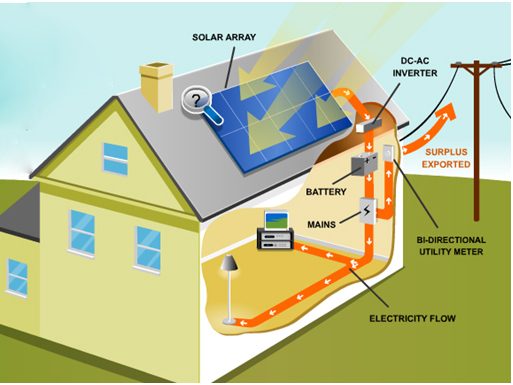
Think of a traditional solar setup as a one-way street: panels generate electricity, you use it immediately, and any surplus gets sent back to the grid. An integrated system, however, adds a detour. Batteries capture that excess power, store it, and release it later—like a personal energy reservoir. This isn’t just a technical tweak; it’s a fundamental shift in how we interact with electricity. Instead of relying on the grid when the sun sets, you become your own mini power station. The concept is simple, but the implications are huge: you gain control over your energy future.
Key Components and How They Work Together
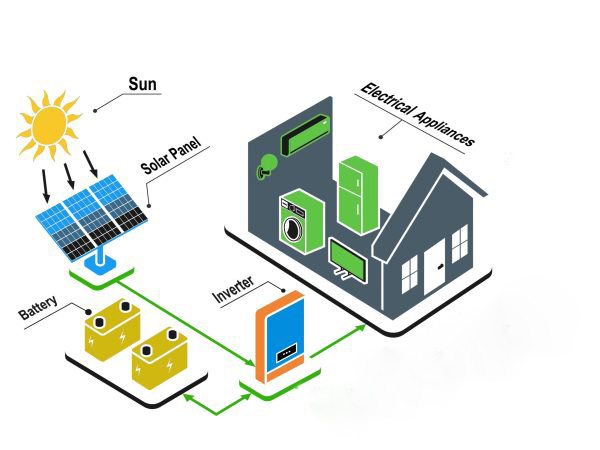
Curious what’s under the hood? The magic happens through three main players. First, your solar panels (PV modules) convert sunlight into direct current (DC) electricity. Next, an inverter transforms that DC into alternating current (AC) for your home, while also acting as the brain of the operation. Finally, the battery—typically lithium-ion—stores excess energy for later use. Here’s the clever part: when your panels produce more than you consume, the extra juice flows into the battery instead of the grid. When the sun dips or a cloud rolls in, the battery seamlessly kicks in, powering your lights and fridge without you lifting a finger. It’s a coordinated dance, and modern systems handle it all automatically.
Benefits of Combining Solar Panels with Battery Storage

Design Considerations and Installation Best Practices
Here’s where things get practical. Sizing your system isn’t guesswork—it’s a balancing act. You’ll need to assess your daily energy usage, typical sunlight hours, and the battery’s capacity. Oversize and you’re wasting money; undersize and you’re back to grid dependence. Placement matters too: panels should face true south (in the Northern Hemisphere) with minimal shading, while batteries need a cool, ventilated spot, like a garage or utility closet. Don’t forget about inverter compatibility—not all batteries pair with all inverters. Hiring a certified installer is non-negotiable; they’ll handle permits, load calculations, and safety protocols. A well-designed system isn’t built overnight, but it pays off in decades of reliable service.
Future Trends and Cost-Effectiveness Analysis
Now, let’s talk numbers and what’s coming down the pipeline. Battery prices have dropped nearly 80% since 2010, making integrated systems more accessible than ever. But is it worth the upfront investment? Let’s compare:
| Scenario | Upfront Cost (USD) | Annual Savings | Payback Period |
|---|---|---|---|
| Solar Only | $15,000 | $1,200 | 12.5 years |
| Solar + Battery | $25,000 | $2,000 | 12.5 years |
| With Tax Credits | $18,000 | $2,000 | 9 years |
As you can see, add batteries and your savings jump, though the payback timeline stays similar thanks to incentives. Looking ahead, solid-state batteries and AI-driven energy management are poised to double storage efficiency. The grid, too, is evolving—think virtual power plants where your battery earns credits by supporting the community. The trend is unmistakable: integrated systems are becoming the gold standard, not a niche luxury.
So, is it time to embrace the integrated approach? For most, the answer is a resounding yes. You’re not just buying hardware; you’re investing in resilience, savings, and a cleaner planet. The sun doesn’t stop shining when you’re asleep—now your energy doesn’t either.