
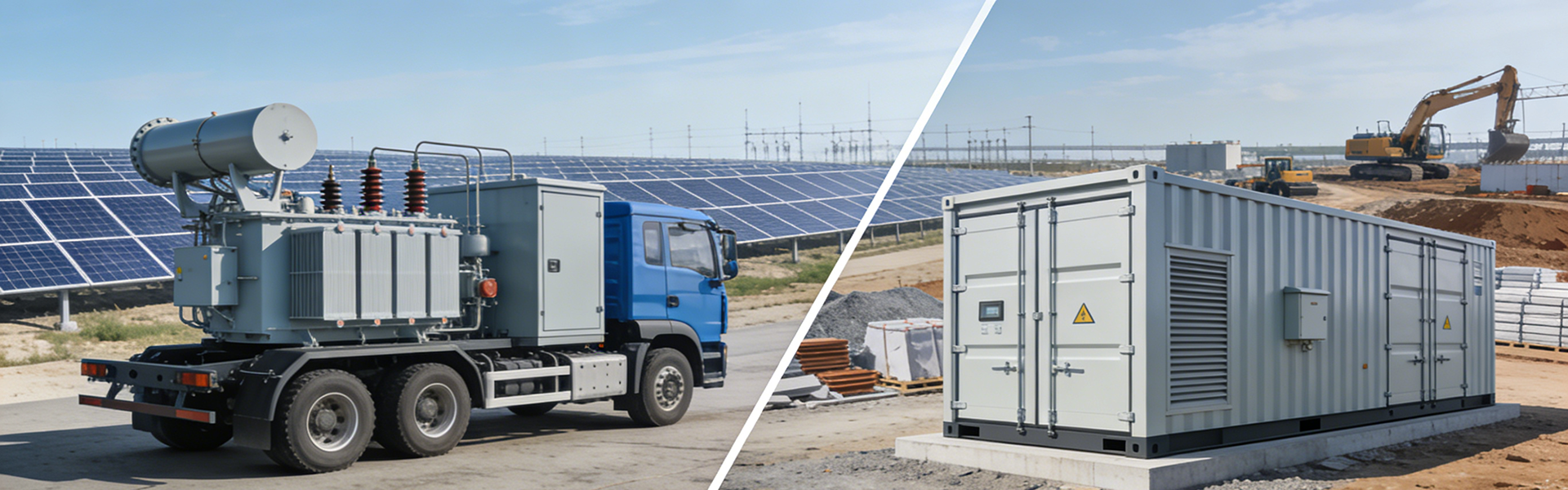
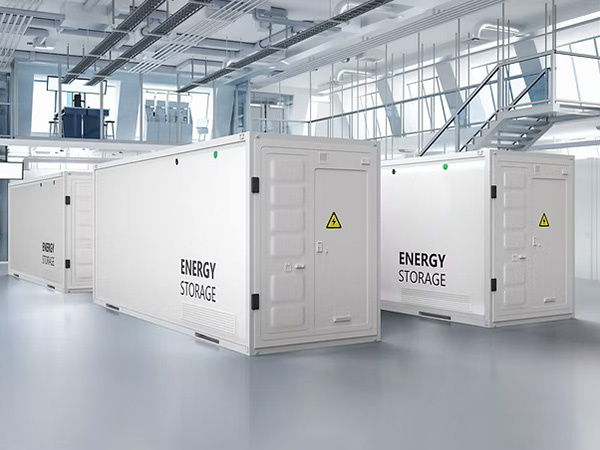
Introduction to PV-Storage-Integrated Containers
Commercial energy consumers face a paradox: solar power is cheapest when demand is lowest, and most needed when the sun is absent. PV Storage Integrated Systerm—modular, prefabricated units combining photovoltaic panels, battery banks, inverters, and energy management systems—resolve this tension by collapsing generation and storage into a single deployable asset.
Key Technical Components and System Architecture
At the core sits a lithium-iron-phosphate (LFP) battery bank, chosen for its thermal stability and 6,000+ cycle life, typically sized between 500 kWh and 2 MWh per container. Above it, bifacial solar panels mounted on the container’s roof and optional side wings capture direct and reflected light, while a hybrid inverter manages DC-to-AC conversion at 98% efficiency. The true differentiator, however, is the control layer: an AI-driven energy management system (EMS) that forecasts load curves, weather patterns, and utility tariff spikes, then decides in real time whether to charge, discharge, or sell back to the grid.
| System Parameter | Typical Range | Impact on Deployment |
|---|---|---|
| Battery Capacity | 500 kWh – 2 MWh | Determines backup duration |
| Solar Input | 100 – 400 kWp | Offsets daytime grid draw |
| Response Time | < 50 ms | Enables grid stability services |
| Operating Temp | -20°C to 50°C | Allows outdoor placement |
| Container Footprint | 10 – 40 ft ISO | Scales with site constraints |
Advantages for Commercial PV-Storage-Integrated Containers
The modular PV Storage Integrated Container model dismantles two traditional barriers: permitting complexity and capital risk. A manufacturer expanding its facility can lease two containers this quarter, then add a third next year without re-engineering electrical infrastructure. Each unit operates independently but communicates via Modbus or CAN protocols, enabling incremental capacity that matches production growth. For cold-storage warehouses operating 24/7, the container provides islanding capability—seamless disconnection from a failing grid, keeping freezers online through multi-hour outages.
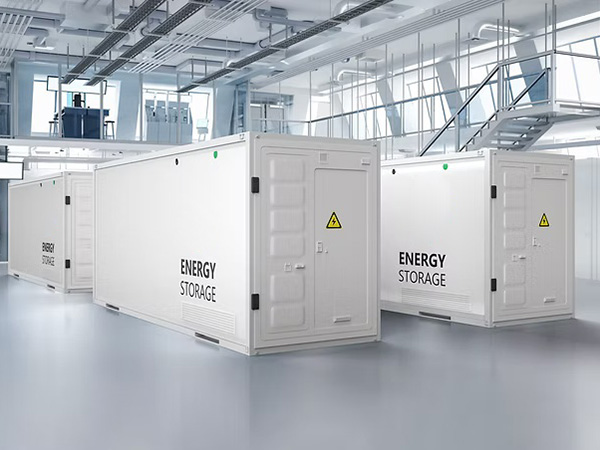
Future Trends and Implementation Considerations
The next generation will likely integrate solid-state batteries and bidirectional EV chargers, turning each container into a micro-grid hub capable of vehicle-to-grid transactions. However, adoption demands vigilance on three fronts: thermal runaway risks require fire-suppression systems beyond standard sprinklers; local utility interconnection rules often lag behind technology, forcing bespoke agreements; and battery degradation accelerates in climates above 40°C unless active liquid cooling is specified. Companies must also weigh logistics—transporting a 20-ton container to remote sites may require crane access and reinforced foundations.