Article Outline
This article explores the design, benefits, and practical considerations of a 40kWh residential solar storage system with a 12kW inverter and dual 20kWh batteries for peak shaving and backup power.
1
System Architecture: 12kW Inverter and 2×20kWh Batteries in Harmony
2
Peak Shaving in Action: Reducing Demand Charges and Grid Reliance
3
Backup Power Assurance: Seamless Transition During Outages
4
Installation, Cost, and ROI: Is This System Right for Your Home?
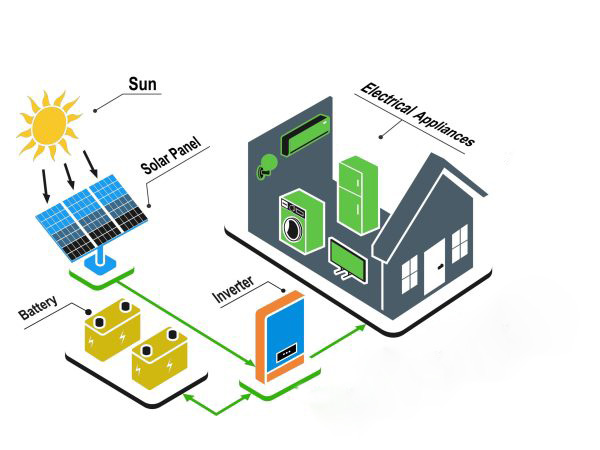
Pairing a 12kW inverter with dual 20kWh battery modules creates a balanced power-to-energy ratio of 0.3, ideal for residential profiles. The 12kW inverter handles heavy simultaneous loads—an EV charger pulling 7.2kW, a heat pump at 3.5kW, and kitchen appliances totaling 4kW—without clipping. Each 20kWh battery operates independently, allowing one unit to charge while the other discharges, effectively managing thermal stress and extending cycle life. This modular approach also means partial failure isn’t catastrophic: if one battery degrades, the system continues running at 50% capacity. The architecture supports up to 200% momentary overload for 10 seconds, accommodating motor starts from AC compressors or well pumps that would trip smaller inverters.
| System Attribute | Single 20kWh Battery | Dual 20kWh Configuration | 40kWh with 12kW Inverter |
|---|
| Peak Discharge | 5kW sustained | 10kW sustained | 12kW sustained |
| Backup Duration | 4–6 hours critical | 8–12 hours critical | 16–20 hours critical |
| Charge Rate | 3kW max | 6kW max | 7.6kW max |
| Redundancy | None | Partial | Full |
Peak Shaving in Action: Reducing Demand Charges and Grid Reliance

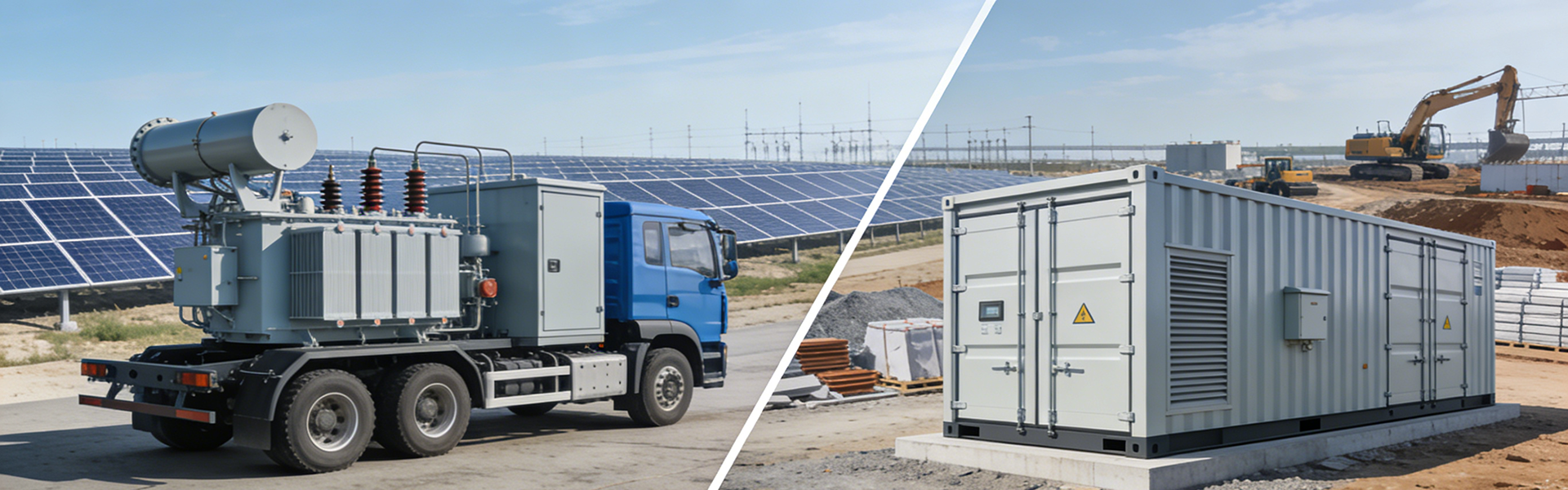
A 40kWh residential solar storage system with dual batteries and a 12kW inverter, ready for peak shaving and backup.
Consider a Californian household with time-of-use rates where peak power costs $0.52/kWh versus $0.23 off-peak. Without storage, the evening cooking and HVAC load window from 4–9 PM draws 8–10kW, costing $4.50–$6.00 daily. With 40kWh, the system charges fully during off-peak hours, then powers the entire home during the five-hour peak window, slashing daily electricity costs to under $1.50. Over a year, that’s savings of $1,000–$1,400 in energy arbitrage alone. For homes on demand-charge tariffs—common in rural areas with solar—the 12kW inverter’s ability to cap grid draw at 2kW eliminates $80–$150 monthly demand fees. The battery also captures excess solar production that would otherwise be exported at $0.03–$0.05/kWh, storing it for $0.30+ value later.
Backup Power Assurance: Seamless Transition During Outages
A residential solar storage 40kWh system provides 16–24 hours of full-home backup, extending to 2–3 days with load management. The 12kW inverter incorporates transfer switching under 10 milliseconds, fast enough to keep computers running and medical devices operational without interruption. Critically, the system supports black start capability—if the battery fully depletes, it can recharge from solar panels once sunlight returns, without grid power. The dual-battery design allows prioritized discharge—one battery powers essential circuits while the other remains reserved, preventing the common failure mode of single-battery systems that leave homeowners stranded after just one night of heavy use.
Frequently Asked Questions (FAQ)
Q: What is the main benefit of a 40kWh residential solar storage system?
A: It handles peak shaving and backup simultaneously, covering the entire evening surge and providing 16-20 hours of backup during outages.
Q: How does the 12kW inverter with dual 20kWh batteries work together?
A: The balanced power-to-energy ratio of 0.3 supports heavy loads without clipping, and batteries can charge/discharge independently for thermal management and redundancy.
Q: What are the backup duration capabilities of this system?
A: It provides 16-20 hours of critical backup, compared to 4-6 hours for a single 20kWh battery, ensuring extended power during outages.
Q: What happens if one battery module fails?
A: The system continues running at 50% capacity, providing partial backup and peak shaving, ensuring not total loss of power.