
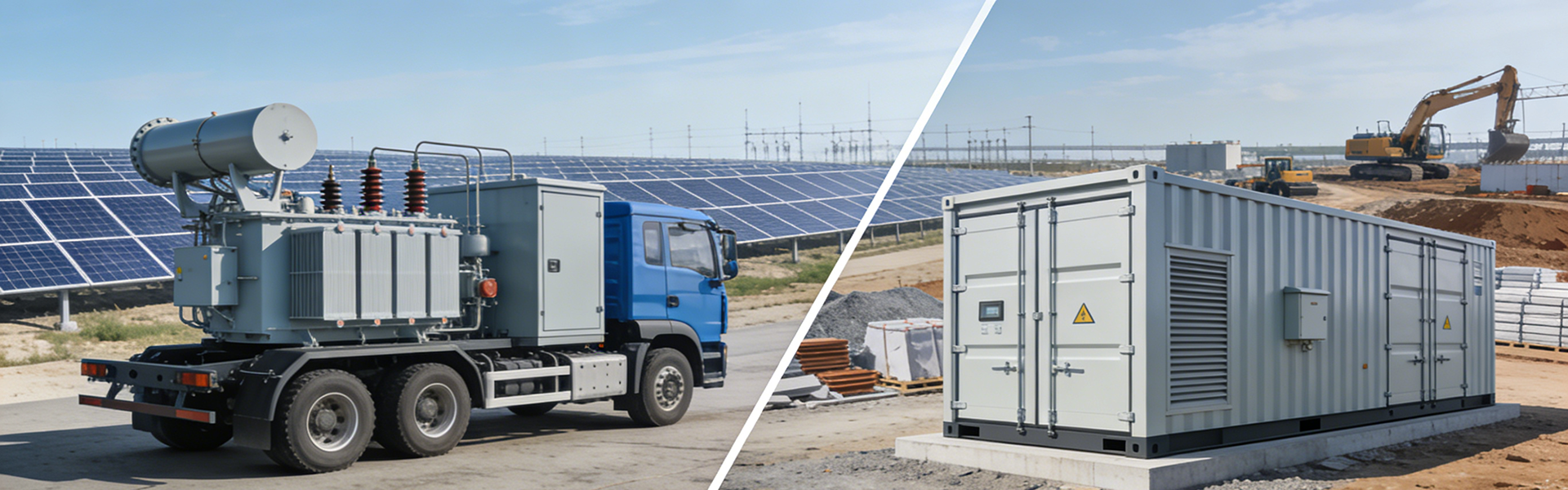
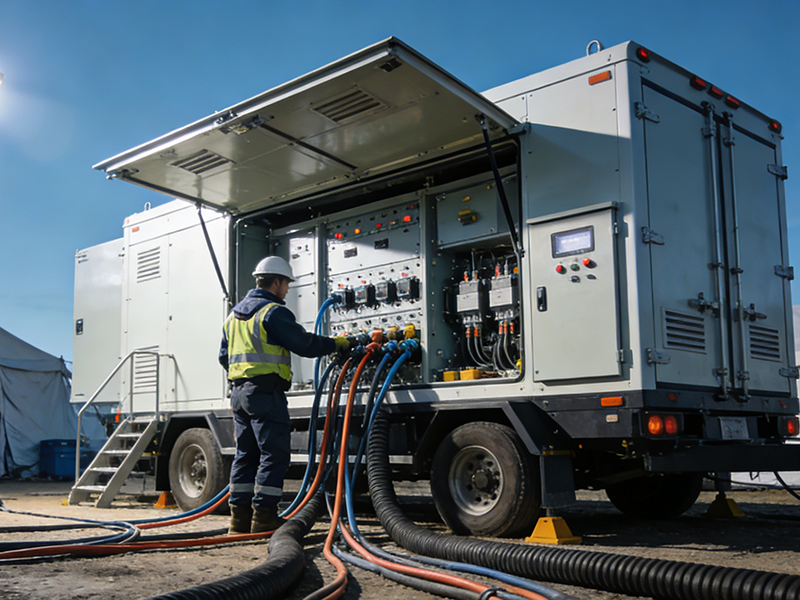
The Need for Mobile Power Solutions in Mining and Utilities
Mining operations and utility networks face a persistent challenge: maintaining uninterrupted power supply across geographically dispersed, often hazardous environments. Fixed substations require extensive civil works, lengthy permitting processes, and substantial capital investment—factors that clash with the dynamic nature of mineral extraction and emergency grid restoration. According to industry data, traditional substation installation can take 12–18 months from planning to commissioning, whereas mobile alternatives compress this timeline to 4–8 weeks.
Explosion-Proof Design and Voltage Flexibility
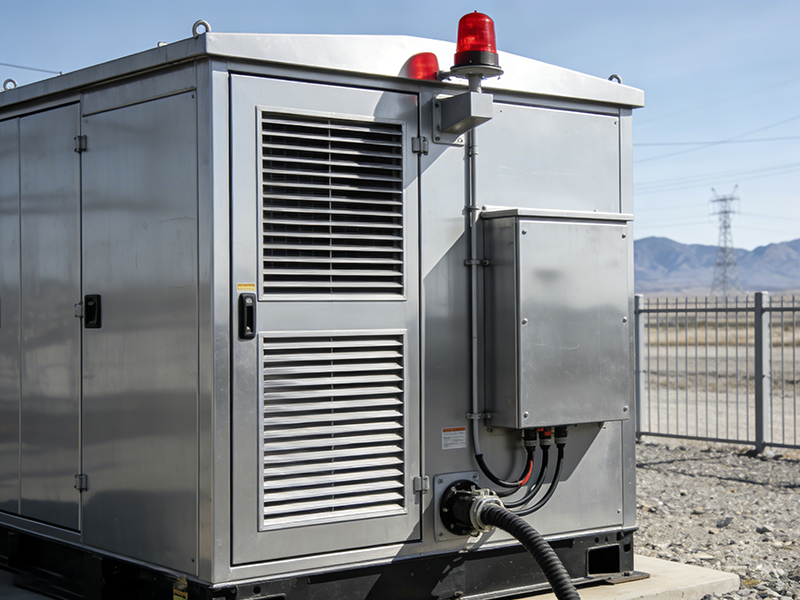
The defining characteristic of mobile substation units is their explosion-proof enclosure, engineered to contain internal arcs and prevent ignition of surrounding flammable gases or coal dust. For mining applications, this compliance with IEC 60079 and ATEX directives is non-negotiable, as methane accumulation poses an ever-present hazard. The voltage range from 11kV to 35kV enables a single platform to serve diverse applications: low-voltage distribution for underground mining equipment, medium-voltage feeds for surface operations, and high-voltage interconnection for utility grid support. This flexibility is achieved through modular transformer configurations, vacuum circuit breakers, and gas-insulated switchgear, all housed within a weatherproof, skid-mounted or trailer-based structure.
Operational Benefits: Mobility, Rapid Deployment, and Cost Efficiency
The economic case for mobile transformer stationsrests on three quantifiable pillars. First, mobility eliminates duplicate infrastructure—a single unit can serve multiple excavation sites sequentially, reducing capital expenditure by an estimated 30–40% compared to permanent installations. Second, rapid deployment minimizes revenue loss during outages; utilities report that mobile substations restore service in hours rather than days, with each hour of avoided downtime translating to thousands of dollars in saved penalties and lost productivity. Third, lifecycle cost analysis reveals that mobile units retain higher residual value, as they can be redeployed or sold after project completion, unlike fixed assets that become site-specific sunk costs.
Factory-Direct Supply: Quality Assurance and Lead Time Advantages
Purchasing directly from the manufacturer yields substantive engineering and commercial benefits. Factory-direct channels ensure full traceability of components—from transformer core steel to bushing insulators—and allow buyers to witness routine and type tests before shipment. Customization options expand significantly: terminal configurations can match existing grid standards, cooling systems can be optimized for tropical or arctic climates, and control systems can integrate with SCADA protocols specific to the operator’s network. Lead times also shrink by 6–10 weeks compared to distributor-mediated purchases, because engineering changes are communicated directly to design teams, eliminating translation errors. Moreover, direct warranties typically extend to 24 months with factory-trained technicians available for commissioning support, a level of accountability rarely matched by third-party resellers.