
PV-energy-storage-integraged-system
OEM Solar PV System Battery Storage Transparent Sourcing

OEM Solar PV System Battery Storage Transparent Sourcing

📌 Description

We offer customized solar energy storage systems, with transparent OEM sourcing and production lines, ensuring product quality, safety, and long-term reliability.

Updatetime : 2026-09-12

Author : Admin

Hits : 1

📌 Product Introduction

Article Outline

This article explains how OEM partnerships for solar PV and battery storage systems can ensure quality and transparency through rigorous sourcing and production line audits.

Why OEM Sourcing Matters for Solar PV and Battery Systems
Key Audit Criteria for Component Sourcing and Supplier Transparency
Production Line Audits: What to Check for Quality and Compliance

Why OEM Sourcing Matters for Solar PV and Battery Systems

Solar and battery storage systerm are long-term assets. A 25-year panel warranty means little if the OEM quietly switches from monocrystalline silicon to lower-grade polycrystalline mid-production. Similarly, a lithium iron phosphate battery’s safety depends on cell consistency. When you source from an OEM without oversight, you accept blind faith. But when you demand transparent sourcing, you transform the OEM from a black box into a partner. I recall a client in Germany who rejected three suppliers before finding one willing to disclose its cell supplier’s name and batch numbers. That supplier now ships 80% of their residential systems.
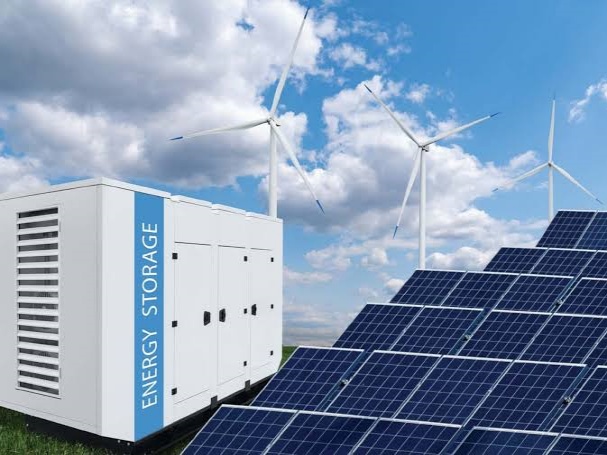
Solar PV and Battery Systems

Key Audit Criteria for Component Sourcing and Supplier Transparency

Auditing sourcing means asking uncomfortable questions. Are the battery cells purchased from a Tier-1 manufacturer like CATL or EVE, or from a secondary broker? Request a full bill of materials (BOM) and cross-check it against certifications like IEC 62619 for batteries and IEC 61215 for PV modules. Build a checklist that includes:

Audit ItemWhat to VerifyRed Flag
Cell supplierOriginal purchase ordersVague or generic names
Panel glass thickness3.2mm tempered specThinner glass on samples
Inverter brandManufacturer codeUnbranded or mismatched logo
BMS (battery management system)Communication protocolClosed or proprietary format
Packaging & logisticsMoisture barrier qualityCardboard-only boxes for ocean freight

Production Line Audits: What to Check for Quality and Compliance

A sourcing audit reveals documents; a production line audit reveals reality. Stand at the soldering station and count how many joints are reworked per hour. Check the torque settings on the bolt that secures the battery rack.

Frequently Asked Questions (FAQ)

Q: Why is transparent sourcing important for solar PV and battery storage systems?
A: Transparent sourcing ensures OEMs use specified high-grade materials like Grade A cells and Tier-1 suppliers, preventing mid-production switches that compromise performance, safety, and long-term warranties.
Q: What are key audit criteria for component sourcing in solar and battery systems?
A: Key criteria include verifying cell suppliers via purchase orders, checking panel glass thickness (3.2mm), confirming inverter authenticity, ensuring BMS communication protocols, and inspecting packaging for moisture barriers.
Q: What should you check during a production line audit for quality?
A: Check soldering rework rates, torque calibration frequency, ESD wrist strap usage, and ensure batteries undergo a 24-hour aging test to avoid high failure rates and safety hazards.
Q: How can you verify an OEM's claims about component quality?
A: Request a full bill of materials (BOM) and cross-check against certifications like IEC 62619 for batteries and IEC 61215 for PV modules, and conduct on-site audits to visually confirm processes.