
Why 40kWh Storage with 12kW Inverter Fit Modern Home Energy Needs?
Ever found yourself staring at your electricity bill and wondering, *where did all that power actually go*? Or maybe you’ve watched your solar panels spin the meter backwards on sunny afternoons, only to buy expensive grid power at night. That’s the classic solar owner’s dilemma—and the reason why a 40kWh LiFePO4 battery paired with a 12kW hybrid inverter is suddenly the hottest topic in residential energy.
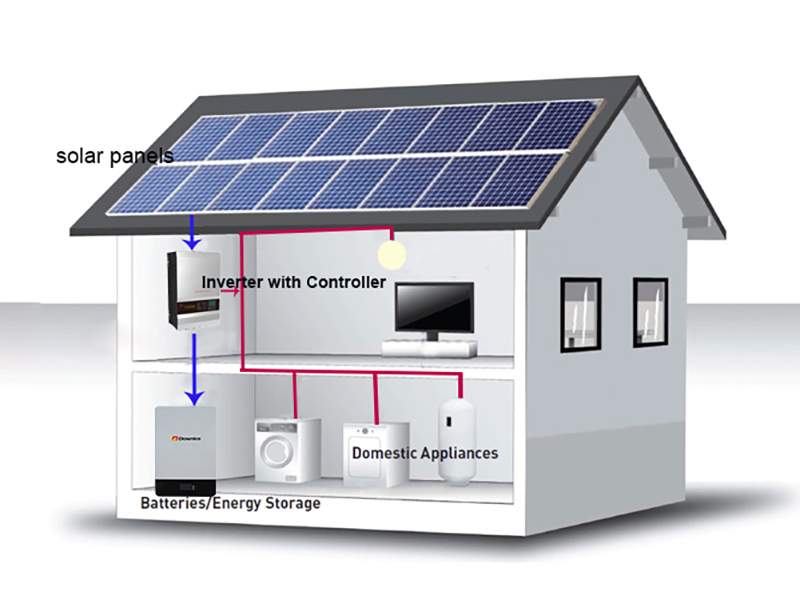
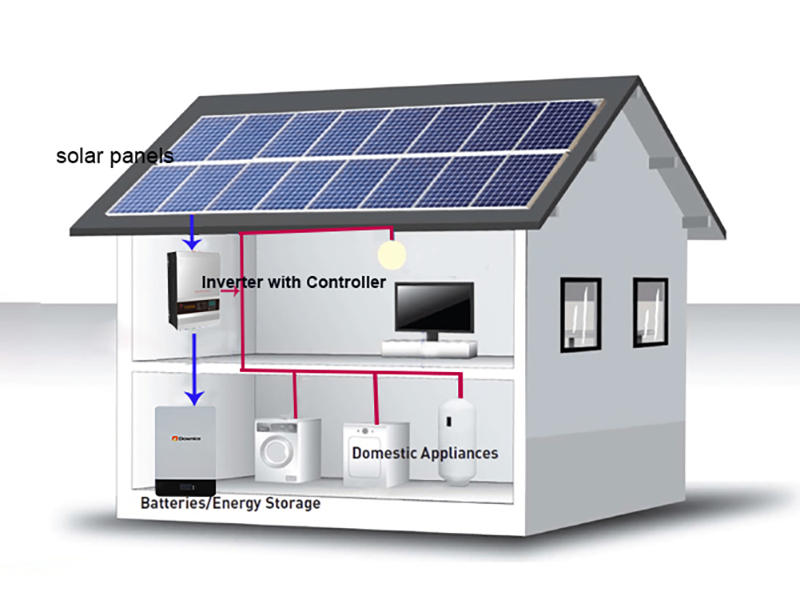
Let’s start with a simple question: is 40kWh too much? For an average American home using about 30kWh per day, that’s over a full day of backup—plus a comfortable buffer for cloudy stretches. But here’s the twist: the number only makes sense when you pair it with the right inverter. A 12kW hybrid unit isn’t just a converter; it’s the brain of your home microgrid. It decides when to charge from solar, when to discharge to your appliances, and when to sell back to the utility. Think of it as a traffic cop for electrons.
The functionality of LiFePO4 Battery Chemistry and Hybrid Inverter
Now, why LiFePO4 specifically? Because lithium iron phosphate chemistry offers something homeowners actually care about: longevity without drama. While older NMC batteries degrade after a few thousand cycles, LiFePO4 typically handles 6,000-8,000 cycles at 80% depth of discharge. That’s roughly 15-20 years of daily cycling. Plus, it’s thermally stable—no scary thermal runaway stories. The hybrid inverter, meanwhile, handles both grid-tied and off-grid modes seamlessly. If the grid goes down, it switches to island mode in under 20 milliseconds, fast enough to keep your refrigerator humming.
Design and Sizing Residential PV Energy Storage: Matching PV Array, Battery, and Inverter
Sizing the system is where most DIY enthusiasts stumble. You can’t just bolt any battery to any inverter. Your PV array needs to produce enough surplus to charge that 40kWh bank. A rule of thumb? You’ll want at least 8-10kW of solar panels, ideally facing south, generating 35-45kWh daily in good sun. Match that to the inverter’s 12kW continuous output, and you’ve got a balanced system. Here’s a quick comparison to help you visualize the sweet spot:
| Configuration | Daily Solar Yield | Backup Duration | Typical Home Size |
|---|---|---|---|
| 6kW PV + 20kWh | 24-30kWh | 12-16 hours | Small (2-3 BR) |
| 8kW PV + 30kWh | 32-40kWh | 20-24 hours | Medium (3-4 BR) |
| 10kW PV + 40kWh | 40-50kWh | 30+ hours | Large (4-5 BR) |
Notice the pattern? The 40kWh system isn’t for everyone—it’s for homes with electric vehicles, heat pumps, or just a desire to ignore grid price spikes entirely.
Installation, Safety, and Maintenance Best Practices
Installation isn’t a weekend DIY project, even for handy folks. You’ll need a licensed electrician to handle the AC coupling, ensure proper grounding, and verify your local code compliance. Safety first: the battery cabinet must be installed on a non-combustible surface, with at least 3 feet of clearance from windows and doors. And while LiFePO4 is forgiving, you still need a Battery Management System (BMS) that monitors cell temperatures and balances voltages. Maintenance? Mostly monitoring—checking the app monthly for unusual discharge patterns and keeping air vents dust-free.
Cost, Payback, and Environmental
So what about the financials? Let’s talk numbers honestly. A turnkey 40kWh system with a 12kW hybrid inverter typically runs $15,000-$22,000 before incentives. Federal tax credits (30% in the US) and net metering policies can shave that down significantly. Your payback period? If your utility charges $0.30/kWh at peak and you shift 20kWh daily away from that rate, you’re saving $6/day—roughly $2,200/year. That puts payback around 6-8 years. But the environmental payoff starts immediately: each kWh stored and used later avoids roughly 0.7 lbs of CO2, so over 20 years, you’re talking about 10+ tons of emissions avoided.
Is it worth it? That depends entirely on your energy habits. If you’re home during the day, a smaller system might suffice. But if you want true energy independence—running your AC through summer nights and your EV through weekdays—this pairing isn’t just practical. It’s liberating. After all, what’s better than making your own power, storing it on your terms, and telling the grid, “No thanks, I’ve got this”?