
Understanding Your Options: Off-Grid, Hybrid, and Grid-Tied Systems
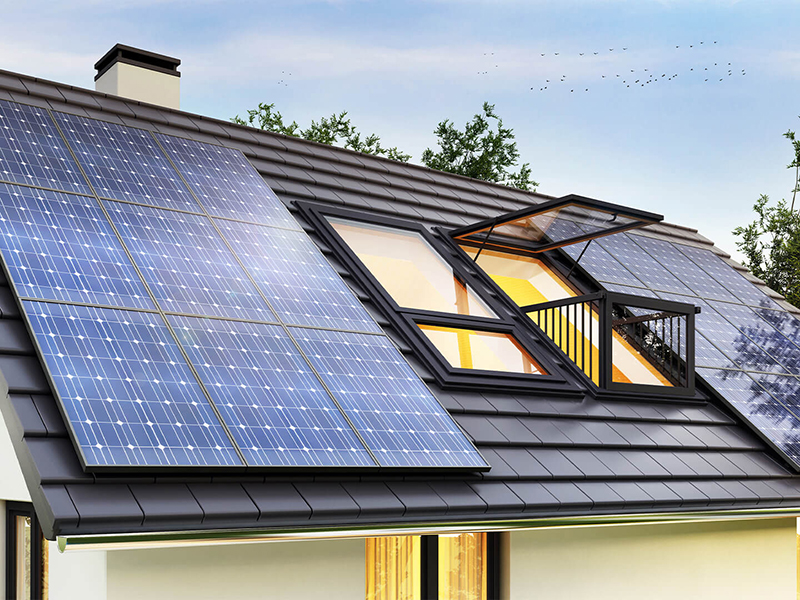
Installed a grid-tied system: Your rooftop panels feed excess power back to the utility, spinning the meter backward and earning your credits on sunny afternoons. But when the grid fails, your system shuts down automatically—a safety feature that leaves your home dark during outages.
Installed a off-grid system: Your cabin relies on a massive battery bank and a backup diesel generator, completely disconnected from utility lines. It offers total freedom but demands careful energy budgeting, especially during overcast weeks.
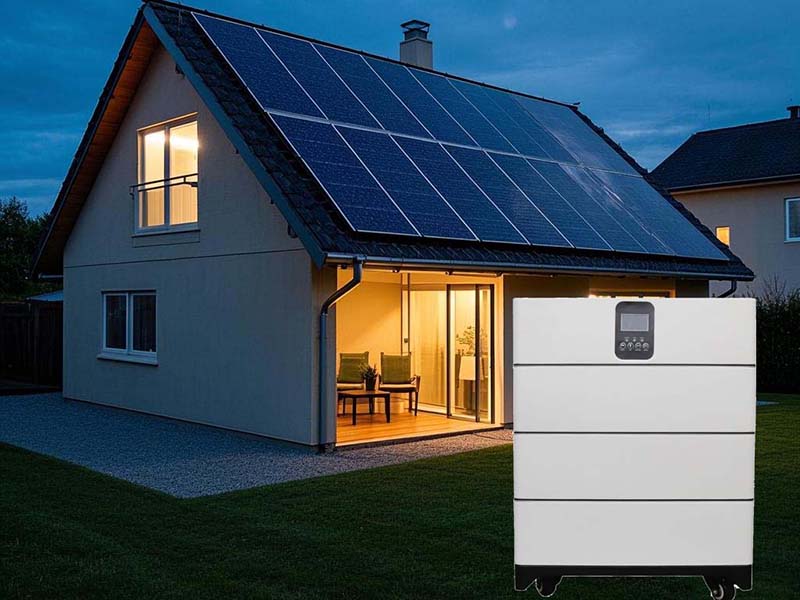
Installed a hybrid system: Your inverter intelligently switches between solar, battery, and grid power, optimizing for cost and reliability. You can sell surplus energy during peak hours and draw from the grid only when your batteries run low. This flexibility suited your unpredictable mountain weather and your desire for resilience without sacrificing convenience.
How They Work Together
Every system shares three essential elements: solar panels that capture sunlight, an inverter that converts DC to usable AC power, and batteries that store energy for later use. The critical difference lies in the inverter’s intelligence. Grid-tied systems use string inverters or microinverters that sync with utility frequency. Off-grid systems require hybrid inverters with charge controllers that manage battery depth-of-discharge. Modern hybrid units combine these functions, monitoring weather forecasts and electricity prices to decide automatically whether to charge, discharge, or sell.
Benefits of Each System for Homeowners
| System Type | Grid Dependence | Backup Power | Energy Savings | Installation Cost |
|---|---|---|---|---|
| Grid-Tied | High | None | Moderate | Low |
| Hybrid | Partial | Essential | High | Medium |
| Off-Grid | None | Full | Highest | High |
Why Buying Direct from the Factory Saves Money and Ensures Quality
Purchasing from a factory-direct manufacturer eliminated two layers of middlemen: local distributors and retail installers who typically markup equipment by 30-50%. By working directly with engineers, you customized your battery capacity and panel wattage without paying for unnecessary premium branding. The factory provided detailed wiring diagrams and remote diagnostics support—something local dealers rarely offered. Moreover, direct sourcing meant your equipment came with complete documentation of component origins and testing certifications, ensuring compatibility between the China-made inverter and Japanese battery cells.
Steps to Choose and Install Your Ideal Home Solar & Energy Storage
Start by calculating your average daily consumption from utility bills, then determine your backup requirements during outages. Next, assess your roof’s orientation and shading using free solar mapping tools. Contact three factories directly, requesting load calculations and system proposals. Compare their inverter efficiency ratings, battery cycle life, and warranty terms carefully.
For installation, hybrid systems can often plug into existing electrical panels with minimal rewiring. Off-grid setups require more extensive work—sizing wires for higher DC currents and ensuring proper grounding away from the main grid connection point. Regardless of choice, schedule a licensed electrician for final connections and local permit inspections.