
The Hidden Cost of Middlemen in PV and Storage Systerm
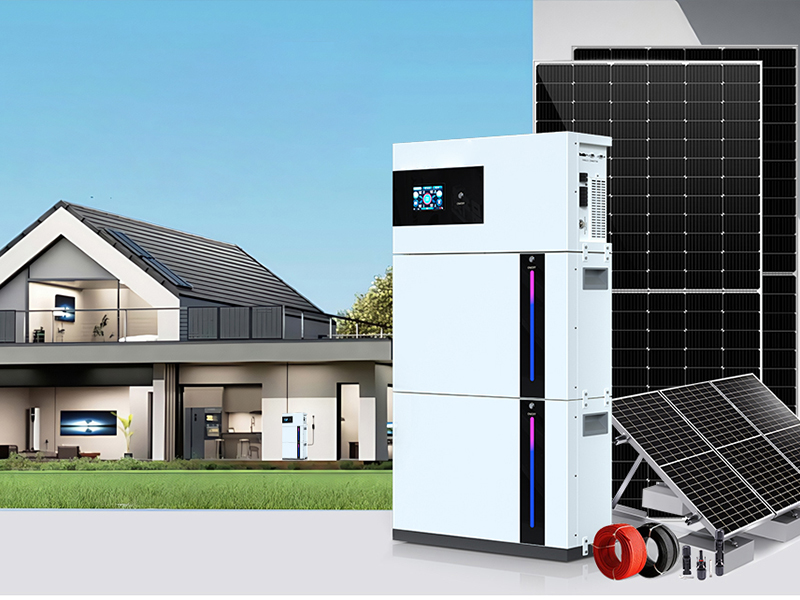
A typical residential solar battery storage systerm travels from the OEM factory to a regional distributor, then to a local wholesaler, and finally to an installer who marks it up again. Each hand-off adds 10–15% to the price. By the time you see the quote, you're paying 30–50% more than the factory door price. Worse, those middlemen often push older inventory to clear their warehouses, meaning you might pay a premium for technology that's already two generations behind.
Why OEM Direct Cuts 30–50% Without Sacrificing Quality
When you finally contacted an OEM manufacturer of home solar battery storage directly, the difference was stark. We didn't have a flashy showroom or a sales team on commission—we had engineers who could explain exactly how our lithium iron phosphate cells handled thermal runaway. Buying direct means you're paying for materials, labor, and R&D, not for someone's marketing budget or regional warehouse lease.
Key Features to Look for in an OEM Home Solar Battery Storage
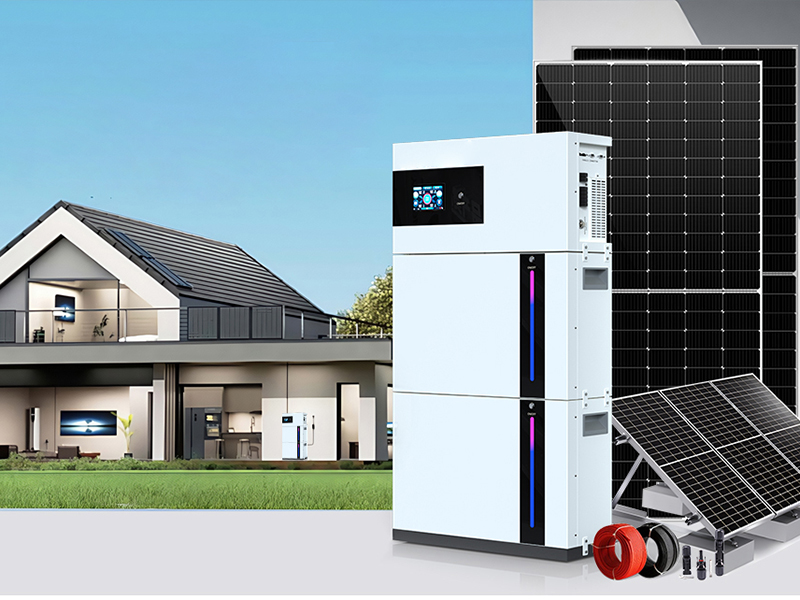
Not all direct-from-factory deals are created equal, though. You need to scrutinize three things above all. First, the cycle life rating—anything below 6,000 cycles isn't worth the investment. Second, the depth of discharge (DoD); a quality OEM battery should offer at least 90% DoD without degrading. Third, ask about their communication protocol. Some factories offer open-source BMS compatibility, which saves you from being locked into a proprietary app. Here's a comparison that helped me decide:
| Feature | Budget OEM | Mid-Tier OEM | Premium OEM |
|---|---|---|---|
| Cycle Life | 4,000 | 6,500 | 10,000+ |
| DoD | 80% | 90% | 95% |
| Warranty | 5 years | 10 years | 15 years |
| Price per kWh | $180 | $250 | $400 |
How to Start Your Direct Purchase Journey
Start by searching for manufacturers with UL or IEC certifications listed on their websites, not just pretty product shots. Request a sample test report and ask for a video call with their engineering team. Be wary of any factory that can't explain their cell sourcing. The best OEMs will happily walk you through their quality control process because they have nothing to hide. Finally, consider shipping costs and import duties—sometimes buying two units at once cuts the per-unit freight cost by 40%.