
Understanding Solar Battery Storage: How It Works
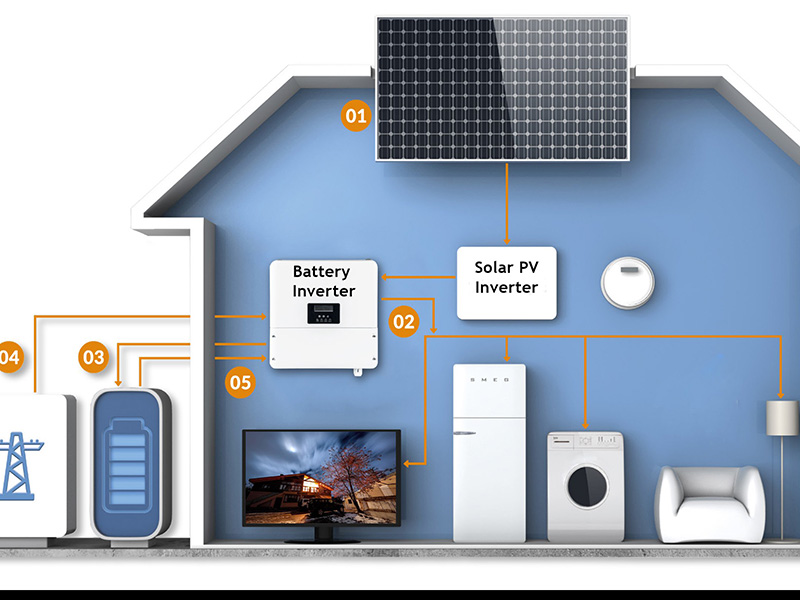
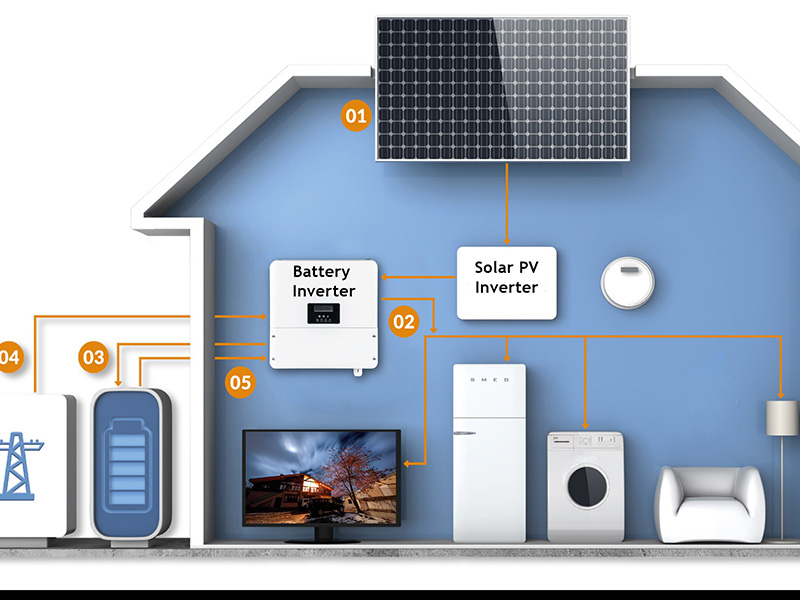
Solar panels alone only generate electricity when the sun shines. A battery storage system changes that equation entirely. The core mechanism is deceptively simple: during peak sunlight hours, your panels produce more electricity than your home consumes. That surplus energy, instead of being exported to the grid for pennies, gets routed into a lithium-ion or other chemistry battery pack. Later, when solar production drops to zero at night or during a storm, an inverter converts the stored DC power back into usable AC electricity. This shift transforms a solar array from a daytime-only generator into a 24/7 power source.
Key Benefits: Energy Independence, Cost Savings, and Resilience
The most compelling argument for adding batteries is true energy independence. Without storage, you remain tethered to the utility grid—if the grid fails, your solar panels shut off too (a safety feature called anti-islanding). With a battery, your home becomes a self-contained microgrid, keeping lights on, refrigerators running, and medical devices operational during outages. This resilience is not theoretical; after Hurricane Maria, Puerto Rican homes with solar-plus-storage maintained power while grid-dependent neighbors waited months for repairs.
Choosing the Right Battery: Types, Capacity, and Lifespan
Not all batteries are created equal. Lithium-ion dominates the residential market for its high energy density and 90–95% round-trip efficiency. Lithium iron phosphate (LFP) is emerging as the safer, longer-lasting variant, offering 6,000–10,000 cycles versus standard NMC’s 3,000–5,000. Lead-acid, while cheaper upfront, suffers from low depth-of-discharge and requires regular maintenance—a poor fit for modern homes. Capacity sizing is critical: a typical U.S. home consumes 30 kWh daily, but you rarely need full backup. Most experts recommend sizing for overnight loads only (5–10 kWh) unless you live in hurricane-prone zones.
Installation and Integration: What to Expect
A professional installation takes one to two days but requires careful planning. Your existing inverter may need replacement—AC-coupled systems (add-on batteries) are simpler, but DC-coupled configurations offer 5–10% higher efficiency by avoiding double conversion. Critical pre-installation steps include a load analysis to size the battery, an electrical panel upgrade if your home predates 2000, and local permit approval. Expect the total project to run $15,000–$25,000 after tax credits (the federal ITC currently covers 30%). Beware of installers who quote without assessing your actual consumption patterns—a reputable contractor will insist on reviewing 12 months of utility bills.
Future Trends and Maintenance Tips for Long-Term Performance
The market is shifting toward virtual power plants (VPPs), where utilities pay homeowners to dispatch stored energy during grid stress. Tesla, Sunrun, and Ford already offer programs that can offset battery costs by $500–$1,500 annually. On the hardware front, solid-state batteries promise double the energy density by 2027, but early adopters shouldn’t wait—current LFP systems will likely outlast your roof warranty. Maintenance is refreshingly minimal: keep the battery at 15–30°C, avoid deep discharges below 10%, and update firmware quarterly. Most manufacturers guarantee 10 years or 70% capacity retention. The real challenge is obsolescence—grid interconnection standards evolve, so select a system with modular design to swap batteries without replacing the entire unit. The bottom line: batteries are no longer an accessory but the linchpin of a modern, self-reliant home energy strategy.