
Why Home Battery Storage Matters
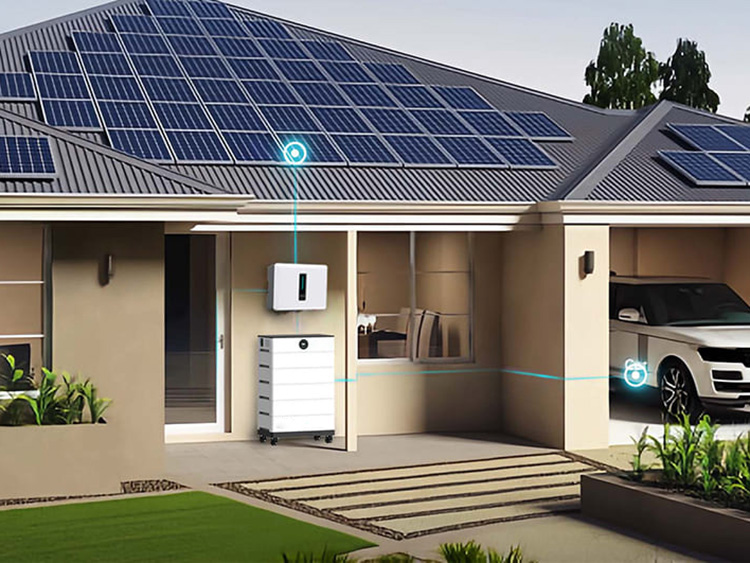
The conventional grid is a fragile lifeline. A single storm can sever it, plunging homes into darkness for days. Residential battery storage transforms solar panels from a daytime-only energy source into a true 24/7 power station. Without a battery, a grid-tied solar array shuts down during an outage for safety reasons, leaving homeowners just as powerless as their neighbors. A battery changes that equation, enabling seamless transition to backup power within milliseconds. Beyond emergency resilience, batteries enable time-of-use arbitrage—charging when electricity is cheap and discharging during peak rate periods. This isn't merely a convenience; it's a strategic hedge against increasingly volatile energy prices and grid unreliability.
Key Components of a Solar Battery System
A functional home backup system is more than a battery bolted to a wall. It requires a carefully orchestrated assembly. The inverter is the critical bridge, converting DC power from solar panels and battery into usable AC power for the home. A battery management system (BMS) monitors cell voltage, temperature, and state of charge, preventing overcharging and deep discharge—the two primary causes of premature battery failure. A smart energy controller or gateway manages the flow between solar, battery, grid, and home loads, executing the logic for backup mode and self-consumption optimization. Finally, a critical loads panel isolates essential circuits—refrigerator, medical devices, well pump—to prioritize battery capacity during extended outages. Each component must communicate effectively; compatibility is non-negotiable.
Choosing the Right Battery Technology
Not all batteries are created equal, and the choice carries significant long-term consequences. Lithium iron phosphate (LFP) has emerged as the industry standard for safety and cycle life, offering 6,000-10,000 cycles and exceptional thermal stability. Nickel manganese cobalt (NMC) batteries provide higher energy density in a smaller footprint but degrade faster and carry slightly higher fire risk. Lead-acid remains a budget option but suffers from low depth-of-discharge (DoD) limits—typically 50% versus 90%+ for lithium—and requires regular maintenance. Consider your priorities carefully:
| Technology | Cycle Life | Depth of Discharge | Typical Cost/kWh | Maintenance |
|---|---|---|---|---|
| LFP Lithium | 6,000+ | 95% | $900-$1,200 | Minimal |
| NMC Lithium | 4,000-5,000 | 90% | $800-$1,000 | Minimal |
| Lead-Acid (AGM) | 500-1,000 | 50% | $200-$300 | Moderate |
| Flow Battery | 10,000+ | 100% | $1,500+ | Moderate |
The LFP premium pays for itself through longevity and usable capacity. Cheaper upfront cost often translates to higher cost per cycle over the system's lifetime.
Installation and Maintenance Considerations
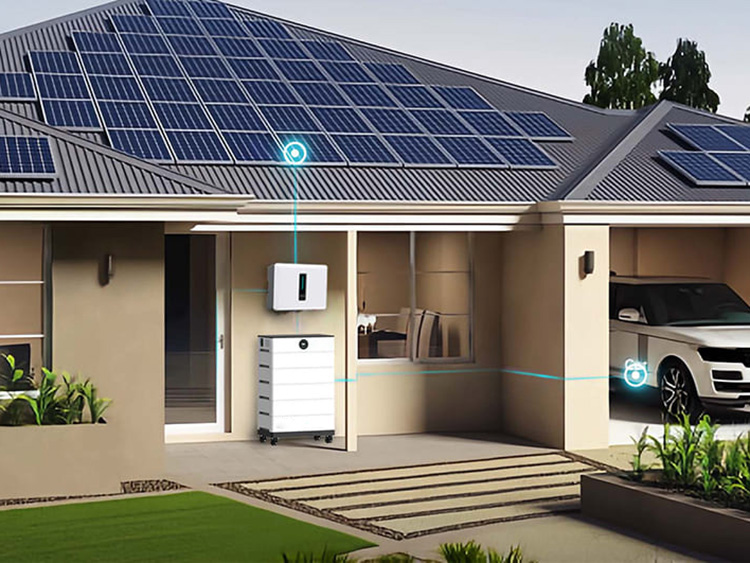
Site assessment is paramount—batteries are heavy, heat-sensitive, and require proper ventilation. Indoor installations demand fire-rated enclosures and adherence to local building codes; outdoor units need weatherproofing and shade to prevent thermal derating. The electrical panel may require an upgrade to handle bidirectional power flow and meet interconnection standards. Professional installation is non-negotiable due to high-voltage DC risks and complex permit requirements. Maintenance is refreshingly minimal compared to generators. Most systems require annual firmware updates and a visual inspection for corrosion or swelling, but there is no oil to change or fuel to store. However, ignore environmental factors at your peril: extreme temperatures can reduce battery efficiency by up to 30% in winter and accelerate degradation in summer heat.
Cost, Incentives, and Return on Investment
The sticker price remains the primary barrier—a complete system with installation typically runs $12,000 to $20,000. Yet this figure demands context. The federal Investment Tax Credit (30% through 2032) applies to standalone batteries, and many states offer additional rebates or performance-based incentives. More compelling is the math on avoided outages: a single day of lost productivity, spoiled food, or damage from a frozen pipe can cost hundreds of dollars. When paired with time-of-use rates, annual savings can reach $1,500-$2,500 in high-cost regions, pushing payback to 7-10 years without considering resilience value. Financially, treat the battery as insurance with a dividend—it protects your lifestyle while quietly reducing your utility bill. The question isn't whether you can afford it, but whether you can afford the alternative.