
Understanding Off-Grid Solar Battery Banks
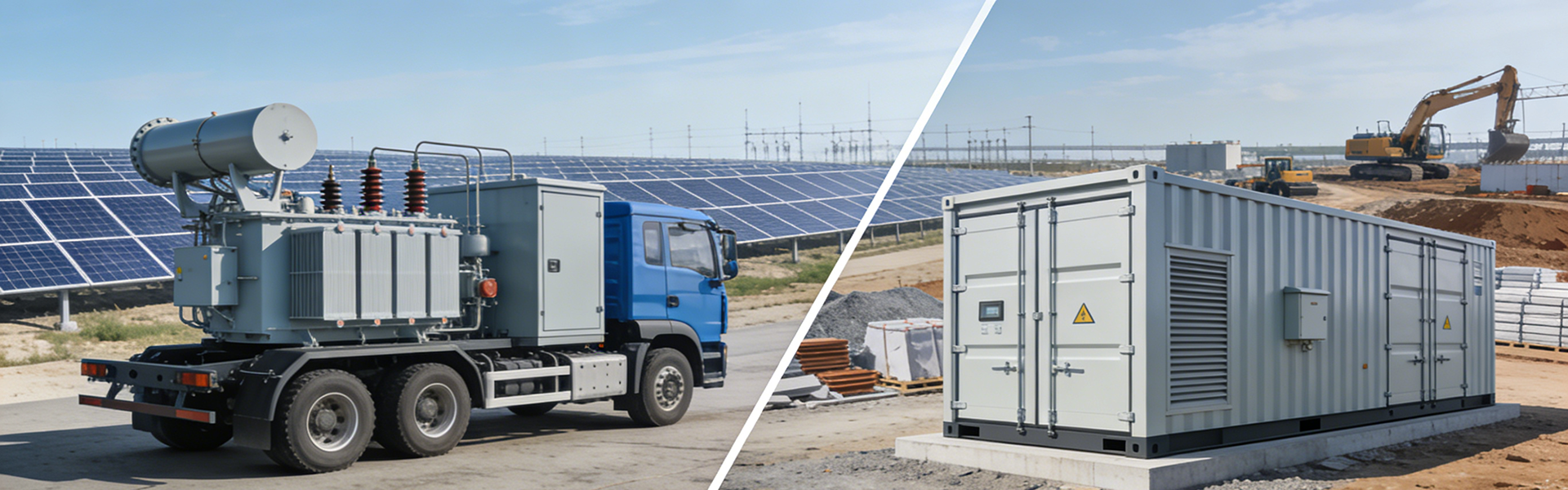
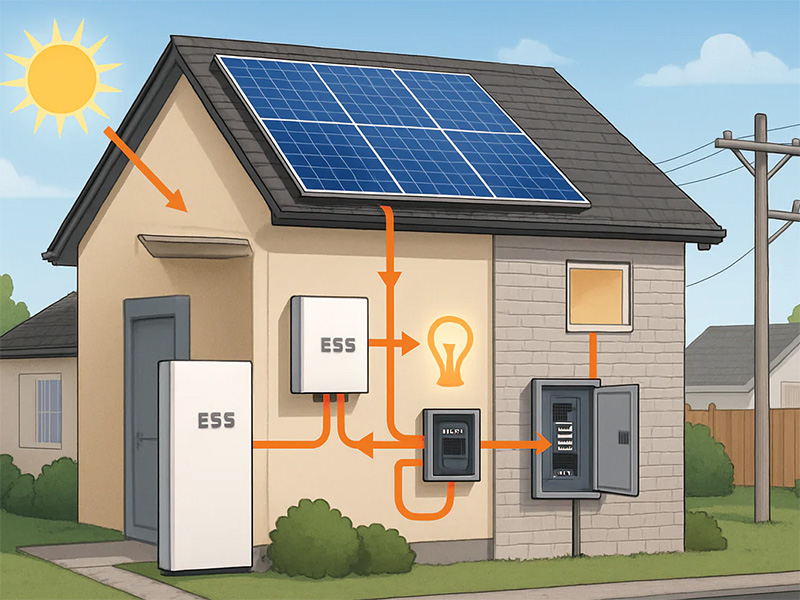
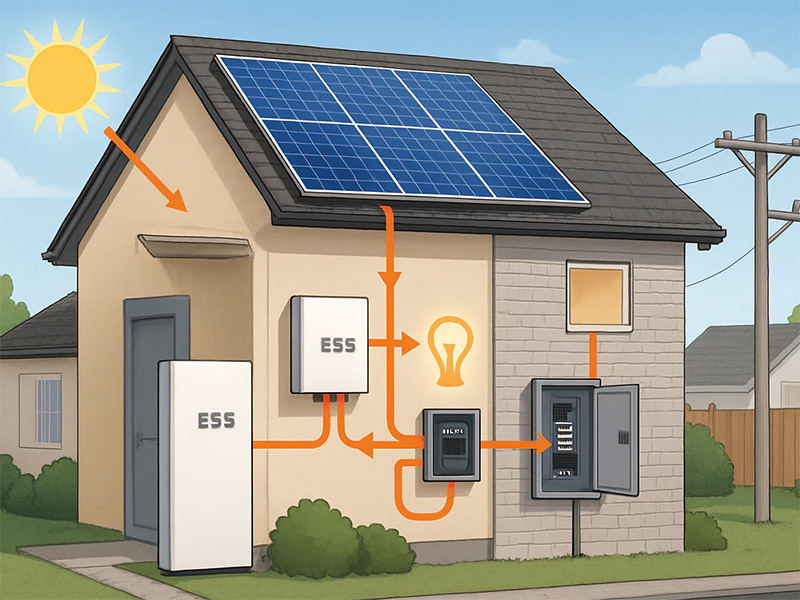
The first breath of morning arrives not with the hum of a distant power plant, but with the silent, steady pulse of stored sunlight. An off-grid solar battery bank is more than a collection of lithium-ion or lead-acid cells; it is the heart of a self-sustaining ecosystem. When the sun dips below the ridgeline, these batteries transform the day’s captured photons into a dependable night-time current, powering refrigerators, laptops, and the quiet glow of a reading lamp. The system’s elegance lies in its autonomy—no utility poles, no monthly invoices, only the rhythmic charge and discharge that mirrors nature’s own cycles.
Key Components and Sizing Considerations
Building this sanctuary requires precision. The core components—solar panels, charge controller, inverter, and the battery bank itself—must be chosen with deliberate care. The charge controller, whether PWM or MPPT, acts as the gatekeeper, regulating voltage to prevent overcharging. The inverter converts stored DC power into the AC current your appliances crave. Yet, the bank’s capacity demands the most rigorous thought: a family using 30 kWh daily in a cloudy climate needs a vastly different array than a minimalist cabin consuming 5 kWh under a blazing sun.
| System Component | Typical Efficiency | Lifespan (Years) | Relative Cost |
|---|---|---|---|
| Lithium-Ion Battery | 95% | 10–15 | High |
| Lead-Acid (Flooded) | 80% | 3–7 | Low |
| MPPT Charge Controller | 98% | 10–15 | Moderate |
| Pure Sine Wave Inverter | 90% | 8–12 | Moderate |
Sizing also demands a dance with depth of discharge (DoD). Draining a lithium battery to 80% DoD is acceptable, but doing the same to lead-acid shrinks its life dramatically. A rule of thumb: multiply your daily usage by three to five days of autonomy, then factor in your region’s solar insolation. The result is your bank’s minimum kilowatt-hour rating—a figure that should feel generous, yet never wasteful.
Installation and Safety Best Practices
Maintenance, Monitoring, and Troubleshooting
Off-grid living rewards the vigilant. Weekly, check electrolyte levels in flooded lead-acid cells, topping up with distilled water—never tap. Monthly, use a thermal camera to scan for hot spots on connections; a warm terminal signals resistance and imminent failure. Monitoring systems like Victron’s Cerbo GX or a simple shunt-based battery monitor reveal real-time state of charge (SoC) via smartphone, turning your bank into a transparent companion. When troubleshooting, begin with the simplest symptom: a sudden voltage drop often means a loose lug, while a slow capacity fade points to sulfation or cell imbalance. Keep a log—dates, voltages, and maintenance actions—to spot degradation patterns before they escalate.
Cost Analysis and Return on Investment
The financial ledger tells a story of patience. A mid-sized bank—10 kWh lithium with 5 kW inverter—costs roughly $8,000 to $15,000 installed. Compare that to $200 monthly utility bills over 20 years ($48,000), and the savings become tangible after year seven. However, hidden costs lurk: replacement batteries (lead-acid every 4 years), inverter repairs, and the occasional fuse or cable. Yet, the true ROI extends beyond dollars—energy independence insulates you from grid failures, rate hikes, and geopolitical tremors. After a decade, your bank has effectively paid you a dividend in resilience, one sunny charge at a time.