
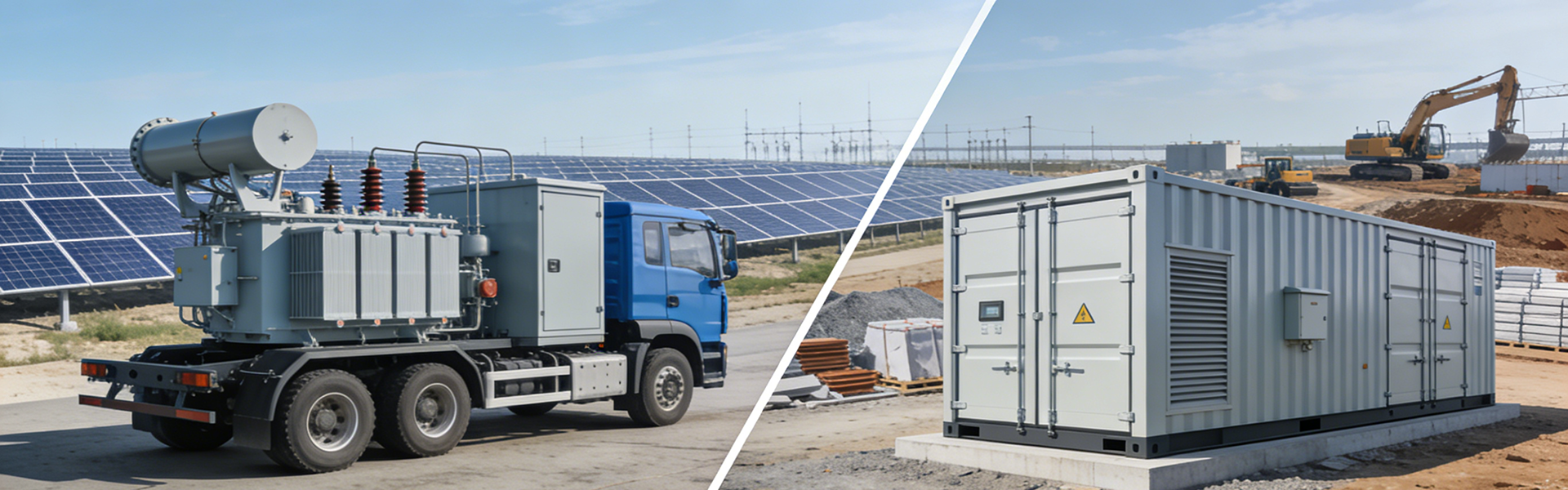
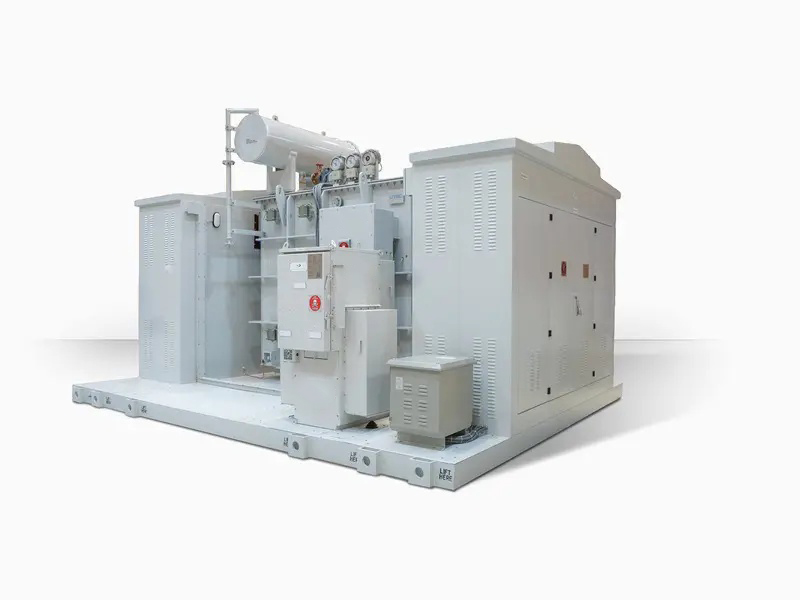
Introduction to Mobile Substations and Their Industrial Applications
On a rain-lashed night in a remote mining camp, the lights flicker and die. In the utility world, this is the nightmare scenario—one that mobile substations were designed to eliminate. These self-contained power units, mounted on trailers or skids, can be deployed within hours to restore electricity, power remote equipment, or provide temporary service during scheduled maintenance. For mining companies pushing deeper into the wilderness, utilities upgrading aging grids, and construction firms building infrastructure in undeveloped plots, the mobile substation is not a luxury—it is a lifeline.
Key Features to Look for in Mobile Substations for Mining, Utilities, and Construction
The first critical feature of the mobile substation is the transformer itself—specifically its power rating, which must match the peak load demands of the application. Beyond the transformer, look for the switchgear arrangement: gas-insulated (GIS) or air-insulated (AIS). GIS is more compact and safer for confined spaces, whereas AIS offers lower upfront costs and easier maintenance. The housing must also withstand brutal environments, whether that means desert sandstorms, arctic frost, or coastal salt spray. Weatherproofing and ingress protection ratings (IP54 or higher) are non-negotiable.
Customization, Compliance, and Safety Standards in Mobile Substations
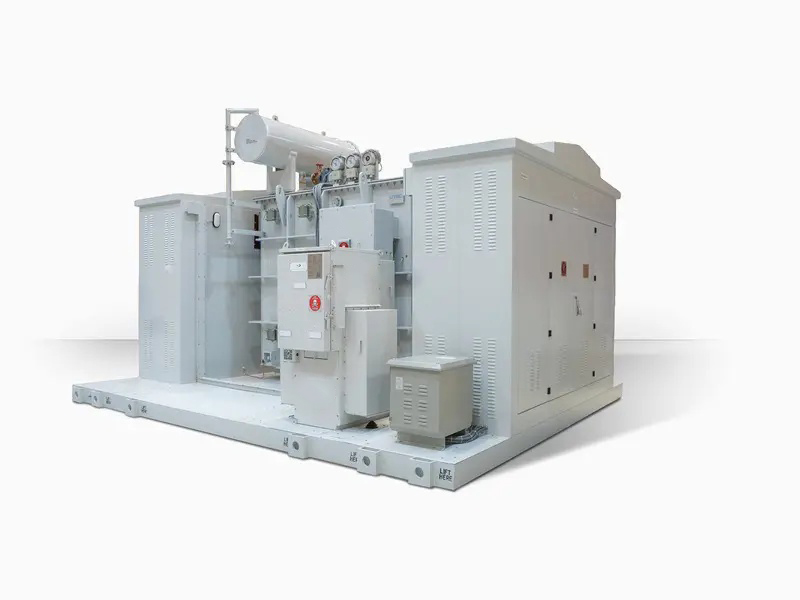
Customization was the recurring theme in every conversation I had with industry veterans. A standard unit rarely fits a specific site without modification. Voltage levels must be tapped for local grid compatibility—whether that is 11 kV in the UK, 33 kV in Australia, or 13.8 kV in North America. Protection relays must be programmed to local grid codes, and the control system may need to interface with a mine’s SCADA network. Compliance is the invisible gatekeeper. Our mobile substation meet IEEE C57.12.00 for transformer performance, IEC 62271 for switchgear, and local electrical safety acts like NFPA 70E is not optional.
Selecting the Right Supplier: Cost, Lead Time, and After-Sales Support
The final and most decisive factor is often the supplier relationship itself. A low bidder may quote a 10-week delivery, but hidden delays in shipping, customs clearance, and site assembly can stretch that timeline to 16 weeks. You ask three questions: What is the exact penalty clause for late delivery? Is the after-sales support team located within a reasonable flight radius? And crucially—what is the average response time for a spare part replacement?