
Key Features and Benefits of All-in-One Systems
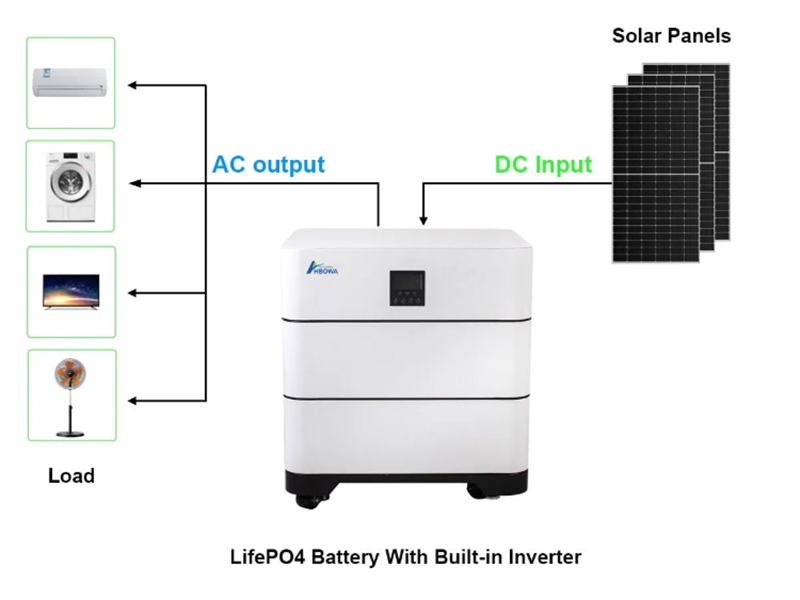
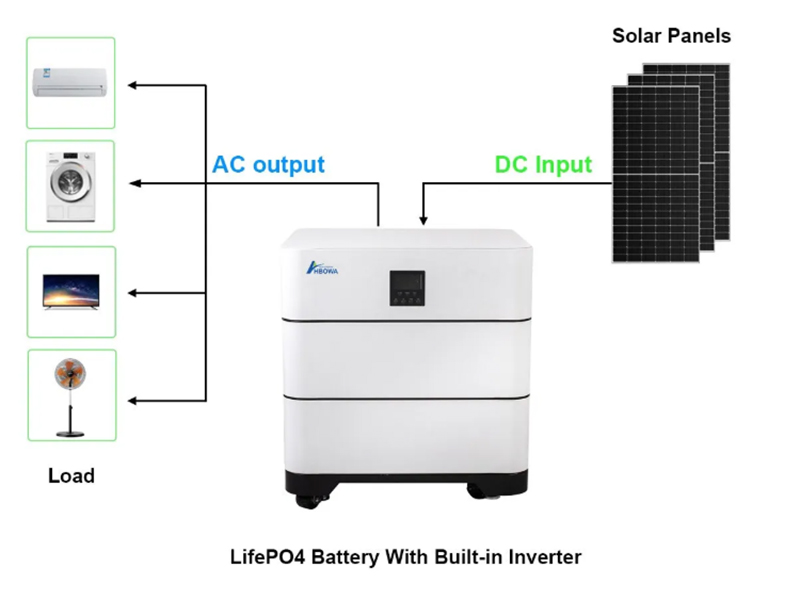
What actually makes these systems tick? First, plug-and-play design cuts installation time by up to 50%. No more juggling separate manuals for inverter and battery settings.
Second, integrated safety. The BMS talks directly to the inverter, preventing overcharge or deep discharge. It's like having a referee inside the box.
Third, scalability. Many 5kW units let you stack additional batteries later. Start small, grow big. And fourth, remote monitoring via Wi-Fi or Bluetooth. Check your solar harvest from your phone while sipping coffee.
Compare three common configurations:
| System Type | Components | Install Time | Space Needed | Best For |
|---|---|---|---|---|
| Separate inverter + battery | 2+ boxes, cables, mounting | 4-6 hours | 2 wall spaces | DIY tinkerers |
| All-in-one 5kW | Single unit, pre-wired | 1-2 hours | 1 wall space | Most homes |
| Rack-mounted | 3+ modules, cabinet | 6+ hours | Floor space | Large off-grid |
| Portable power station | Built-in battery, small inverter | None (plug in) | Shelf space | Camping only |
Why Choose a China OEM for Bulk Purchasing
Here's a question: why do so many installers and distributors source from Chinese OEMs? The answer isn't just price. It's vertical integration. Many Chinese factories make their own PCBs, battery cells, and metal casings.
That means lower overhead, faster lead times, and customization—you can ask for a 5kW unit with 10kWh or 15kWh battery capacity, specific grid-tied or off-grid firmware, and even your own logo.
Are there risks? Sure, quality varies. But top-tier OEMs hold UL, CE, and IEC certifications. The trick is knowing how to vet them. And when you buy in bulk—say 50 to 500 units—the per-unit price can drop 20-40% compared to retail.
Understanding Bulk Pricing and Cost Factors
What actually drives the bulk price of a 5kW all-in-one system? Let's break it down with a simple analogy: think of it like ordering pizza for a party.
The more pizzas you order, the cheaper each slice becomes. But the toppings matter too. For energy storage, the "toppings" are battery chemistry (LiFePO4 vs. NMC), inverter efficiency (95% vs. 98%), and casing quality.
Key cost factors:
Battery capacity: A 5kW/10kWh unit costs less per kWh than a 5kW/5kWh unit.
Order quantity: 100 units vs. 10 units changes everything.
Certifications: UL 9540 adds cost but opens US markets.
Warranty: 5 years vs. 10 years affects price.
Shipping: Sea freight vs. air freight for bulk orders.
A typical bulk price range for a 5kW/10kWh all-in-one unit from a China OEM is $1,200 to $2,200 per unit at 100+ units. Retail? Often $3,000+.
How to Select and Order from a China OEM
So you're convinced. Now what? First, request samples. Never order 500 units based on a spec sheet alone. Test one unit for two weeks.
Second, ask for factory audit reports and third-party test certificates.A real OEM will share them without hesitation.
Third, negotiate payment terms. Typical is 30% deposit, 70% before shipping. But for large orders, you can push for 20/80 or even letter of credit.
Fourth, clarify after-sales support. Who pays for return shipping if a unit fails? What's the spare parts policy?
Finally, start with a pilot order of 10-20 units. Sell or install them locally. Gather feedback. Then scale up. Bulk pricing is great, but only if the product actually works in the field.