
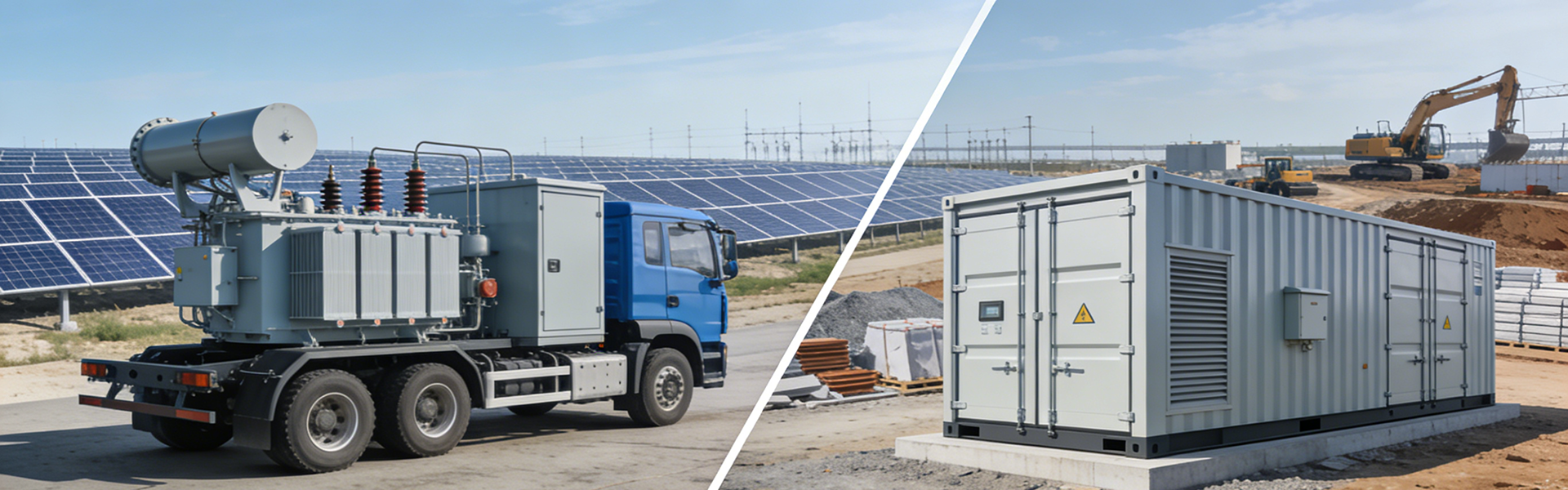
Traditional substation construction—a painfully slow process involving months of on-site civil works, equipment assembly, and rigorous testing. But what if I told you there is a smarter way, one where a fully functional substation arrives on a truck, ready to hum within hours? That is precisely the promise of the modular integrated transportable substation.
Design and Factory-Built Advantages
It engineered with precision-grade electrical components and tested under controlled factory conditions. That’s essentially what a modular integrated transportable substation offers. Instead of pouring concrete foundations and wiring transformers on location, everything—from the medium-voltage switchgear to the control and protection systems—is assembled, wired, and rigorously tested indoors under factory-controlled conditions. Because factory testing dramatically reduces the risk of hidden wiring faults or commissioning delays in the field. The entire substation is a single, integrated unit, often housed within weatherproof enclosures, designed to IEC and ANSI standards, and ready to plug into the existing grid. This approach also shrinks the physical footprint by up to 50% compared to conventional layouts, a vital advantage in congested urban areas or rough terrains.
Transportation and On-Site Installation: From Delivery to Operation in Hours
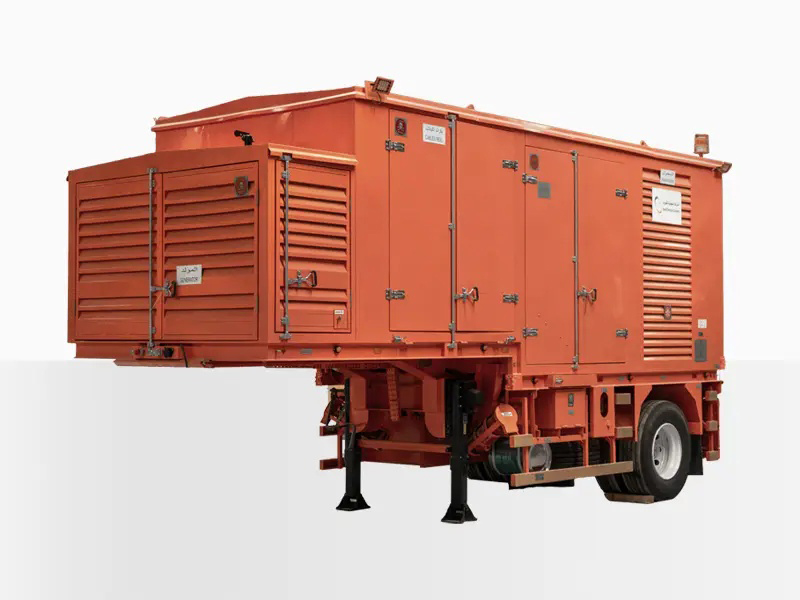
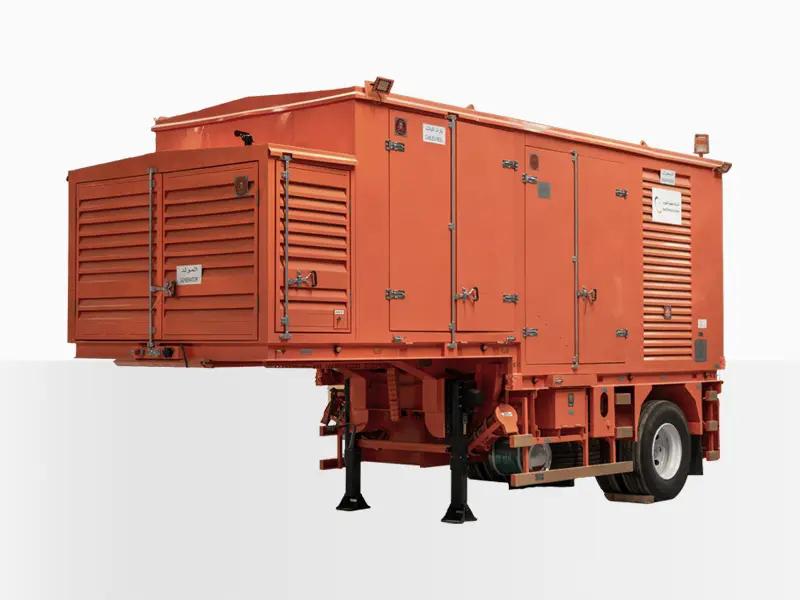
Once the factory completes the unit, it is mounted onto a specialized trailer or a skid base with hydraulic suspension, allowing it to travel by road, rail, or even sea freight. But here’s the kicker: when the convoy arrives at the disaster site, the installation crew does not need cranes for heavy lifting or a week of cable pulling. They simply roll the unit onto a pre-leveled pad, connect the high-voltage incoming lines and low-voltage outgoing feeders using quick-disconnect cable couplers, and perform a short sequence of automated commissioning checks. In many documented deployments, the elapsed time from truck arrival to grid synchronization is under eight hours.
Future Trends and Scalability for Emergency Power Infrastructure
The three clear trends for mobile substation. First, hybrid energy integration— transportable substations paired with battery storage or mobile solar units to create microgrids in disaster zones. Second, digital twin technology will enable remote diagnostics from the factory, allowing engineers to troubleshoot while the unit is still on the highway. Third, standardization across manufacturers will create a “plug-and-play” ecosystem, where any utility can lease a compatible unit within hours, regardless of brand. The scalability aspect also excited: you can deploy a single 5 MVA unit for a village or parallel multiple units for a 50 MVA temporary substation.
| Parameter | Traditional Substation | Modular Transportable Substation |
|---|---|---|
| Installation time | 6–12 months | 4–8 hours |
| Factory testing | Partial, field-intensive | 100% completed pre-shipment |
| Site foundation | Extensive civil works | Minimal grade-level pad |
| Relocation capability | Very difficult | Easily re-deployable |