
Introduction to C&I Energy Storage
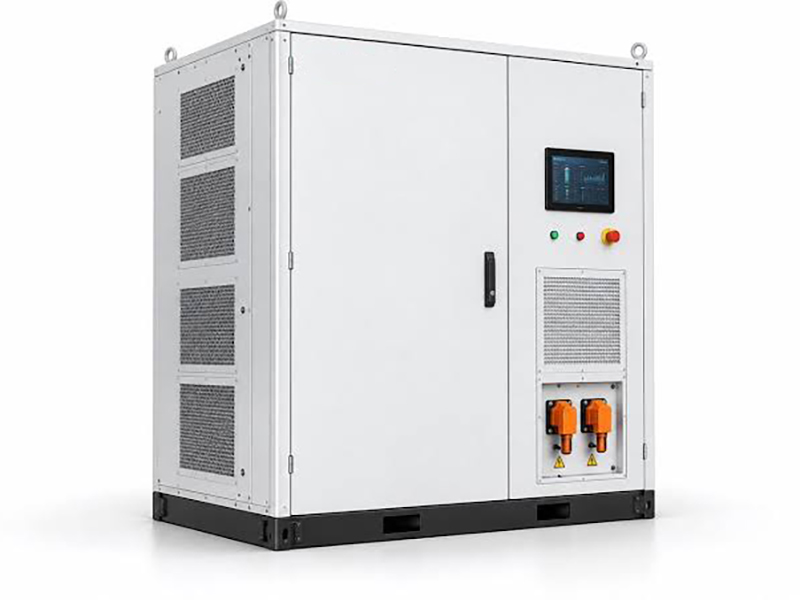
Ever wondered how factories and large buildings keep their power bills from spiraling out of control? That's where commercial and industrial (C&I) energy storage steps in. Think of it as a giant, intelligent battery bank that stores cheap electricity when demand is low and releases it when prices peak. Unlike a simple home battery, a C&I cabinet must handle hundreds of kilowatt-hours while surviving harsh factory floors. So why the sudden buzz? Because renewable energy is intermittent, and grid outages are costly. A well-designed cabinet bridges that gap, turning energy into a manageable asset rather than a monthly headache.
Liquid Cooling Technology for LFP Cells
Now, here's a question: what happens when you pack dozens of lithium iron phosphate (LFP) cells tightly together and run them hard all day? They get hot—and heat is the enemy of longevity. Traditional air cooling works, but it's like fanning a crowded room on a summer day: uneven and inefficient. Liquid cooling, by contrast, circulates a coolant through cold plates or tubes, pulling heat away from each cell directly. It's akin to a car's radiator versus a desk fan. The result? LFP cells stay within a tight temperature band, often ±3°C, which slows degradation and prevents thermal runaway. Plus, liquid cooling handles higher power densities, meaning you can fit more storage in a smaller footprint. For C&I users, that's a win for both safety and space.
Design and Features of the Energy Storage Cabinet
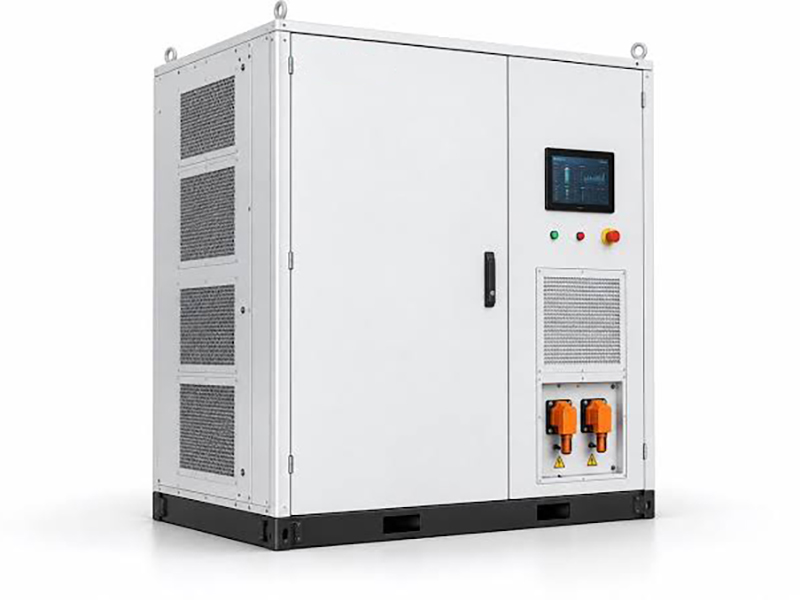
What does a modern liquid-cooled cabinet actually look like? Picture a sleek, weatherproof enclosure—roughly the size of a large vending machine—housing battery modules, a coolant pump, a heat exchanger, and a battery management system (BMS). The BMS acts as the brain, monitoring voltage, current, and temperature for every cell. Key design choices include modular racks for easy expansion, fire suppression systems, and IP54 or higher ratings for dust and water resistance. The cabinet is not just a box; it's an integrated ecosystem. For instance, some models allow front access for maintenance, so you don't need to pull the unit out of a tight corner. And because LFP chemistry is inherently stable, the cabinet can be installed indoors or outdoors without exotic ventilation.Performance and Safety Advantages
Let's get practical. Why choose liquid cooling plus LFP over other combinations? First, safety: LFP cells resist thermal runaway better than nickel-manganese-cobalt (NMC) cells, and liquid cooling keeps them even further from danger. Second, performance: you get consistent power output even during long discharge cycles. Third, lifespan: a well-cooled LFP pack can last 6,000 to 8,000 cycles—that's 15 to 20 years of daily use. Compare that to air-cooled alternatives, where hot spots can cut life by 30% or more. The table below summarizes typical differences.
| Feature | Liquid-Cooled LFP | Air-Cooled NMC |
|---|---|---|
| Cycle life at 80% DoD | 6,000–8,000 | 3,000–4,000 |
| Temperature uniformity | ±3°C | ±8°C |
| Fire risk (thermal runaway) | Very low | Moderate |
| Footprint per kWh | Smaller | Larger |
Applications and Case Studies
Where do these cabinets actually work? Consider a mid-sized manufacturing plant in a region with time-of-use electricity rates. The cabinet charges at night when power is cheap, then discharges during afternoon peaks—cutting demand charges by 20–30%.
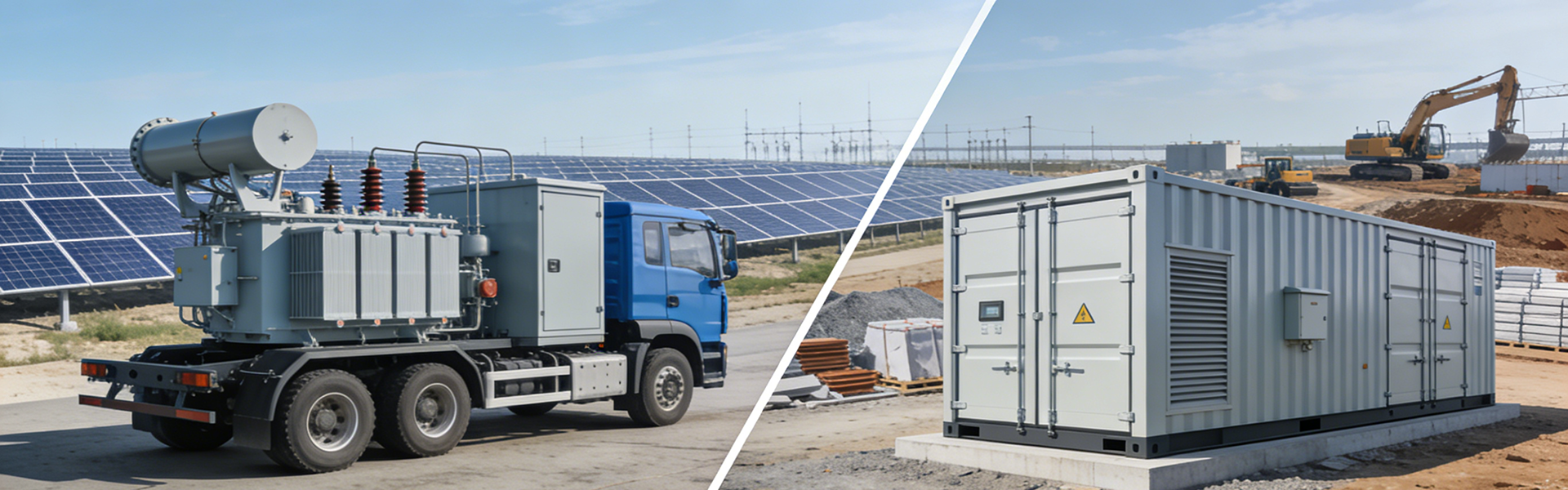
Or imagine a cold storage warehouse with solar panels on the roof. The liquid-cooled LFP cabinet smooths out solar fluctuations and provides backup during grid outages, keeping refrigeration alive.
In one real-world case, a data center used such cabinets to replace a diesel generator for short outages, saving fuel and maintenance costs.
Another example: a commercial office building paired a cabinet with an EV charger, using stored energy to avoid peak demand penalties.
These aren't lab experiments—they're daily tools for cost control and resilience.