
Introduction to Mobile Substations and OEM Manufacturing
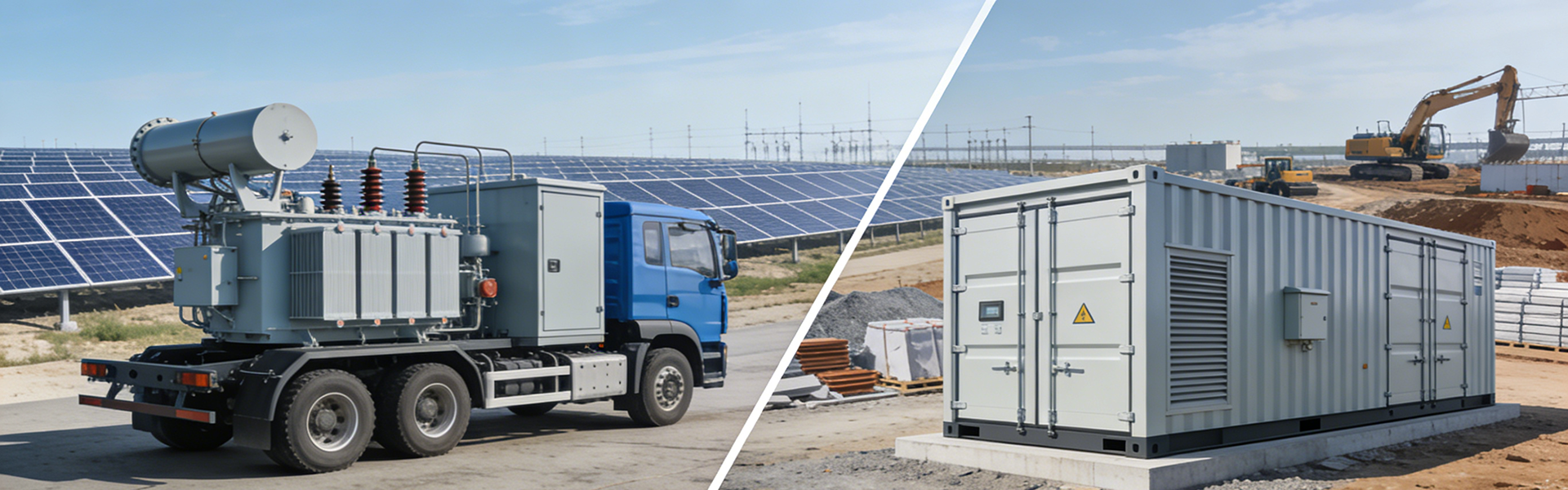
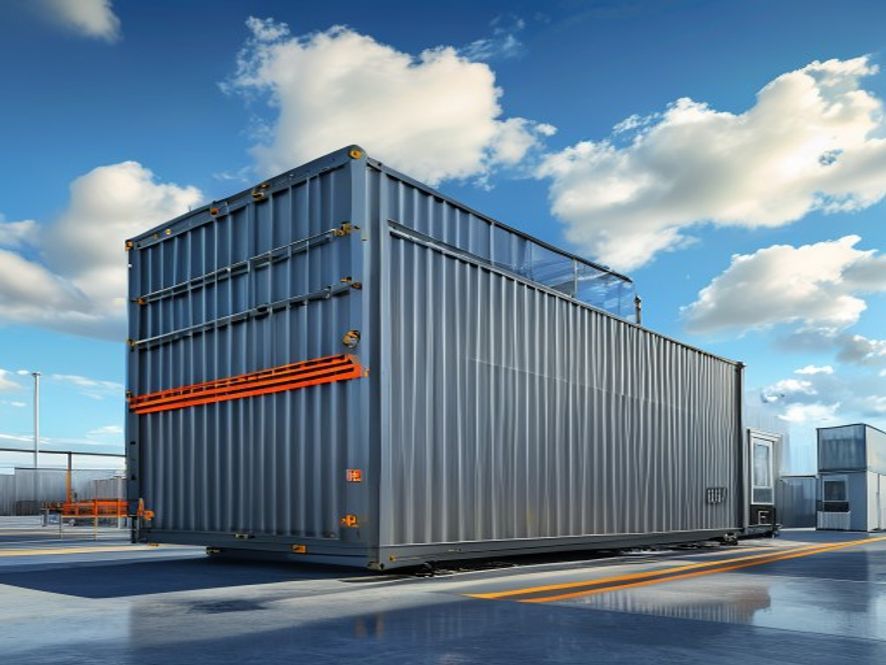
The sun beat down on the construction site in rural Nevada, where a power outage had halted work for three days. A standard substation would take months to install, but the project manager had a different solution: a mobile substation, built on a steel skid and delivered by flatbed truck. Within 48 hours of arrival, the unit was operational, restoring power and saving the project from costly delays. This scenario captures the essence of why mobile substations, especially those crafted by OEM manufacturers, have become indispensable in modern power distribution. An OEM, or Original Equipment Manufacturer, specializes in designing these units from the ground up, ensuring every component—from transformers to switchgear—is tailored for mobility and durability.
Key Advantages of Custom Skid Container Design
How to Choose the Right OEM Manufacturer
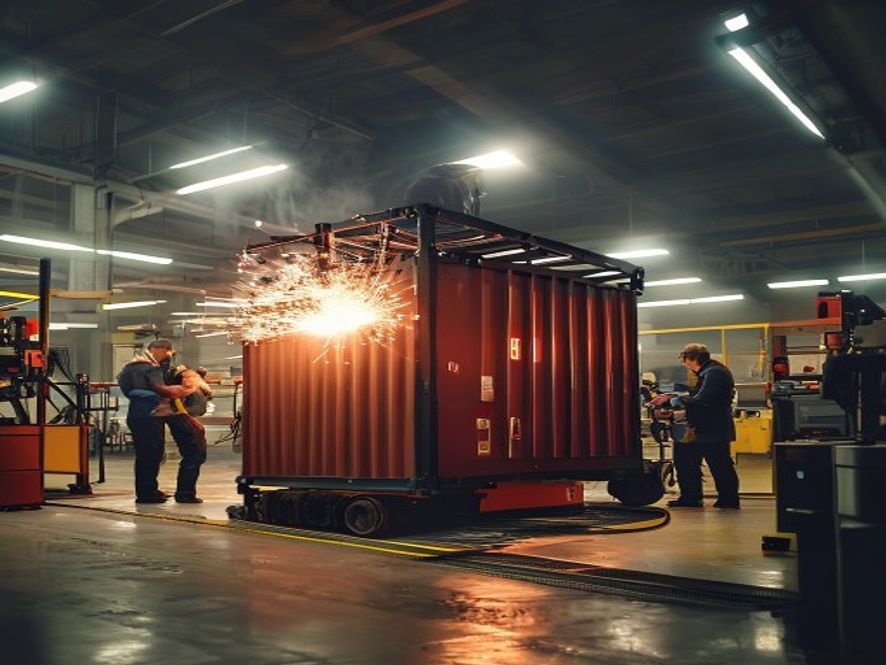
Selecting an OEM is a strategic decision that hinges on experience and transparency. Start by examining their track record in building units for similar applications, such as oil fields or renewable energy farms. Request case studies that detail past projects, like how one OEM customized a unit for a wind farm in Iowa, integrating a step-up transformer to handle fluctuating loads. Another crucial factor is compliance with industry standards like IEEE or IEC. A reputable manufacturer will offer clear documentation on testing protocols, including short-circuit and thermal rise tests. Finally, consider their support network—can they provide on-site training or remote diagnostics? A manufacturer in Ohio offers a 24/7 hotline for troubleshooting, which proved invaluable when a unit in Alaska encountered a software glitch during a blizzard.
Customization Options and Technical Specifications
Customization is where OEM expertise shines. You can specify voltage ratings from 12 kV to 245 kV, transformer capacity up to 100 MVA, and enclosure types—whether for desert heat or arctic cold. For instance, one project in Saudi Arabia required a unit with sand filtration for cooling systems. The table below outlines typical options:
| Feature | Standard Option | Custom Option |
|---|---|---|
| Voltage Rating | 34.5 kV | 69 kV, 138 kV |
| Transformer Capacity | 10 MVA | 25 MVA, 50 MVA |
| Enclosure Material | Galvanized steel | 316L stainless steel |
| Cooling System | Oil-immersed | Forced air with filters |
| Monitoring | Basic SCADA | Advanced IoT integration |
This flexibility ensures the unit meets specific grid requirements, such as frequency regulation or fault tolerance.
Conclusion and Steps to Purchase
To purchase a mobile substation, begin by defining your load profile and site constraints. Contact multiple OEMs and request a detailed proposal, including a timeline for fabrication and delivery. For example, a mining company in Chile ordered a custom unit with a 12-week lead time, allowing them to plan around seasonal weather. After comparing bids, visit the manufacturer’s facility to inspect quality control processes. Finally, negotiate a contract that covers testing, shipping, and commissioning support. With the right OEM, your mobile substation will be a reliable asset that adapts to changing power needs, just like that Nevada project manager discovered.