
Introduction to Mobile Substations in Mining and Utilities
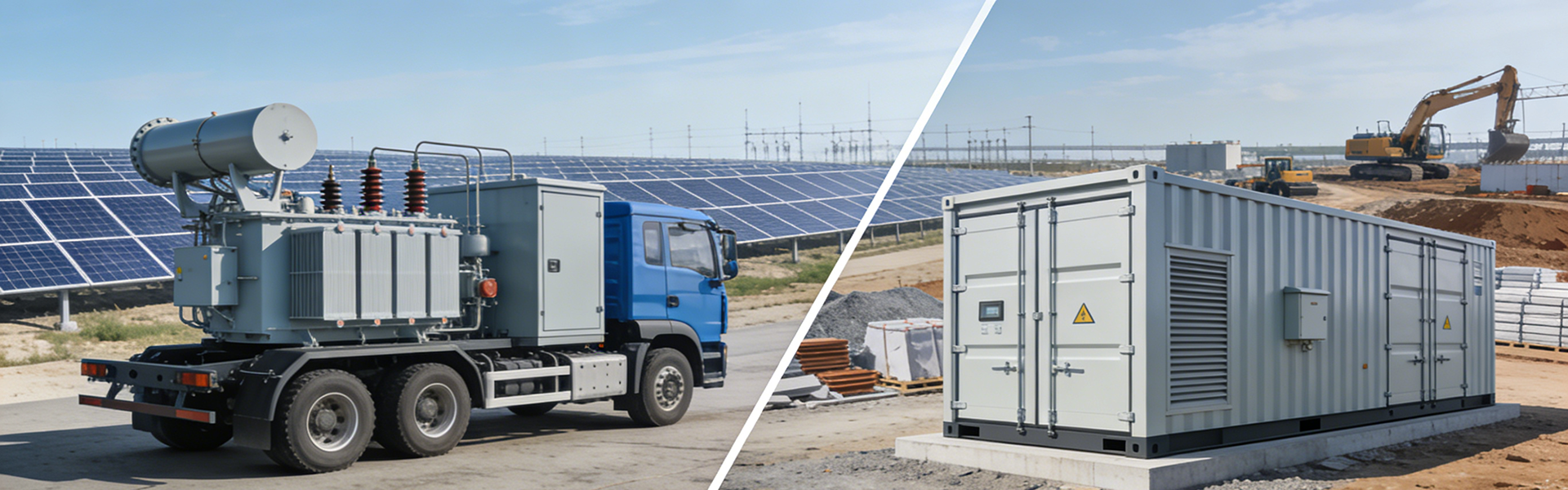
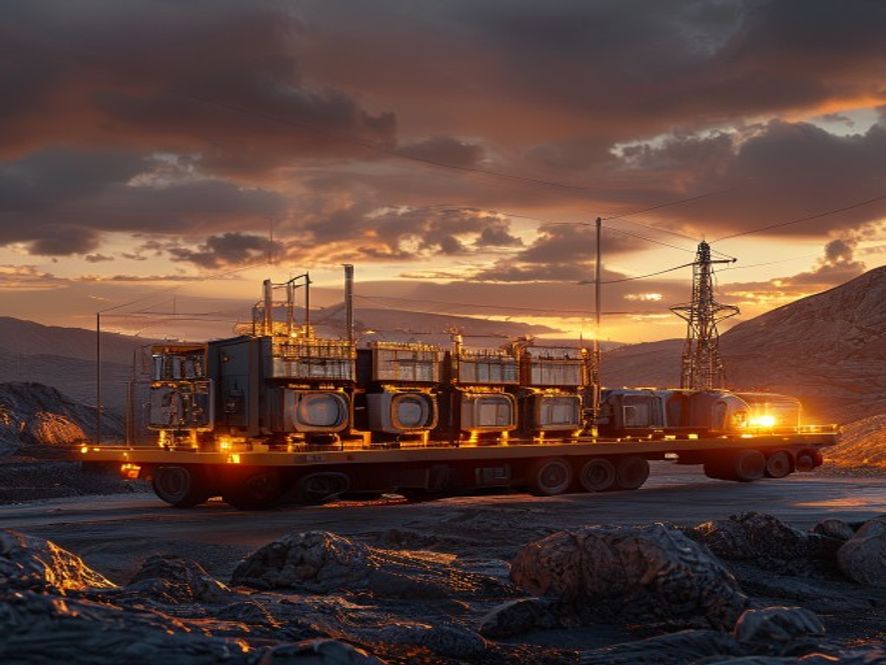
Mobile substations have emerged as a critical asset for mining and utility sectors, where reliable power distribution is non-negotiable. In mining, operations often shift across vast, remote terrains, leaving fixed infrastructure vulnerable to delays and costly downtime. Utilities face similar challenges during grid upgrades, disaster recovery, or temporary load increases. These compact, trailer-mounted units integrate transformers, switchgear, and protection systems, offering rapid deployment and flexibility. Critics argue that mobile solutions lack the robustness of permanent installations, but modern designs—with reinforced enclosures and advanced cooling—routinely withstand harsh environments. The real question is whether industries can afford to wait for fixed systems when every hour of outage translates into millions in losses.
Key Design Features and Customization Options
Factory-direct mobile substations are far from one-size-fits-all. Engineers can customize voltage ratings from 11kV to 345kV, transformer capacities between 5MVA and 100MVA, and insulation types (oil, dry-type, or gas-filled). A critical differentiator is the skid-mounted vs. trailer-mounted configuration: skids suit permanent relocation, while trailers enable rapid highway transport. For mining sites with explosive dust, explosion-proof enclosures and sealed bushings are mandatory. Utilities often demand integrated SCADA compatibility for remote monitoring. Skeptics question the cost of customization, but modular designs reduce lead times by 30% compared to field-built alternatives. The table below illustrates typical configurations:
| Feature | Mining Application | Utility Application | Standard Option |
|---|---|---|---|
| Voltage Range | 11kV – 69kV | 34.5kV – 345kV | 33kV / 69kV / 138kV |
| Transformer Type | Dry-type or Oil-filled | Oil-filled or Gas-filled | Oil-filled |
| Enclosure Rating | IP54 (dust-resistant) | IP55 (weather-resistant) | IP54 |
| Mobility Type | Trailer-mounted | Skid or Trailer | Trailer-mounted |
| SCADA Integration | Optional | Mandatory | Optional |
Advantages of Factory Direct Sourcing
Application Scenarios and Case Studies
In mining, mobile substations power temporary crushers, conveyor belts, and ventilation systems during pit expansions. A Canadian oil sands operator deployed a 30MVA unit to replace a damaged fixed substation, restoring operations within 48 hours—a task that would have taken a month with conventional repairs. For utilities, they serve as emergency backup during storms or grid congestion. A Texas utility avoided $2 million in penalties by using a mobile substation to meet peak summer demand. Critics highlight that mobile units have shorter lifespans (20-25 years vs. 40 for fixed), but this ignores their role as transitional assets—often upgraded or repurposed as demand evolves. The key is matching specifications to actual usage duration, not theoretical longevity.
Conclusion: Enhancing Operational Efficiency and Reliability
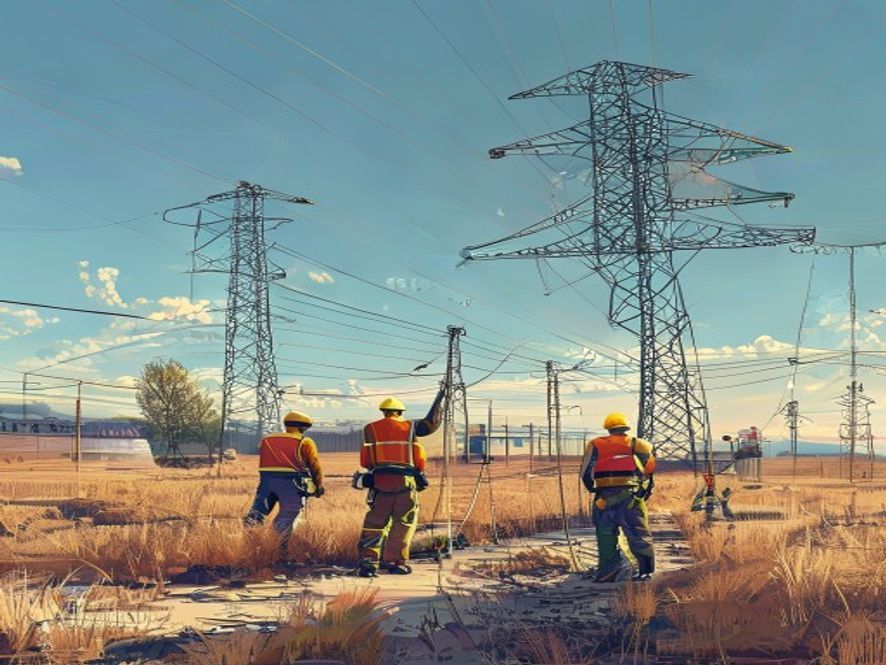
Factory-direct mobile substations bridge the gap between immediate needs and long-term planning. For mining and utilities, they reduce capital exposure, accelerate project timelines, and provide insurance against unpredictable disruptions. While detractors emphasize potential limitations in lifespan or support, the data shows that modern designs and direct sourcing mitigate these risks effectively. The bottom line: industries that adopt these solutions gain a competitive edge in agility and cost control, turning power infrastructure from a liability into a strategic asset.