
Introduction to 35kV Mobile Substation Trailers
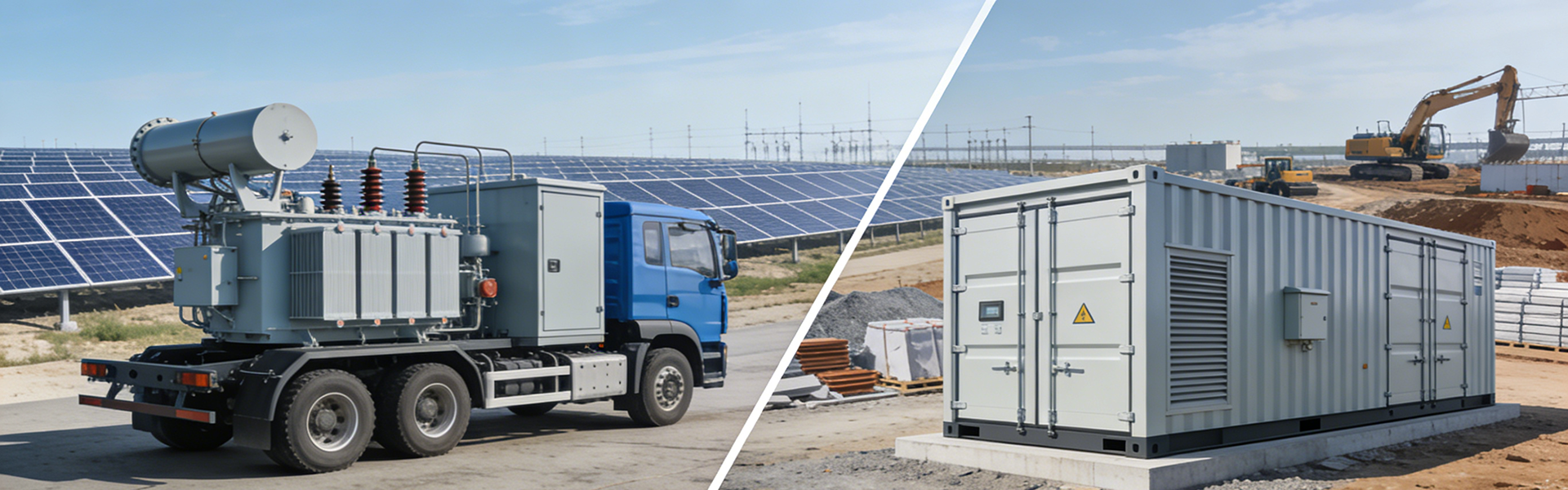
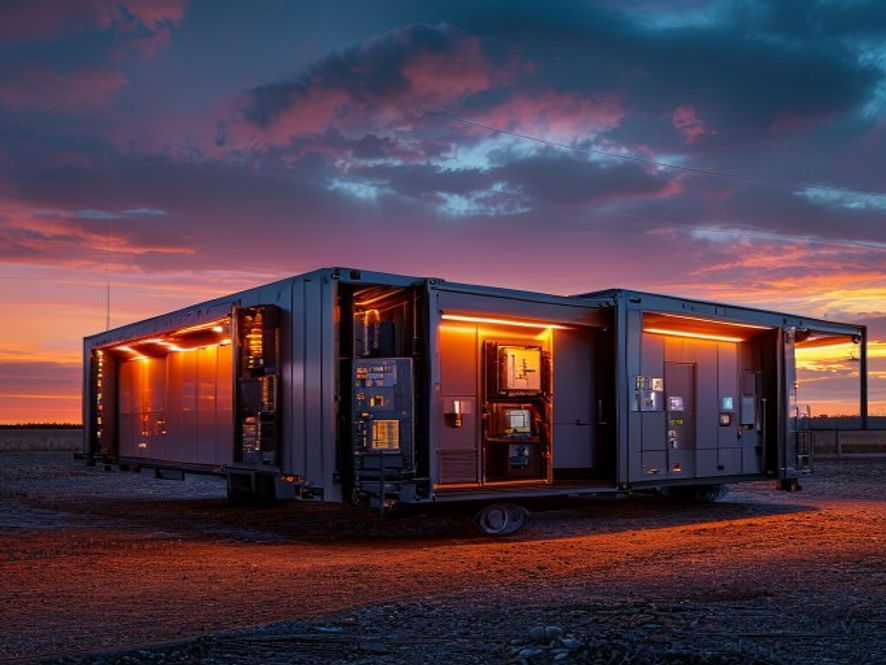
A 35kV mobile substation trailer is a self-contained, transportable unit designed to restore power quickly or provide temporary electrical service. These trailers integrate a step-down transformer, switchgear, and protection equipment into a compact, road-legal chassis. The core advantage is speed: a fixed substation may take months to permit and build, while a trailer can be operational within hours of arrival. This mobility makes them indispensable for utilities and industries facing unpredictable power demands. However, critics argue that mobile units cannot match the long-term reliability of permanent installations, a point worth examining.
Key Features and Benefits of Rapid Deployment
The primary benefit is rapid deployment during outages or planned maintenance. A trailer can be towed to a site, connected to existing lines, and energized in under 24 hours, drastically reducing downtime. Scalability is another asset: multiple units can be paralleled to handle increased loads. The enclosed design protects equipment from weather and vandalism, while built-in grounding and arc-flash mitigation improve safety. Yet, detractors note that mobile substations often have lower short-circuit ratings than fixed ones, potentially limiting their use in fault-heavy networks. This trade-off between speed and robustness must be carefully evaluated.
OEM Customization Options for Specific Needs
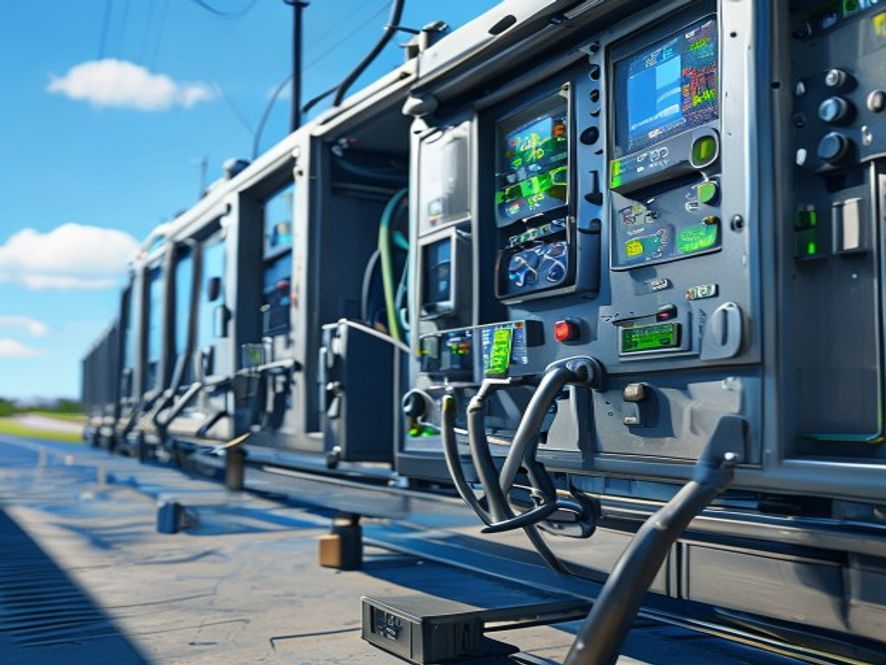
OEMs offer extensive customization to match specific grid requirements. Options include high-impedance transformers for harmonic mitigation, dual-voltage switchgear for international use, and SCADA-ready controls for remote monitoring. The following table illustrates common customization choices:
| Customization Area | Standard Option | Premium Option | Special Application |
|---|---|---|---|
| Transformer Type | Oil-immersed | Cast resin dry-type | Mobile with tap changer |
| Switchgear Rating | 35kV, 630A | 35kV, 1250A | 38kV, 2000A |
| Enclosure Material | Painted steel | Stainless steel | Aluminum (lightweight) |
| Cooling System | Natural convection | Forced air | Oil circulation |
Applications and Use Cases
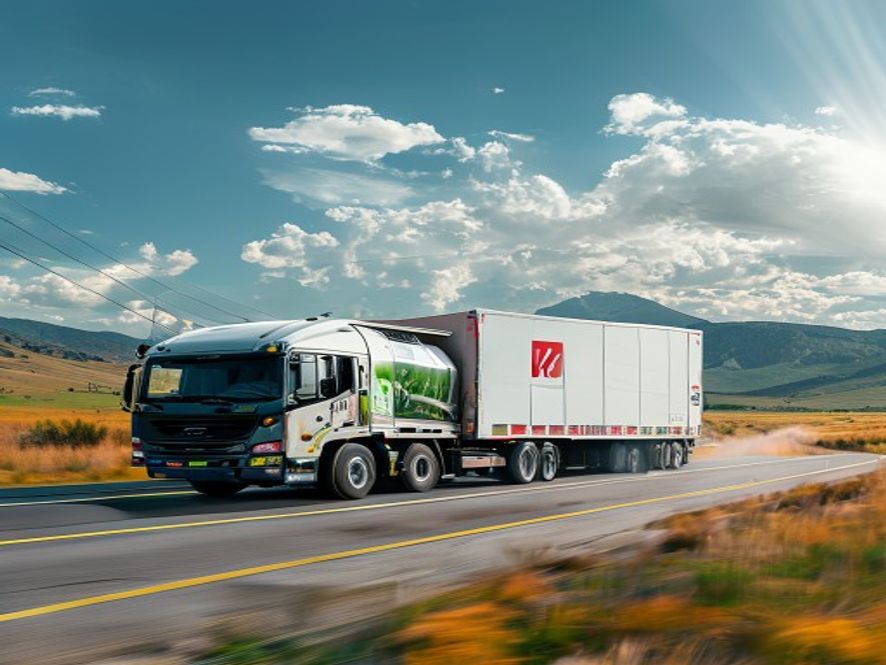
Mobile substations excel in emergency response after storms, earthquakes, or equipment failures, providing temporary power while permanent repairs proceed. They also serve planned outages, allowing grid upgrades without prolonged customer interruptions. In industrial settings, they support mining operations, oil fields, or construction sites where grid connection is temporary. Renewable energy projects use them to connect wind or solar farms during commissioning. A concrete example: after Hurricane Maria in Puerto Rico, 35kV mobile units restored power to critical hospitals within 48 hours. Yet, skeptics point out that in stable grids, these trailers often sit idle for years, representing a capital expense that might be better spent on hardening fixed infrastructure.
Conclusion: Enhancing Grid Resilience with Mobile Solutions
35kV mobile substation trailers are not a replacement for permanent substations but a strategic supplement for resilience. Their true value lies in bridging gaps during crises or transitions, with OEM customization enabling adaptation to diverse conditions. The key is to balance initial cost against potential downtime savings—a calculation that varies by utility. For grids facing frequent extreme weather or rapid load growth, investing in a fleet of mobile units is a pragmatic hedge. Ultimately, the debate between mobile and fixed solutions misses the point: resilience comes from having both options, deployed intelligently based on risk and need.