
Why Choose Rack-Mounted Energy Storage for Your Home
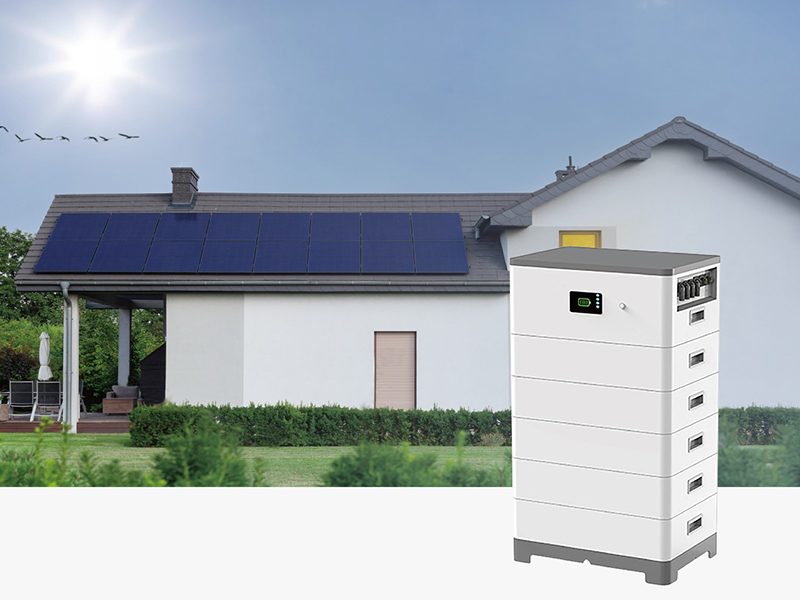
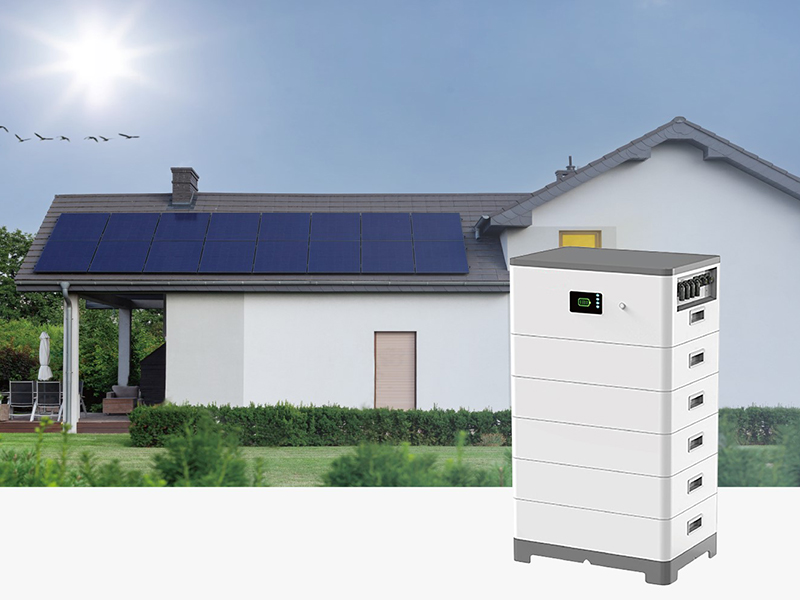
Rack-mounted residential energy storage units slide neatly into a standard 19-inch cabinet, their matte metal faces cool under fingertips, status LEDs glowing soft green in a dim garage corner. Unlike wall-mounted slabs that dominate a hallway, these modular blocks stack like books on a shelf, expanding from 5 kWh to 30 kWh without rewiring the room.
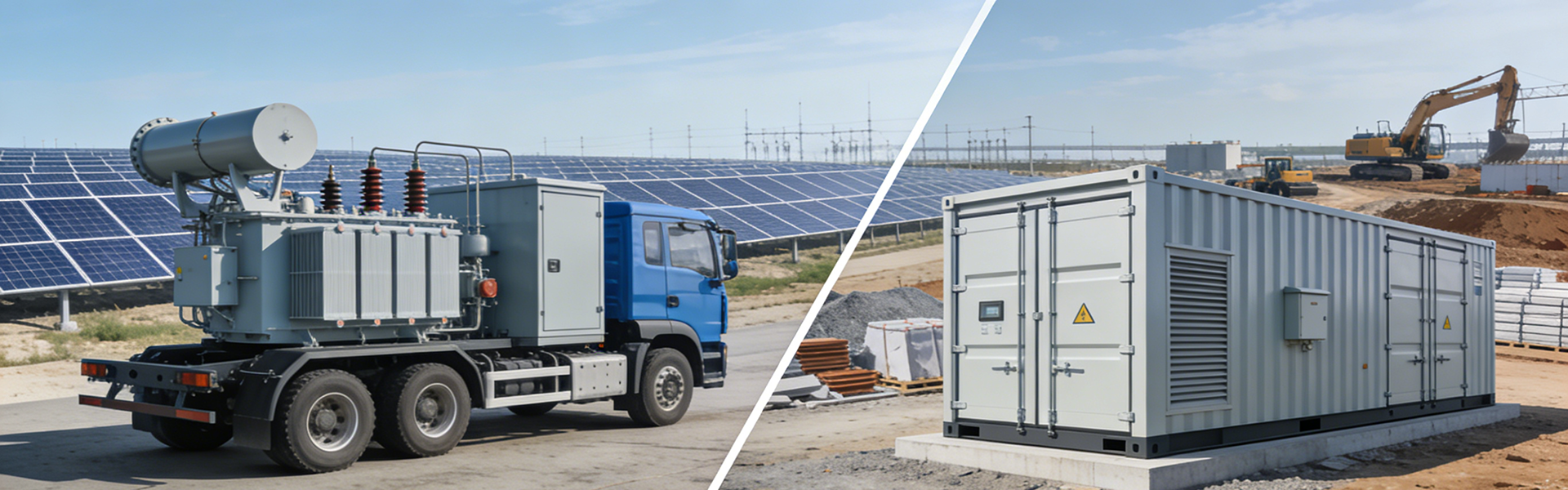
The Advantages of Buying Direct from an OEM Factory
When you buy direct from an OEM factory, you speak with the engineers who wound the transformers and wrote the battery management firmware. Factory-direct pricing typically runs 20–35% below retail, and customization becomes possible: a thicker steel enclosure for coastal humidity, a narrower depth for tight closets, or a custom logo etched on the front panel. The OEM also controls the supply chain, so lead times shrink from months to weeks. You receive the same cells, the same testing reports, and the same warranty.
Key Factors When Selecting a Rack-Mounted System
Run your palm along the edge of a candidate unit. Feel for burrs, check the powder coating, and listen to the fan noise at full load. Voltage matters: a 48V nominal system pairs with most hybrid inverters, while 51.2V LiFePO4 racks offer a slightly higher energy density. Cycle life at 80% depth of discharge should exceed 6,000 cycles. Communication protocols—CAN, RS485, or Modbus—must match your inverter's language. The table below compares three common configurations you might encounter on a factory floor.
| Capacity (kWh) | Usable Energy (kWh) | Max Charge Current (A) | Weight (kg) | Cycle Life |
|---|---|---|---|---|
| 5.12 | 4.60 | 50 | 48 | 6,000 |
| 10.24 | 9.22 | 100 | 92 | 6,500 |
| 15.36 | 13.82 | 150 | 134 | 7,000 |
Installation and Integration with Home Energy Systems
A rack system arrives crated, foam-padded, with a torque wrench and a QR code linking to a wiring video. Mount the cabinet to concrete or studs using the included seismic brackets. Connect the DC breaker, then the communication cable to your inverter—a soft click, a green blink, and the system wakes. Most OEMs provide a monitoring app that graphs solar production, home load, and battery state of charge in overlapping colored bands. On a cloudy afternoon, you can watch the rack absorb surplus PV power, then discharge at 6 p.m. when the kitchen lights flick on. For whole-home backup, a critical load panel isolates essential circuits, and the transition happens in under 20 milliseconds—faster than a blink.
Maximizing Value and Support from Your OEM Partner
We offers remote firmware updates that unlock new inverter compatibility or improve cell balancing algorithms. Request a spare BMS module and a set of fuses with your initial order; they cost little and save weeks of downtime. Ask for the factory's UN38.3 and IEC 62619 test summaries—not just a certificate PDF, but the raw data curves. Finally, negotiate a direct technical hotline.