
Why Choose a China OEM Factory for Residential PV Storage
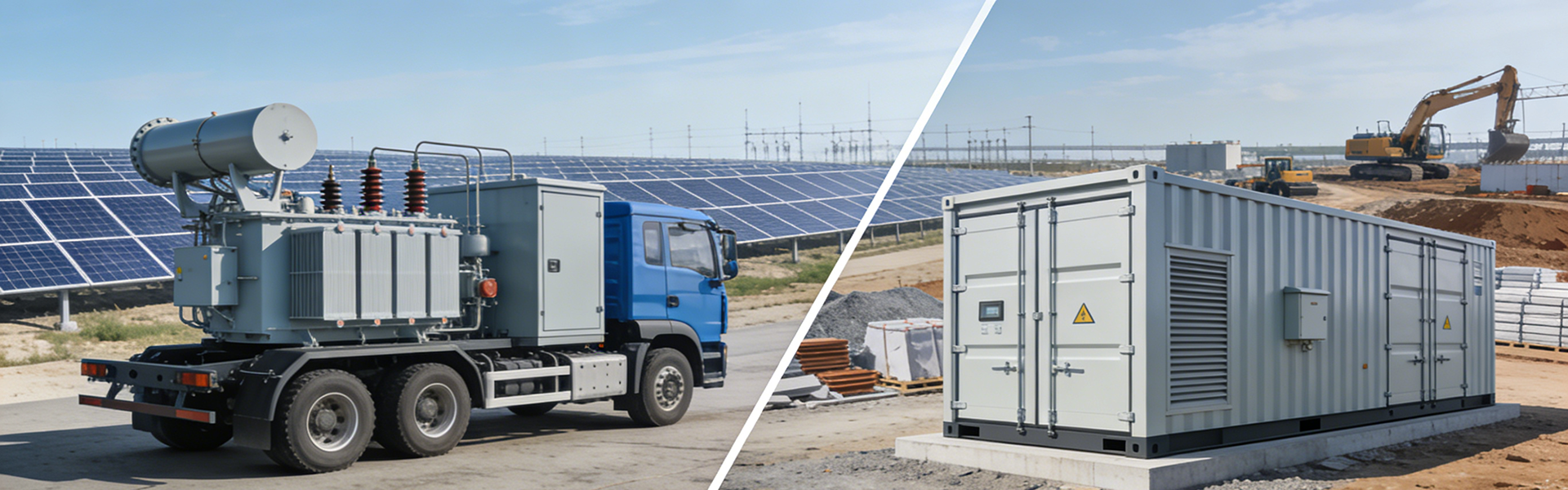
The global shift toward decentralized energy has turned residential photovoltaic (PV) storage into a fiercely competitive battlefield. Western buyers often hesitate when sourcing from China, citing quality fears or communication gaps. Yet the calculus has changed dramatically. A China OEM factory offers cost advantages of 30–50% compared to European or American counterparts, without necessarily sacrificing performance—provided you choose the right partner. More importantly, these factories have accumulated years of expertise in lithium iron phosphate (LiFePO₄) chemistry and inverter integration, making them not just suppliers but co-engineers. The real question is not whether to source from China, but how to structure the partnership to extract maximum value while mitigating risk.
Custom Battery Management System (BMS) Tailored to Your Needs
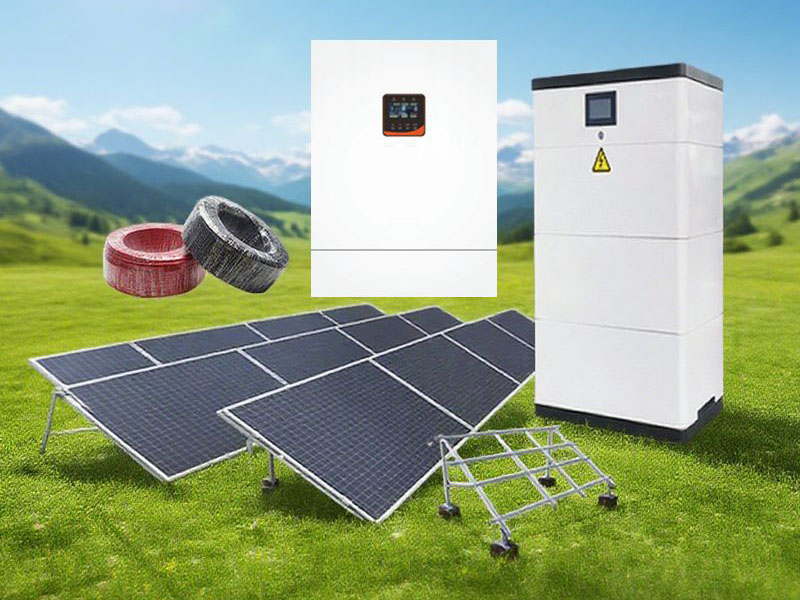
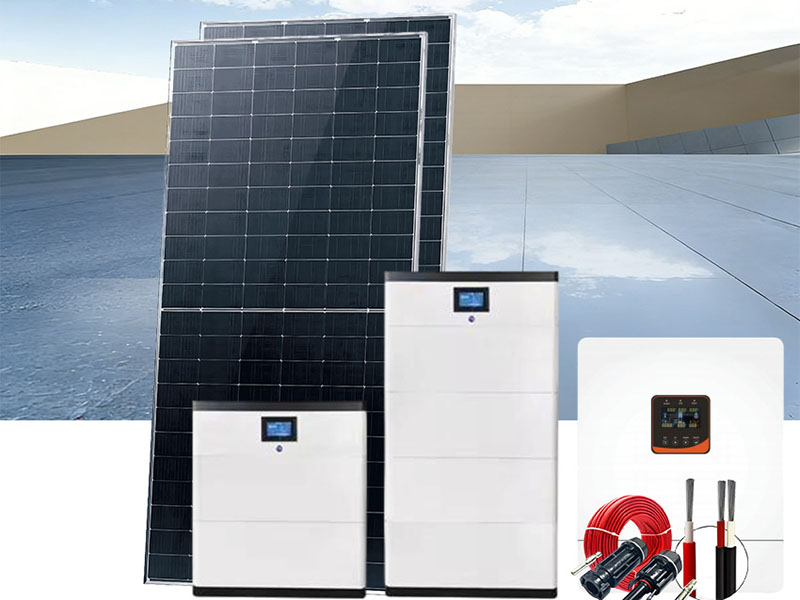
A generic BMS is a recipe for disaster in residential storage, where load patterns, grid conditions, and safety standards vary wildly. China OEMs now offer fully customizable BMS firmware and hardware, allowing you to specify cell balancing thresholds, temperature cutoffs, and even communication protocols like CAN, RS485, or Modbus. The factory adjusts the BMS logic accordingly, not just bolting on a label but rewriting control algorithms. This flexibility extends to battery capacity—from 5 kWh wall-mounted units to 20 kWh stackable towers—and to display interfaces that match your brand identity.
The Assurance of a 10-Year Warranty: Quality and Reliability
A 10-year warranty sounds like a bold promise, but it is increasingly the industry benchmark—and a useful filter for separating serious OEMs from fly-by-night operators. The warranty typically covers >60% state-of-health (SoH) retention and a throughput of 6,000 cycles at 80% depth of discharge. How can a China factory afford this? Through rigorous cell grading, automated assembly lines, and accelerated aging tests that simulate a decade of use in three months.
| Warranty Aspect | China OEM (Typical) | European OEM (Typical) |
|---|---|---|
| Duration | 10 years | 5–7 years |
| SoH threshold | 60% | 70% |
| Cycle coverage | 6,000 | 4,000–5,000 |
| Insurance backing | Optional | Often included |
| Replacement logistics | Factory-direct | Local service network |
Key Considerations for OEM Partnerships and Integration
First, IP protection: our factory custom BMS settings and branding are covered by a non-disclosure agreement and, ideally, a mold ownership clause. Second, integration testing: demand a hardware-in-the-loop (HIL) test that simulates your inverter's communication stack—many failures trace back to mismatched CAN bus IDs or voltage ramp rates. Third, lead times and MOQs: a typical MOQ of 100 units may sound low, but our factory's capacity for scaling to 5,000 units without quality drift. Visit the production line or video audits via WeChat if you want in any time. Also, our factory can handles certifications (CE, RCM, etc.) .