
The first time the lights flickered and died during a summer storm, I sat in the dark with a dead phone and a warm refrigerator. That night, I realized that backup power wasn't a luxury—it was a necessity. Across the country, extreme weather events are becoming more frequent, and the grid is aging. For homeowners, the question is no longer *if* the power will go out, but *when*. Solar panels paired with battery storage offer a lifeline, transforming your roof from a passive shelter into an active power plant.
When sunlight hits a photovoltaic cell, it knocks electrons loose, creating a direct current. That’s the science, but the magic happens on a sunny Tuesday afternoon. Your panels might generate 6 kilowatts, but your house only needs 2. Without a battery, that excess energy flows back to the grid, earning you pennies on the dollar. With a battery, every spare watt is stored for the moment you’ll need it most. It’s like having a savings account for electricity—you deposit energy when the sun shines and withdraw it when the clouds roll in or the grid fails.
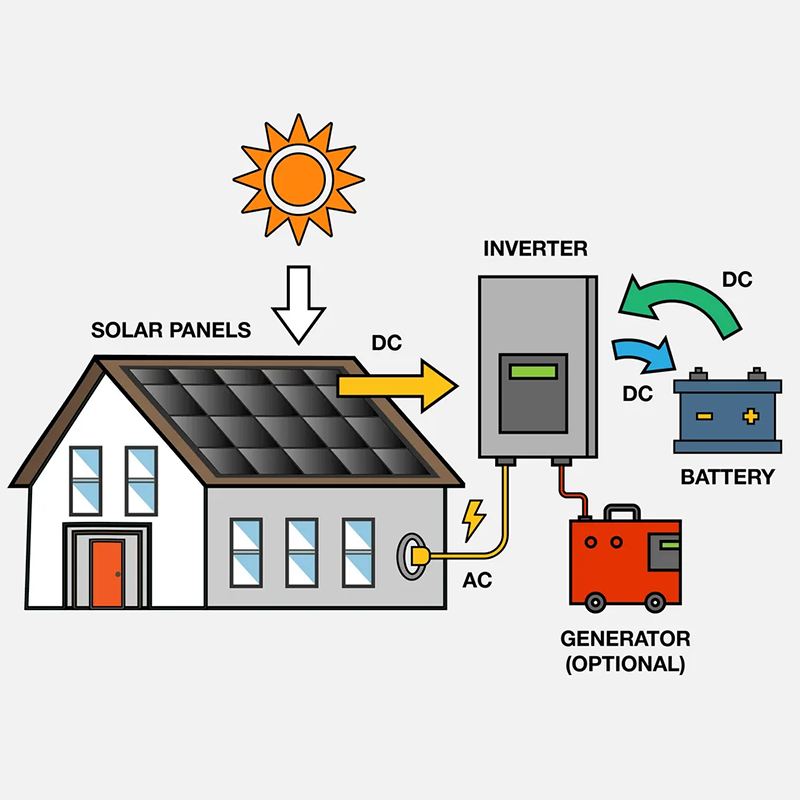
The battery is the unsung hero of this partnership. In a typical setup, solar panels feed an inverter, which converts DC to AC for your home. The battery sits between the panels and your breaker box, quietly charging and discharging. When the grid goes down, a transfer switch isolates your home, and the battery takes over seamlessly. Within milliseconds, your lights stay on, your Wi-Fi router hums, and your sump pump keeps working. For a family with medical devices or remote work obligations, that continuity is priceless.
Choosing the right system feels like buying a car—there are dozens of options, and every salesperson has an opinion. The key variables are simple: your average daily usage, your roof’s sun exposure, and your budget. A small home might thrive with a 5 kWh battery and 3 kW of panels, while a larger house with an electric vehicle might need 15 kWh of storage. The table below breaks down common configurations:
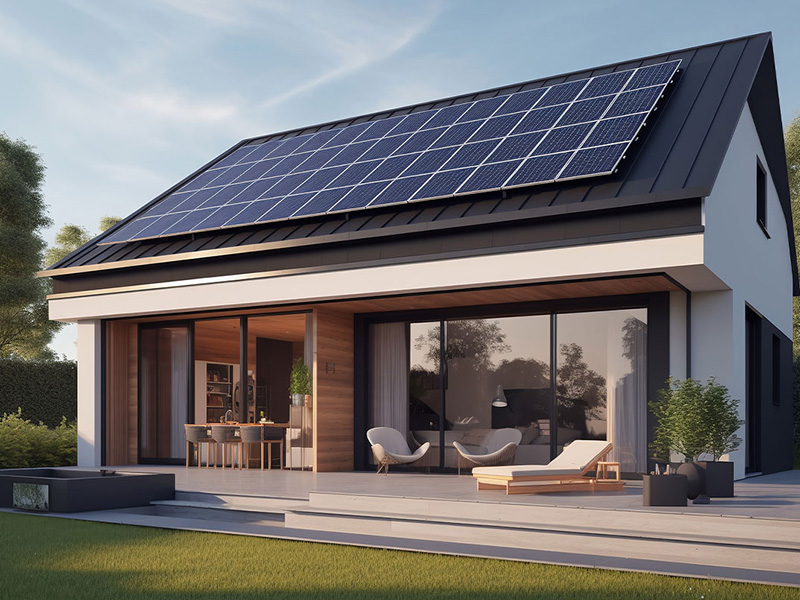 Solar panels convert sunlight into clean electricity for your home. |
|---|