
Understanding Solar Energy Basics for Homes
The transition toward household energy independence has accelerated dramatically over the past decade, driven by declining photovoltaic costs and growing concerns about grid reliability. According to the Solar Energy Industries Association, residential solar installations in the United States grew by over 400% between 2015 and 2024, with average system prices dropping from $4.50 per watt to approximately $2.10 per watt. This economic shift has transformed solar panels from an environmental statement into a rational financial decision for many homeowners. However, achieving genuine power independence requires understanding that solar generation follows a predictable but variable pattern dictated by latitude, seasonal sun angles, and local weather patterns. A typical residential PV system in the northern hemisphere produces approximately 60–70% of its annual output between April and September, creating a significant seasonal imbalance that must be addressed through system design and storage capacity.
Key Components of a Home Solar Power System
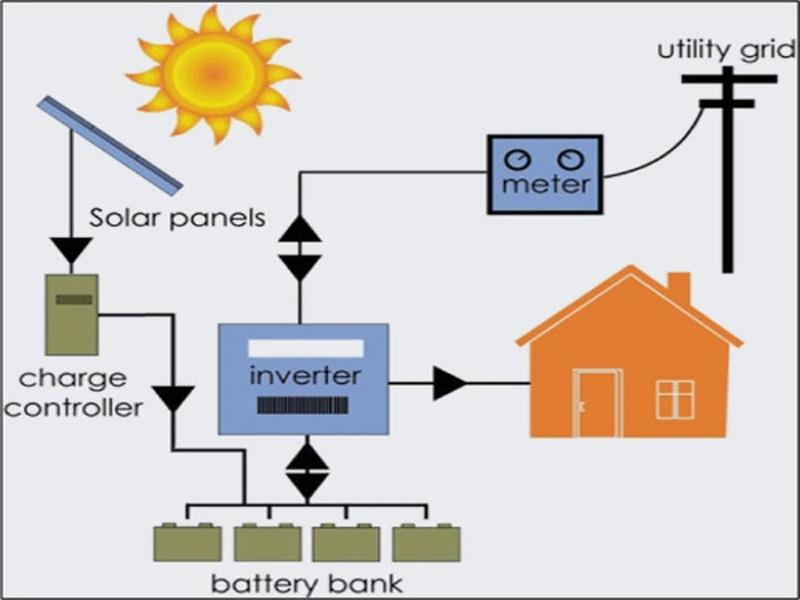
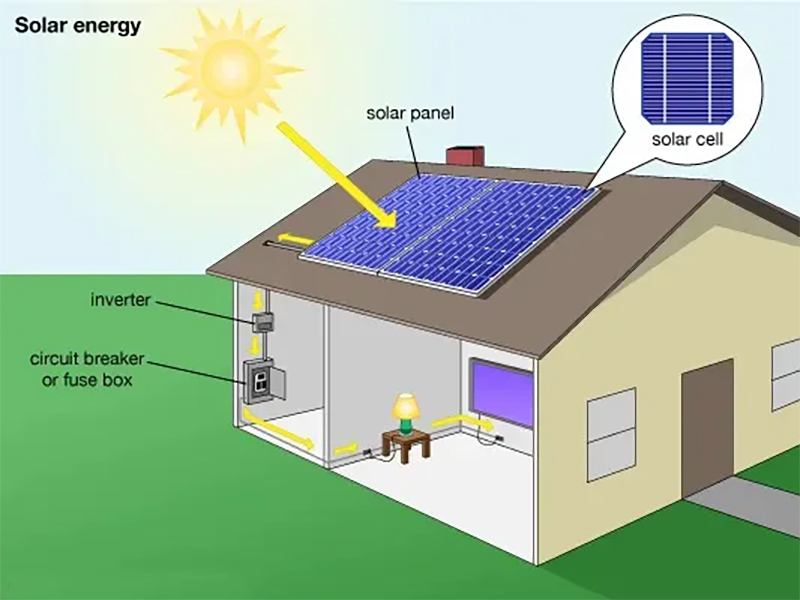
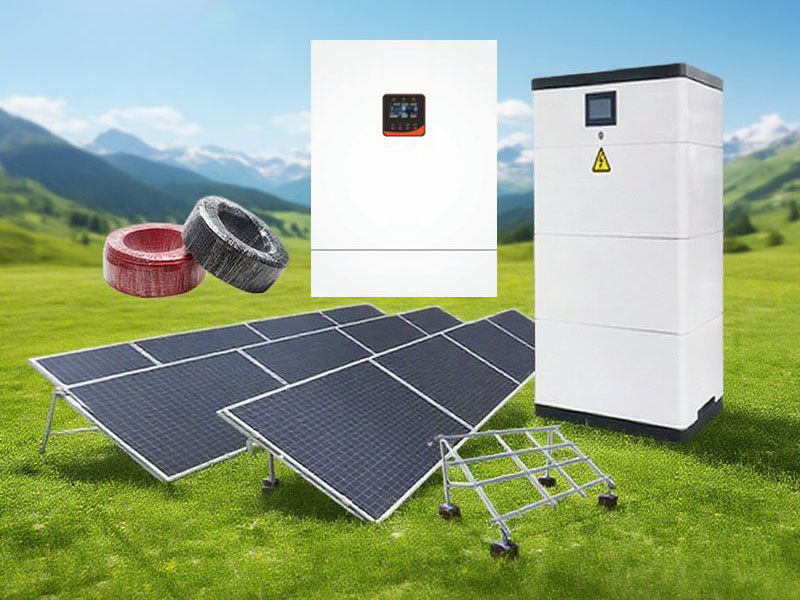
A complete off-grid or hybrid solar system comprises four essential subsystems that work in concert to convert sunlight into usable household electricity. The photovoltaic panels themselves, typically monocrystalline silicon modules rated between 400 and 550 watts each, capture solar radiation and convert it to direct current electricity. The charge controller regulates this variable DC output to safely charge the battery bank, preventing overcharging and extending battery lifespan. The battery storage system—now dominated by lithium iron phosphate (LiFePO4) chemistry—stores excess energy for nighttime and cloudy-day consumption. Finally, the inverter converts stored DC power into standard 120/240V alternating current required by household appliances.
The selection and sizing of these components directly determine whether a household achieves true independence or merely reduces its grid dependence.
Sizing and Designing Your Solar Array
Costs, Savings, and Financial Incentives
The complete installed cost for a home solar system with storage ranges from $15,000 for a minimal 5 kW array with one battery to $50,000 for a comprehensive 12 kW system with multiple batteries and advanced monitoring. The federal Investment Tax Credit currently provides a 30% reduction on total system costs, and many states offer additional rebates ranging from $500 to $5,000. The financial breakeven point typically arrives between 7 and 12 years, depending on local electricity rates and solar resource availability. Households in states with high electricity prices, such as California at $0.30/kWh, achieve faster payback than those in low-rate states like Louisiana at $0.10/kWh. Furthermore, solar-equipped homes command a premium resale value of $15,000–$20,000 on average, according to a 2023 Zillow analysis of transaction data. When calculating long-term savings, homeowners should factor in the rising cost of grid electricity, which has historically increased 3–5% annually, making solar investments increasingly attractive over their 25-year operational lifespan.