
Introduction to Off-Grid Solar Systems
Critics love to romanticize off-grid living as a rustic cabin retreat, but the reality is far more practical: a 5KW 10KWH off-grid solar system is engineered for ruthless self-sufficiency. This configuration isn’t a compromise—it’s a calculated assault on utility monopolies. With 5KW of inverter capacity and 10KWH of battery storage, you’re not just powering a fridge; you’re severing the cord to the grid entirely. The question isn’t whether you can afford to go off-grid—it’s whether you can afford not to, especially when blackouts become a seasonal ritual.
Key Components of a 5KW 10KWH System
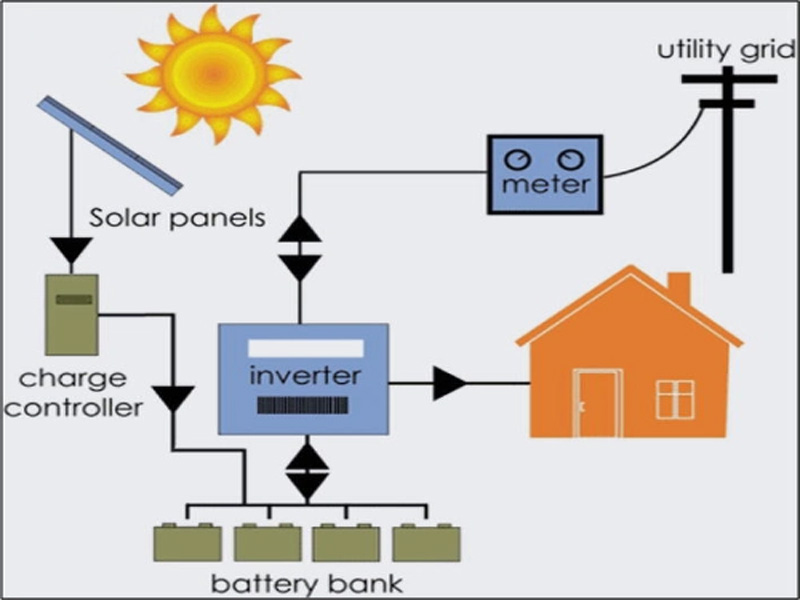
Dismiss any notion that this is a simple panel-and-battery setup. The backbone demands precision: six to eight 400W monocrystalline panels (roughly 3.2KW array) feed a hybrid inverter that juggles solar input, battery storage, and household loads simultaneously. The 10KWH lithium iron phosphate battery—typically a wall-mounted unit—provides 80% usable capacity, unlike lead-acid’s pitiful 50%. Add a critical loads subpanel, disconnects, and surge protection, and you’ve built a fortress.
| Component | Specification | Function | Cost Range |
|---|---|---|---|
| Solar Panels | 6–8 × 400W mono | DC generation | $1,200–$1,800 |
| Hybrid Inverter | 5KW, 48V | DC to AC conversion | $800–$1,500 |
| Battery Bank | 10KWH LiFePO4 | Energy storage | $2,500–$4,000 |
| Monitoring System | Wi-Fi enabled | Real-time tracking | $150–$300 |
Without a battery management system that balances cells and prevents thermal runaway, you’re courting disaster. And don’t forget the grounding rods—lightning doesn’t care about your eco-credentials.

Sizing and Energy Needs Assessment
A 5KW system isn’t a blank check for electric heating or a Tesla charger. You must audit every watt. A typical household consuming 20-25KWH daily would drain this system in under ten hours without sun. Prioritize: LED lighting (150W), a modern fridge (1.5KWH/day), a laptop (60W), and a well pump (1KW peak). Microwave? Fine, but not simultaneously with the kettle. The inverter’s 5KW surge rating handles motor starts, but continuous loads should stay under 4KW. If you’re running a home office, add 300W per workstation—and then rethink your coffee habit.Installation and Maintenance Best Practices
Hiring a certified electrician isn’t optional; it’s survival. Roof pitch, azimuth, and shading analysis determine panel tilt—south-facing at 30° in the northern hemisphere is the sweet spot. Battery placement demands a temperature-controlled space (15-25°C) to prevent capacity degradation. Maintenance is refreshingly minimal: quarterly panel cleaning (bird droppings kill output), monthly terminal torque checks, and annual thermal imaging of connections. The inverter’s cooling fans accumulate dust—vacuum them bi-annually or face premature failure. One overlooked detail: torque the battery terminals to spec, not “good enough.” Loose connections cause arcing, which causes fires, which cause lawsuits.
Cost Analysis and Return on Investment
Upfront costs—around $6,500 to $9,000 installed—make grid-tied homeowners wince. But run the numbers over a 25-year lifespan: panels degrade to 85% output, batteries need replacement every 8-10 years (add $3,000), and inverter swap at year 12 (add $1,200). Total ownership: roughly $13,000. Compare that to $150/month utility bills that escalate 4% annually—that’s $58,000 over two decades. The payback period lands between 7 and 10 years, after which you’re effectively getting paid to live. Factor in federal tax credits (30% in the US) and state rebates, and the initial sting softens considerably. But don’t romanticize it: if your area has net metering, a grid-tied system yields better ROI. Off-grid is a lifestyle choice, not a pure investment—and that’s exactly why it’s worth every penny.