
Introduction to Off-Grid Solar Systems
Off-grid solar systems represent a fundamental shift from conventional grid-tied power. By decoupling entirely from utility infrastructure, these systems generate, store, and distribute electricity autonomously. The 5KW/10KWH configuration has emerged as a practical sweet spot for residential applications, balancing generation capacity with storage endurance. Unlike grid-tied alternatives, off-grid setups require meticulous energy budgeting—every kilowatt-hour consumed must be produced and stored within the system's closed loop. This self-sufficiency offers resilience against grid failures but demands disciplined consumption patterns. For households seeking energy independence in remote locations or regions with unreliable utility service, this configuration provides a robust foundation.
Key Components: Solar Panels, Inverter, and Battery Storage
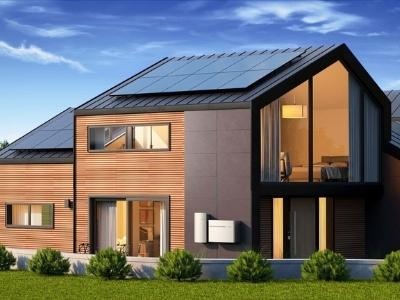
The system's architecture revolves around three interdependent components. Solar panels, typically 12-16 units of 400-450W each, capture sunlight and convert it to DC electricity. The hybrid inverter serves as the system's brain, managing energy flow between panels, batteries, and loads while performing critical functions like MPPT tracking and voltage regulation. The 10KWH lithium-iron-phosphate (LiFePO4) battery bank stores surplus energy for nighttime or cloudy-day consumption.
Component efficiency directly impacts system performance. Monocrystalline panels achieve 20-22% efficiency, outperforming polycrystalline alternatives by 2-3 percentage points. The inverter's conversion efficiency (typically 93-96%) determines how much captured energy becomes usable AC power. Battery chemistry matters significantly: LiFePO4 offers 4,000-6,000 cycles at 80% depth of discharge, whereas lead-acid batteries deliver only 500-1,000 cycles. This performance gap justifies the higher upfront cost of lithium technology, particularly for daily cycling applications.
| Component | Typical Specification | Efficiency/Cycle Life | Cost Range |
|---|---|---|---|
| Solar Panels | 5.5-6.0 KW array | 20-22% efficiency | $2.5-4.0/W |
| Hybrid Inverter | 5KW continuous output | 93-96% conversion | $800-1,500 |
| LiFePO4 Battery | 10KWH usable capacity | 4,000-6,000 cycles | $2,500-4,000 |
| Monitoring System | WiFi-enabled | Real-time tracking | $200-500 |
Sizing and Energy Needs: Why 5KW and 10KWH Fit Most Homes
Data from residential energy audits reveals that average households consume 20-30KWH daily. However, off-grid living necessitates strategic load management. The 5KW inverter handles peak loads up to 10KW for short durations, accommodating essential appliances like refrigerators (150-300W), LED lighting (50-100W), and electronics (200-400W). The 10KWH battery provides approximately 8-9KWH of usable capacity (maintaining 80-90% depth of discharge), sufficient for overnight consumption of critical loads.

Geographic location significantly influences generation capacity. A 5KW array in sunny regions (5.5-6.0 peak sun hours) generates 27-30KWH daily, while overcast climates (3.5-4.0 peak sun hours) yield only 17-20KWH. This variance explains why the 5KW/10KWH pairing suits temperate zones but may require supplementary generation in northern latitudes. Load prioritization systems—dedicated circuits for essential vs. discretionary loads—enable efficient use of limited storage capacity.
Installation and Maintenance Best Practices
Professional installation remains strongly recommended despite the system's modular design. Proper array orientation (south-facing at 30-40° tilt in northern hemisphere) maximizes annual yield. Battery placement requires temperature-controlled environments (15-25°C) to preserve lifespan. Electrical connections must comply with local codes, including proper grounding and rapid shutdown provisions.

Cost Analysis and Long-Term Savings
The initial investment for a quality 5KW/10KWH system ranges $8,000-12,000, including installation. Comparing this against grid electricity costs reveals compelling economics. At $0.15/KWH average utility rates, a household consuming 20KWH daily spends $1,095 annually. Off-grid systems eliminate this recurring cost, achieving payback in 7-11 years depending on local sunlight and utility rates.
However, true cost analysis must account for battery replacement. LiFePO4 batteries at 6,000 cycles (approximately 16 years at daily cycling) add $3,000-4,500 to lifetime costs. Inverter replacement (10-12 year lifespan) contributes another $1,000-1,500. Even with these factors, the 20-year total cost of ownership for off-grid systems ($15,000-18,000) undercuts grid dependency ($21,900+) in most scenarios. Government incentives—federal tax credits (30%), state rebates, and net metering policies—can reduce upfront costs by 30-50%, accelerating payback periods to 5-7 years.
Beyond direct savings, off-grid systems provide inflation-hedged energy pricing. Utility rates historically rise 2-3% annually, while solar generation costs remain fixed after installation. For homeowners seeking predictable long-term energy expenses, this price stability represents substantial financial value.