
The sun had barely crept over the horizon when the first inverter hummed to life on a remote farm in Arizona. That morning, the owners realized they had just cut their dependence on the utility grid forever. This is the reality for many who invest in a 40KW solar system with battery off-grid — a setup that doesn’t just power a home, but an entire small enterprise.
Understanding the 40KW Off-Grid Solar System
A 40KW off-grid system is not your average rooftop array. It’s a robust, standalone power station designed for large homes, working farms, or small commercial workshops. When you choose off-grid, you’re severing the cord to the local utility entirely. The system must generate, store, and dispatch electricity on its own terms. This means every watt counts, and reliability is not a luxury—it’s a necessity.
I remember visiting a dairy farm in Texas that switched to this exact size. Before the upgrade, a single summer storm would knock out their milking machines for hours. Now, with 40KW of solar panels and a substantial battery bank, they operate through blackouts without blinking. The peace of mind alone was worth the investment to them.
Key Components: Solar Panels, Inverters, and Battery Storage
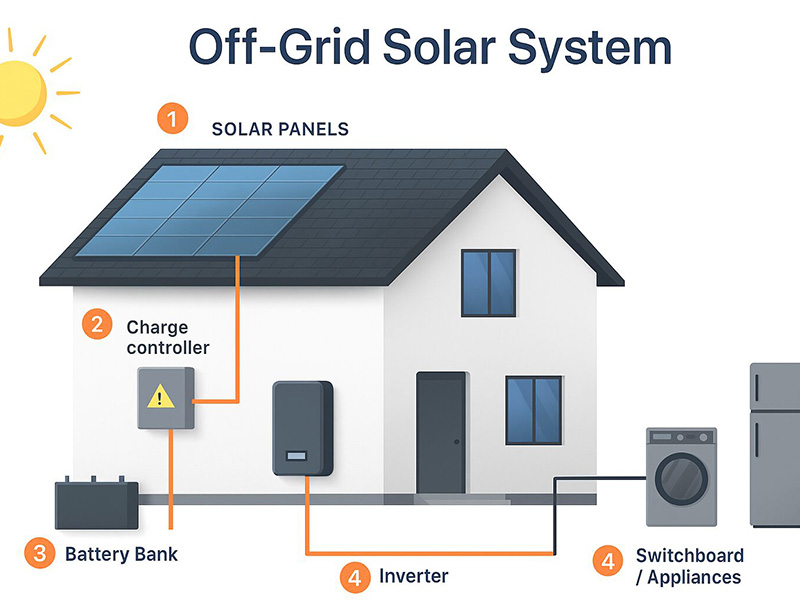
The anatomy of this system is straightforward, yet each part plays a critical role. You start with the solar panels—typically around 100 to 120 high-efficiency monocrystalline modules, depending on their wattage. These panels are wired into a bank of industrial-grade inverters, which convert the DC power into usable AC electricity. But the true heart of the system is the battery storage, often a lithium iron phosphate (LiFePO4) array with a capacity ranging from 40 to 60 kilowatt-hours.
This combination allows for a seamless transition from daytime solar generation to nighttime consumption. The inverter acts as the brain, constantly balancing the load, charging the batteries, and managing the power flow. Without the battery, you’d have no power after sunset; without the inverter, you couldn’t run standard appliances. It’s a trio that works in perfect harmony.

Factory Direct Pricing: How It Lowers Your Investment
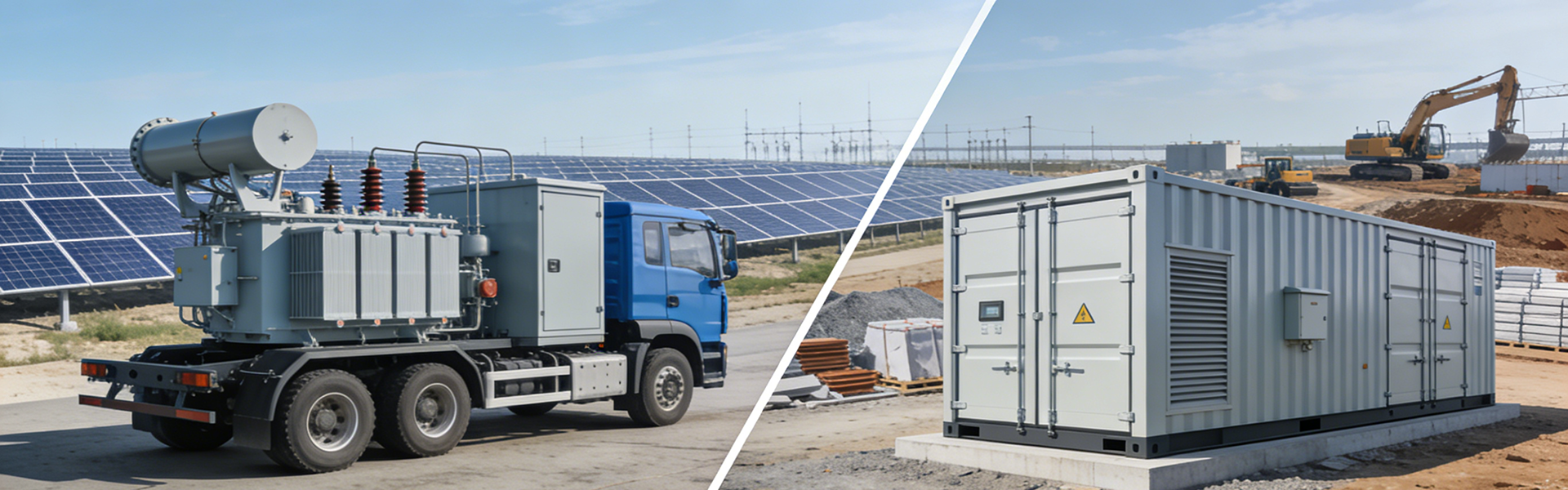
The phrase “factory direct” is more than just a marketing tagline—it’s a financial strategy. When you purchase a 40KW system directly from the manufacturer, you skip the middlemen: the local distributors, the retail markup, and the installation premium that often inflates costs by 30% to 40%. This direct channel can reduce your total hardware expenditure significantly. For a system this size, that’s not pocket change; it’s often the difference between a project that fits your budget and one that requires a loan.
I spoke with a project manager who sourced his equipment this way. He told me that by ordering the pallets of panels, inverters, and battery racks straight from the factory, he saved nearly $8,000 on a single installation. That savings went straight into upgrading his battery capacity, giving him an extra day of backup power.
Installation and Maintenance Considerations
Installing a 40KW system is not a weekend DIY project. It requires a concrete pad for the battery housing, proper ventilation, and a licensed electrician to handle the high-voltage DC wiring. The panels themselves need a large, unobstructed area—roughly 2,200 square feet of roof or ground space. Once installed, the maintenance is surprisingly low. You’ll want to wash the panels a few times a year and check the battery management system’s status monthly. The inverters, though durable, may need a firmware update or a fan replacement after a decade of service.
Comparing Costs: Off-Grid vs. Grid-Tied Systems
| Feature | Off-Grid 40KW | Grid-Tied 40KW |
|---|---|---|
| Initial Cost (Est.) | $35,000 - $45,000 | $25,000 - $30,000 |
| Monthly Utility Bill | $0 | $50 - $150 (fees) |
| Backup Power | Complete independence | None (shuts down) |
| Battery Requirement | Essential (large bank) | Optional (small backup) |
| Payback Period | 5 - 7 years | 4 - 6 years |
While the off-grid system has a higher upfront cost, it offers true energy independence. The grid-tied system relies on the utility for nighttime power and is useless during outages. For those living in remote areas or places with unreliable grids, the off-grid route is not just a luxury—it’s the only logical choice. The factory-direct pricing narrows the gap, making the dream of a self-sustaining power supply more attainable than ever before.