
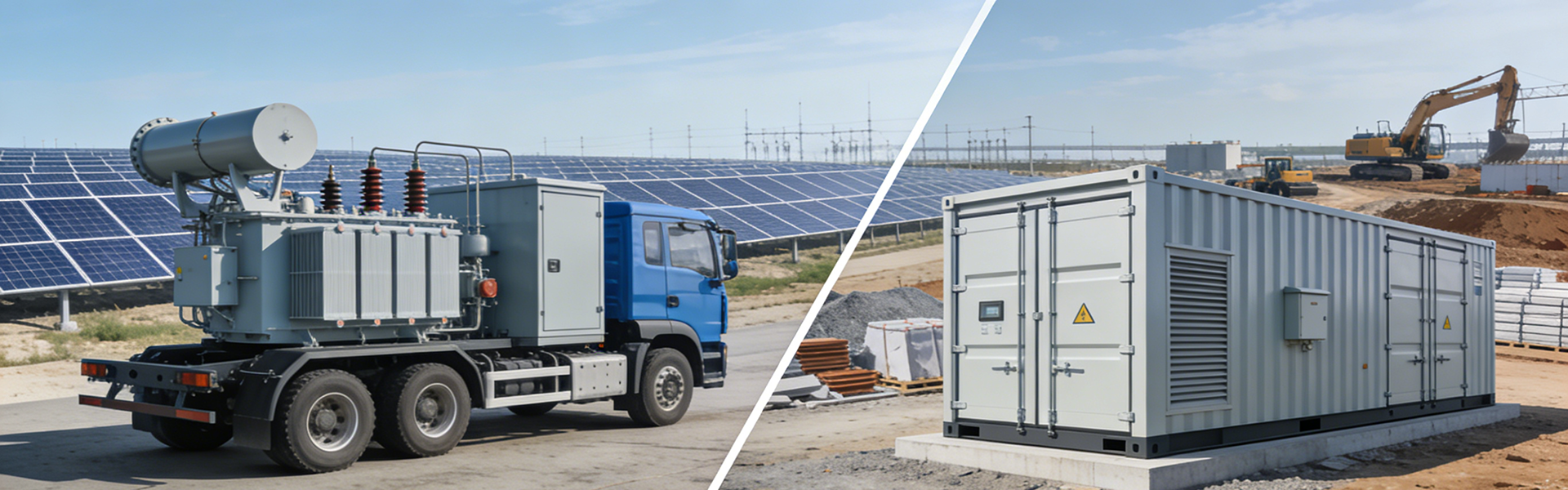
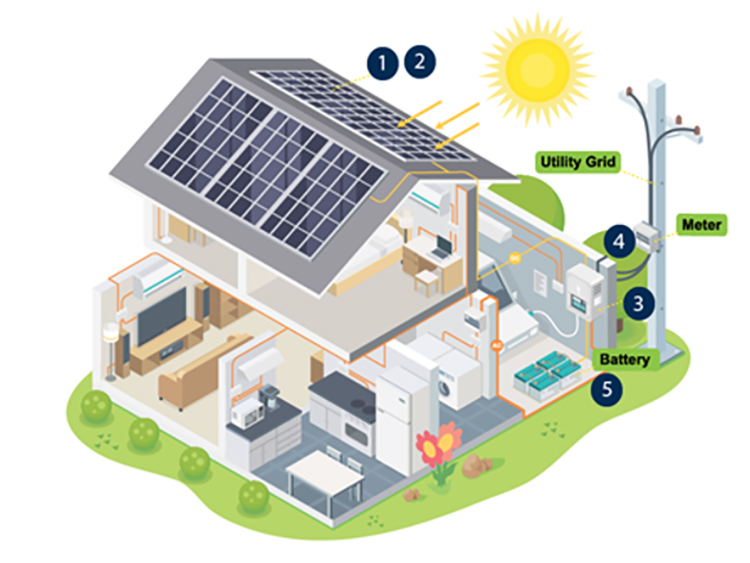
The first light of dawn creeps across the solar array, and within minutes, the 40kW system begins its silent symphony. Each photovoltaic panel, angled precisely toward the equator, captures photons and converts them into direct current. This is the heartbeat of an off-grid lifestyle—a carefully orchestrated assembly of components working in unison. At the center sits the inverter, a sophisticated device that transforms DC power into the alternating current that runs standard appliances, while the charge controller regulates the flow, preventing battery damage during peak production hours. The system’s brain, a monitoring unit, tracks energy production and consumption in real time, displaying a delicate balance between generation and usage on a digital interface.
Battery storage forms the reservoir of this energy ecosystem. For a 40kW array producing roughly 160-200kWh daily, the selection of batteries determines both resilience and longevity. Lithium iron phosphate (LiFePO4) cells have emerged as the industry standard, offering a depth of discharge up to 90% compared to lead-acid counterparts at 50%. A typical configuration might employ 48-volt battery banks wired in series-parallel arrangements, yielding a total storage capacity between 100-150kWh. This capacity ensures two to three days of autonomy during overcast weather or unexpected load spikes. Temperature management becomes critical—batteries housed in insulated enclosures maintain optimal operating conditions, preserving capacity and extending cycle life beyond 6,000 charge cycles.
The integration of these elements demands meticulous planning. Busbars must be sized to handle maximum current without voltage drop, and cable runs minimized to reduce resistive losses. Proper grounding protects both equipment and human safety, while surge protection devices guard against lightning-induced transients common in remote installations. The system architecture typically separates critical loads—refrigeration, medical devices, communication equipment—from non-essential circuits, allowing strategic load shedding when battery levels run low. A well-designed system incorporates a

| Component | Specification | Function | Lifespan |
|---|---|---|---|
| Solar Panels | 400W monocrystalline | DC generation | 25-30 years |
| Inverter | 40kW hybrid unit | DC to AC conversion | 10-15 years |
| Battery Bank | 48V LiFePO4, 200Ah | Energy storage | 10-15 years |
| Charge Controller | 150A MPPT | Voltage regulation | 10-12 years |
| Monitoring System | Wi-Fi enabled | Real-time data tracking | 5-8 years |
Installation begins with a structural assessment—roof loading capacity or ground-mount foundation design must accommodate wind loads and snow accumulation. Safety protocols dictate the use of insulated tools, lockout-tagout procedures, and arc-flash protection during electrical connections. Routine maintenance involves quarterly inspection of terminal torque, cleaning panel surfaces to remove dust and debris, and verifying electrolyte levels in flooded batteries if used. Thermal imaging scans performed annually identify hot spots indicative of loose connections or failing components before they escalate into costly failures.
The financial picture reveals why this investment increasingly attracts homeowners and businesses alike. A complete 40kW off-grid system with premium components commands an upfront cost between $45,000 and $70,000, including installation. The payback period typically spans seven to ten years when compared against grid electricity at $0.15/kWh, but the calculus shifts dramatically when factoring in avoided utility connection costs—often $20,000 to $50,000 for remote properties. Government incentives, including the 30% federal investment tax credit, compress the timeline further. With zero fuel costs and minimal maintenance expenses hovering around $500 annually, the system’s twenty-year operational life yields substantial savings. The true return, however, manifests in energy independence—the quiet assurance that when the grid falters, your lights remain steady, your refrigerators hum, and your world stays powered.