
The first light of dawn creeps over the roofline of a sprawling estate, and the hum of a 40kW solar array begins its quiet symphony. This is not a modest suburban retrofit; it is a declaration of energy sovereignty. For a large home—think five bedrooms, a home office, a heated pool, and an electric vehicle fleet—a 40kW system generates roughly 160 to 200 kilowatt-hours per day, depending on solar insolation. That volume of power is sufficient to erase the utility bill entirely and, with the right architecture, sever the grid connection altogether.
Understanding the 40kW Solar System: Scale and Capacity for Large Homes
A 40kW system is a significant engineering undertaking. It typically requires between 100 and 130 high-efficiency panels, covering approximately 2,500 to 3,200 square feet of roof or ground space. To contextualize: an average American home consumes about 30 kWh daily. A 40kW array produces five to seven times that baseline, accommodating heavy loads like central air conditioning, whole-house water filtration, and three-phase appliances. The physical footprint demands careful site planning—shading analysis, tilt angle optimization, and structural reinforcement for roof-mounted arrays.
Key Components: Solar Panels, Inverters, and Battery Storage
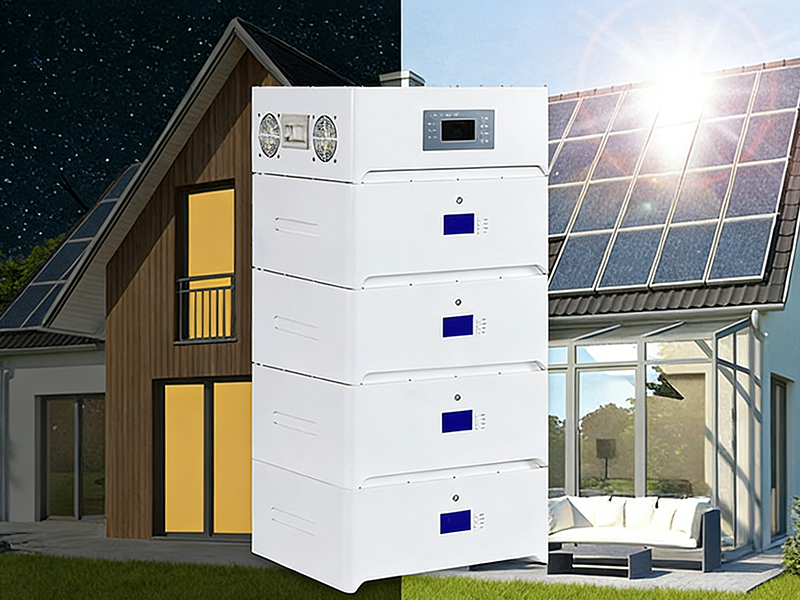
The heart of this system lies in its components. Monocrystalline panels with 21-23% efficiency are the industry standard, offering the highest yield per square foot. However, the true differentiator is the inverter architecture. A 40kW system typically uses either three 15kW string inverters or a single hybrid unit with multiple MPPT trackers to handle partial shading. The battery bank is the crown jewel: lithium iron phosphate (LiFePO4) cells, often configured as 20 to 30 kWh modules, are stacked to 60-120 kWh of usable storage. This capacity bridges two to three days of autonomy during overcast weather.
| Component | Specification | Typical Quantity | Lifespan (Years) |
|---|---|---|---|
| Solar Panels | 400-500W Monocrystalline | 100-130 Units | 25-30 |
| Hybrid Inverter | 10-15kW per Unit | 3 Units | 10-15 |
| LiFePO4 Battery | 5-15 kWh Modules | 8-12 Modules | 10-15 |
| Charge Controller | MPPT 100A | 4-6 Units | 10-12 |
Designing an Off-Grid System: Load Assessment and Energy Independence
Off-grid design demands ruthless load auditing. Every appliance must be cataloged, from the 5,500W tankless water heater to the 1,200W refrigerator compressor. The critical calculation is peak simultaneous demand—the moment when the AC kicks on while the oven preheats and the EV charger pulls 11kW. A 40kW inverter capacity handles this momentary surge, but the battery discharge rate (C-rate) must support it. For true independence, designers implement load-shedding logic: non-essential circuits like the pool pump can be temporarily de-rated during battery low states. The result is a home that operates identically to grid-tied living, minus the monthly bill.

Cost Breakdown and Return on Investment for a 40kW Setup
The financial landscape is stark but rewarding. A complete 40kW off-grid installation—panels, batteries, inverters, wiring, and permits—ranges from $85,000 to $130,000 before incentives. The battery bank alone accounts for 40% of this cost. However, the math shifts favorably over time. With a displaced electric bill of $600 to $900 monthly (including demand charges and delivery fees), the payback period sits between 11 and 15 years. Federal tax credits (30% under current legislation) and state-level rebates can compress that to 8 years. The real value emerges after year 15: pure energy independence with zero fuel cost.
Installation Challenges, Maintenance, and Future-Proofing
This scale of system is not a weekend DIY project. Structural engineering for roof loads, trenching for DC cable runs, and utility approval (even for off-grid, interconnection agreements may be required) demand licensed professionals. Maintenance is modest but non-negotiable: quarterly panel cleaning in dusty climates, annual torque checks on battery terminals, and thermal imaging of inverter connections every two years. Future-proofing involves selecting components with expandable architecture—batteries that accept additional modules and inverters with firmware-upgradable smart features. As bidirectional charging becomes standard, this 40kW system positions the homeowner to sell excess capacity back to neighbors or the grid, transforming the estate into a micro-power plant.