
Understanding Off-Grid Solar Systems
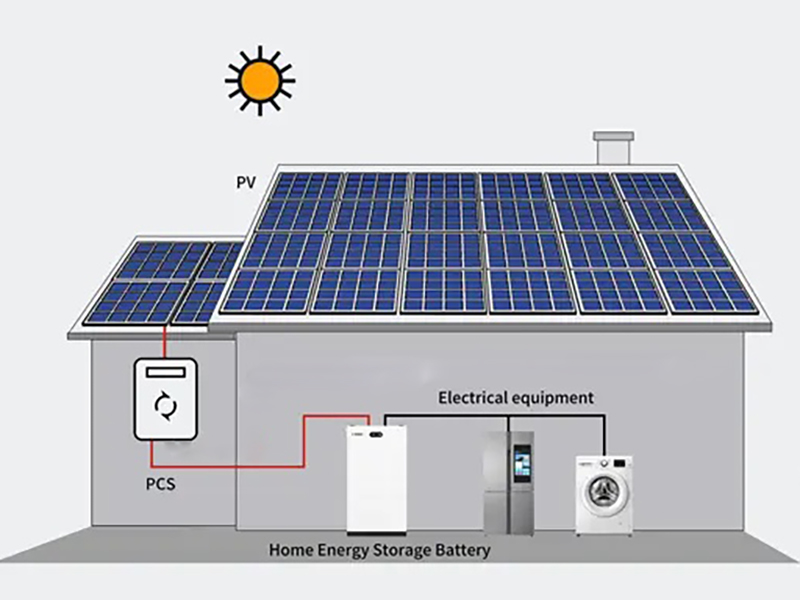
Off-grid solar systems are not merely a backup plan; they represent a complete declaration of independence from the utility grid. For homeowners, this means generating, storing, and consuming electricity entirely on their own terms. Unlike grid-tied systems that shut down during outages for safety, an off-grid setup provides true energy sovereignty. This autonomy is particularly critical in rural areas where grid extension costs are prohibitive, or for those who simply refuse to be held hostage by rising electricity rates and aging infrastructure. The core premise is simple: capture sunlight during the day, store it in batteries, and use it whenever you need it. However, the engineering behind this seamless transition is where the value of a specialized manufacturer becomes non-negotiable.
Why Choose OEM Manufacturer Direct
The most compelling argument for buying directly from an Original Equipment Manufacturer (OEM) is the elimination of the middleman markup. Retailers and distributors typically add a 30% to 50% premium to cover their logistics and profit margins. When you purchase direct, you pay for the hardware and the engineering, not the shelf space. Furthermore, an OEM offers a level of technical accountability that aggregators cannot match. If a component fails, you are dealing with the entity that designed and built it, not a customer service agent reading from a script. This direct line of communication often results in faster troubleshooting and more accurate warranty claims.
Critics argue that dealing with an overseas OEM introduces shipping delays and communication barriers. Yet, in the current global market, most major solar brands are already manufactured in the same facilities. Buying direct simply cuts out the branding overlay. You are not sacrificing quality; you are stripping away the cosmetic rebranding that doubles the price. For a homeowner, this direct relationship often allows for tailored system sizing based on specific latitude, weather patterns, and load calculations, rather than forcing a generic "one-size-fits-all" kit.
Key Components and Customization Options
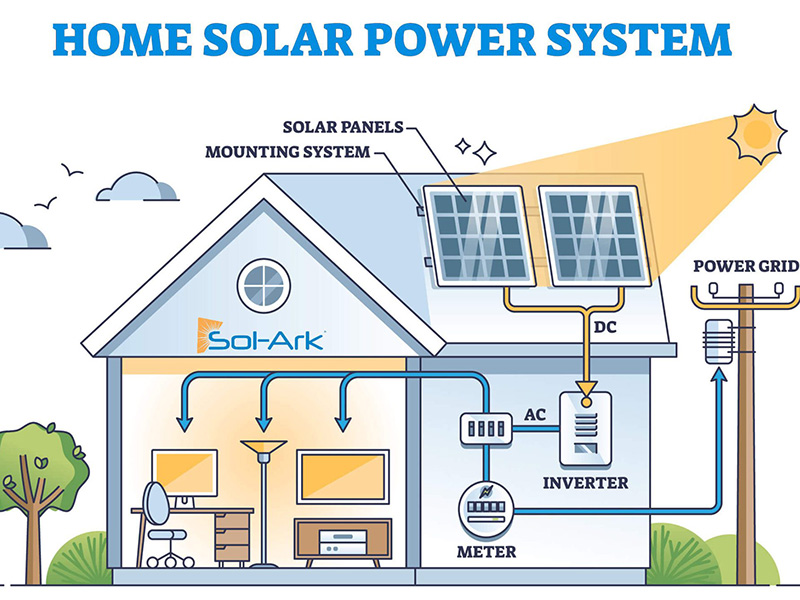
A standard off-grid system is more than just panels and a battery. It requires a sophisticated chain of components that must be perfectly matched. The main pillars include solar panels, a charge controller, an inverter, and a battery bank. The customization options here are vast, but they require expert guidance.
| Component | Function | Customization Variable |
|---|---|---|
| Solar Panels | Capture sunlight | Monocrystalline vs. Polycrystalline |
| Charge Controller | Regulates battery voltage | MPPT vs. PWM (efficiency) |
| Inverter | Converts DC to AC power | Pure Sine Wave vs. Modified |
| Battery Bank | Stores energy | Lithium-Ion vs. Lead-Acid |
| Monitoring System | Tracks performance | Wi-Fi vs. Cellular remote access |
While lithium-ion batteries offer a longer lifespan and deeper discharge capabilities, they come at a premium price. A reputable OEM will not upsell you on the most expensive option; instead, they will analyze your daily consumption patterns to determine if a lead-acid bank with a higher capacity is more cost-effective for your seasonal usage. The ability to mix and match these components—such as pairing a high-end MPPT controller with a budget-friendly panel array—is a flexibility that only a manufacturer with a full catalog can provide.
Installation and Maintenance Considerations
The DIY installation of an off-grid system is often romanticized, but the reality is that electrical safety and system efficiency hinge on proper setup. While an OEM cannot physically install the system for you across the ocean, they provide pre-drilled mounting points, labeled wiring harnesses, and detailed schematics that simplify the process. However, the critical advice here is to avoid cutting corners on the DC side of the system. A loose connection in a high-voltage array can cause arc faults and fires.
Maintenance is a trade-off. Off-grid systems are not "set and forget." Battery banks, particularly lead-acid, require periodic water level checks and terminal cleaning. On the other hand, the absence of grid dependency means you are immune to grid frequency fluctuations and brownouts, which often damage sensitive electronics in grid-tied homes. The true maintenance cost is the mental effort of monitoring your consumption. You must become acutely aware of how much power your appliances draw, as a continuous draw of 1,500W will drain a substantial battery bank overnight.