
The first time the lights flickered and died during a brutal summer storm, I sat in the dark with a dead phone and a sinking feeling. That night, as the hum of the neighborhood generator faded into silence, I realized our modern comfort was tethered to a fragile grid. The journey to whole-home backup power began not with a technical manual, but with a simple, stubborn question: could we keep the lights on, no matter what?
Understanding Solar Battery Storage Systems
Key Benefits of Whole-Home Backup Power
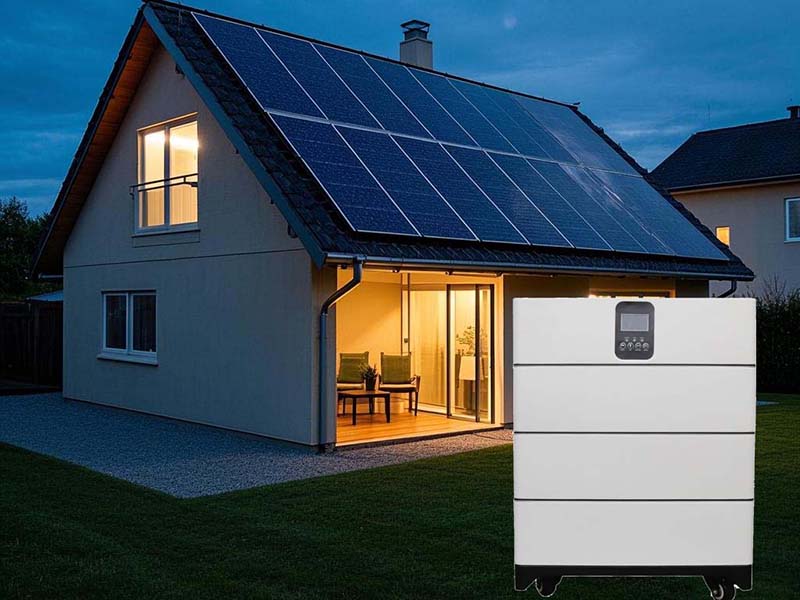
The value proposition extends far beyond emergency preparedness. In regions plagued by rolling blackouts or wildfire shutoffs, a solar battery transforms your home into an island of resilience. You gain true energy independence, untethering yourself from rate hikes and grid instability. There is also an environmental angle: by maximizing your solar self-consumption, you reduce reliance on fossil-fuel peaker plants that fire up during evening demand spikes. And unlike a noisy, fuel-guzzling generator, a battery system operates in near silence, requires no refueling, and produces zero emissions. Imagine hosting a dinner party during a blackout, the lights warm and steady, the oven still roasting, while your neighbors sit in candlelit frustration.
Sizing Your Solar Battery System
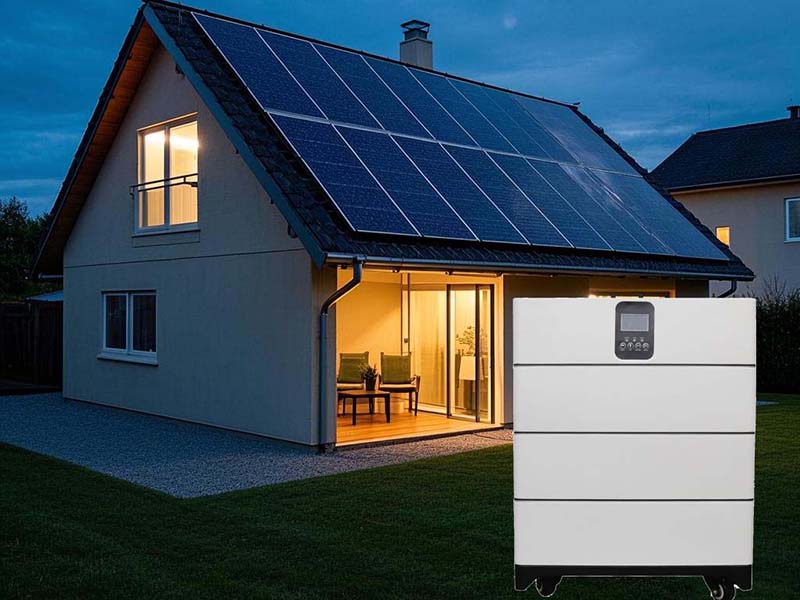
Choosing the right capacity requires a careful audit of your household’s energy appetite. I started by reviewing our utility bills for a full year, calculating our average daily usage—roughly 30 kilowatt-hours. The critical metric is *usable capacity*, not the raw battery size. A 13.5 kWh Powerwall, for instance, offers about 90% usable capacity, enough to power essential circuits for 12–18 hours. But “whole-home” backup means supporting heavier loads like electric water heaters, HVAC systems, and EV chargers. To size correctly, you must define your “essential loads” versus your “luxury loads”. Many homeowners opt for a hybrid approach: backing up the entire panel but programming the system to shed non-critical circuits during extended outages.
| Key Specification | Entry-Level (10 kWh) | Mid-Range (20 kWh) | Whole-Home (30+ kWh) |
|---|---|---|---|
| Typical Daily Output | 8–12 kWh | 16–24 kWh | 28–40 kWh |
| Recommended Solar Array | 4–6 kW | 8–10 kW | 12+ kW |
| Backup Duration (Essential Loads) | 6–12 hours | 24–48 hours | 2–4 days |
| Approximate Installed Cost | $12,000–$16,000 | $20,000–$28,000 | $35,000–$50,000 |
Installation and Maintenance Considerations
The installation process typically takes one to two days, but the planning phase is crucial. First, your roof’s solar array must be sized to *over-produce* by 20–30% to keep the battery charged during cloudy stretches. Second, you need a transfer switch or sub-panel to isolate critical circuits. The physical placement of the battery matters too—it should be in a climate-controlled space, away from direct sunlight and freezing temperatures. Maintenance is refreshingly minimal: most systems require zero routine upkeep beyond a visual inspection and occasional software updates. The batteries themselves are rated for 10,000 cycles or roughly 15–20 years of daily use, and they degrade gracefully, losing only about 2% capacity per year.