
The first time the lights flickered and died during a summer storm, I was hunched over a laptop, watching the battery icon drain like sand through an hourglass. That night, as I fumbled for candles, I realized the modern home is not just a shelter—it is a living organism powered by electricity. Refrigerators hum, routers blink, and medical devices whisper in the dark. When the grid fails, the silence feels like a held breath. This is the moment whole-home backup power transforms from a luxury into a necessity, and behind every seamless transition from grid to battery lies the quiet engineering of an OEM energy storage factory.
Understanding Whole-Home Backup Power Needs
A whole-home system does not simply power a few lamps; it shoulders the entire electrical load of a household. During a blackout, the average home draws anywhere from 5 to 20 kilowatts, depending on whether you are running a heat pump, an electric vehicle charger, or just essential circuits. The key is not raw capacity alone—it is the duration of autonomy. A family in Texas might need eight hours for a hurricane, while a household in Michigan may require three days of snowstorm coverage. Load profiling, therefore, becomes the first conversation. The OEM factory listens to your daily consumption curves, identifies peak surges from appliances like microwaves and sump pumps, and then maps out a battery bank that matches both your peak demand and your patience for recharging.
OEM Energy Storage Factory Capabilities and Technologies
Walking through an OEM energy storage factory is like stepping into a cathedral of precision. Rows of lithium iron phosphate cells are assembled with robotic arms that place each prismatic cell to within a millimeter of tolerance. The factory does not just stack batteries; it engineers the entire architecture—battery management systems that balance cell voltages in milliseconds, thermal management plates that keep temperatures stable even when the garage hits 120°F, and inverters that switch from grid to battery in under 20 milliseconds. Some factories now employ solid-state testing chambers where every unit undergoes 500 charge-discharge cycles before shipping. The result is a system with a 10-year warranty and a 90% capacity retention rate—numbers that would have seemed fantasy a decade ago.
Customization and Integration for Seamless Home Power
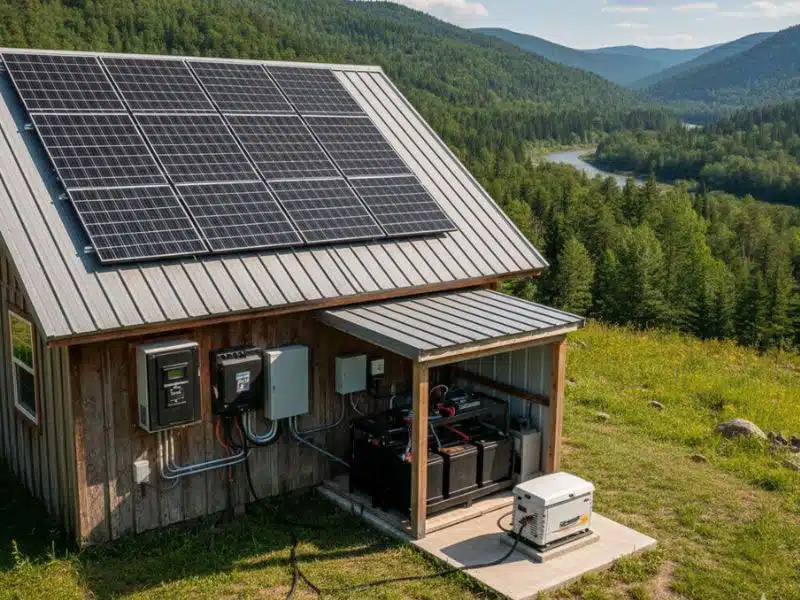
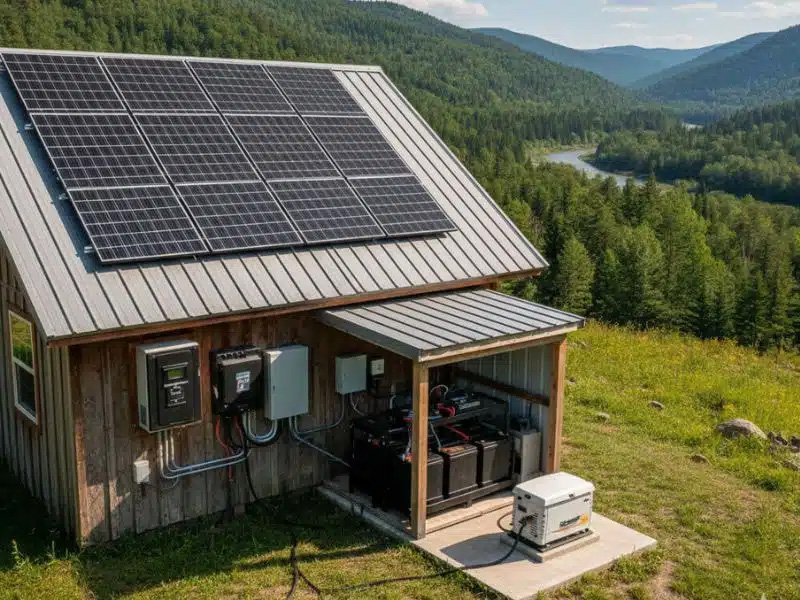
No two homes are identical, and the OEM factory embraces this chaos. For a ranch-style house with a solar array, the factory integrates a hybrid inverter that prioritizes solar during the day and battery at night. For a suburban home with a generator, the system can be configured to start the generator only if the battery dips below 20%, saving fuel and noise. The physical design also varies—some units are slim towers meant for laundry rooms, others are weatherproof cabinets for outdoor mounting. Integration goes beyond hardware. Smart home protocols like Zigbee and Wi-Fi allow the system to communicate with thermostats and EV chargers, automatically shedding non-critical loads during peak hours. The factory even offers custom colors and branding, turning a utility box into a design statement.
| Feature | Standard Unit | Custom Unit | Premium Unit |
|---|---|---|---|
| Capacity Range | 10-15 kWh | 15-20 kWh | 20-30 kWh |
| Peak Output | 5 kW | 7.5 kW | 10 kW |
| Inverter Type | Hybrid | Hybrid + Generator | Hybrid + EV Charger |
| Warranty | 8 years | 10 years | 12 years |
| Smart Home Compatibility | Basic | Advanced | Full Suite |
Cost, Efficiency, and Environmental Benefits
The upfront cost of a whole-home system hovers between $15,000 and $30,000, but the long-term arithmetic is compelling. With time-of-use billing, the system charges during off-peak hours at $0.10 per kWh and discharges during peak at $0.35 per kWh, yielding a payback period of five to seven years. Efficiency is not just financial; the round-trip efficiency of modern lithium iron phosphate systems reaches 95%, meaning only 5% of energy is lost in the charge-discharge cycle. Environmentally, each system offsets approximately 3.5 tons of CO2 annually when paired with solar. The factory also designs for second-life applications—after 15 years in a home, the battery modules can be repurposed for grid storage, extending their useful life by another decade.