
Why Home Battery Backup is Essential
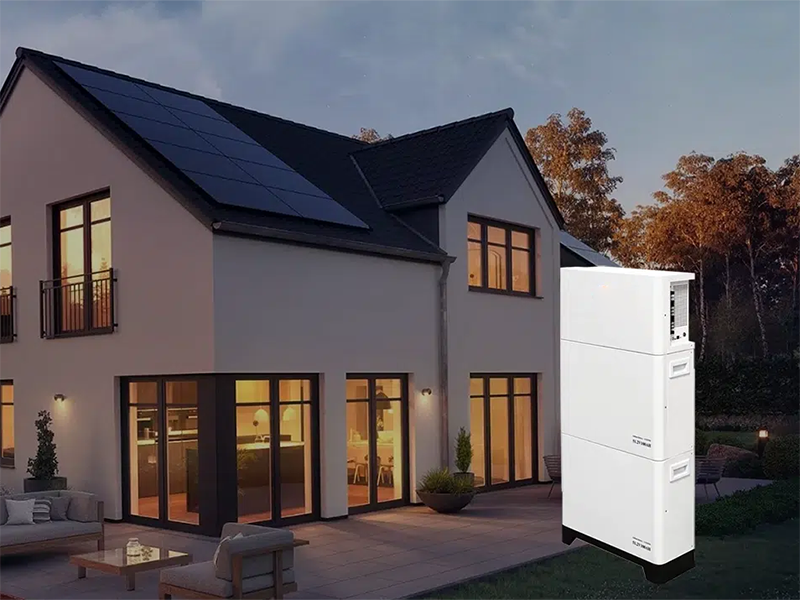
Relying solely on grid power is a gamble in an era of extreme weather and aging infrastructure. When the grid fails, a solar battery system transforms your rooftop panels from a daytime-only energy source into a round-the-clock lifeline. The core value proposition isn’t just saving money—it’s resilience. Without storage, a grid-tied solar array shuts down during an outage for safety reasons, leaving you in the dark despite generating free power. A battery bridges that gap, powering critical loads like refrigeration, medical devices, and Wi-Fi routers. Moreover, it enables time-of-use arbitrage: charge during cheap solar hours, discharge during peak evening rates, slashing utility bills by up to 40% in high-cost states like California. This isn’t a luxury; it’s a strategic hedge against both blackouts and rising electricity prices.
Types of Solar Batteries: Pros and Cons
Not all batteries are created equal, and the chemistry dictates performance, safety, and cost. Lithium-ion (specifically LFP) dominates the residential market due to its high energy density, 80% depth of discharge (DoD), and 10+ year lifespan. It’s compact, maintenance-free, and handles daily cycling well—but it carries a premium price tag. Lead-acid (flooded or sealed) is the budget option, costing 60% less upfront, yet it suffers from a shallow 50% DoD, shorter 5-7 year life, and requires ventilation. Flow batteries (vanadium or zinc) offer unlimited cycling and 100% DoD, ideal for daily heavy use, but their bulky footprint and high upfront cost make them a niche choice. Nickel-manganese-cobalt (NMC) provides high power output but has a faster degradation rate and higher thermal runaway risk than LFP. Your choice hinges on whether you prioritize upfront savings, longevity, or sheer cycling capacity.
| Battery Type | Depth of Discharge | Lifespan (Years) | Upfront Cost | Best For |
|---|---|---|---|---|
| LFP (Lithium) | 80-90% | 10-15 | High | Daily cycling, safety |
| Lead-Acid | 50% | 5-7 | Low | Occasional backup |
| Flow | 100% | 20+ | Very High | Heavy daily use |
| NMC | 80% | 8-10 | High | High power draw |
How to Size and Choose the Right System
Installation, Costs, and Incentives
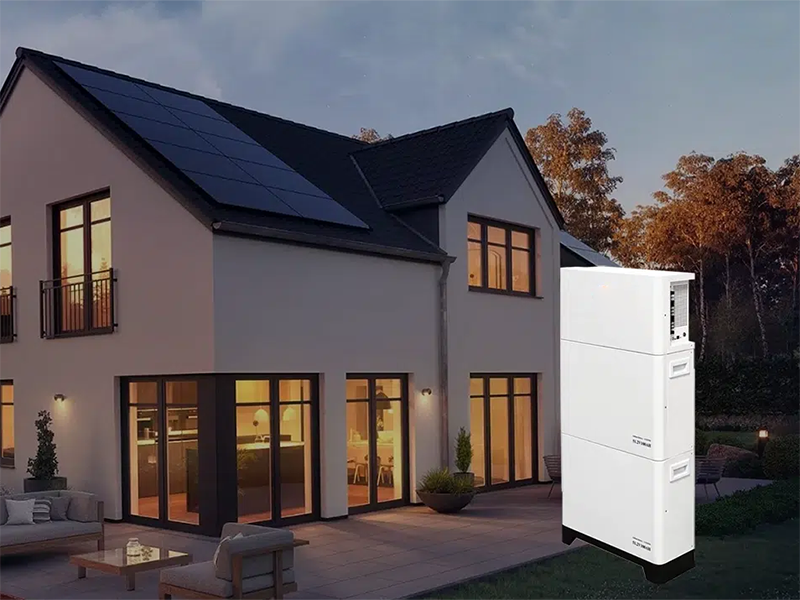
Installation complexity varies wildly: a simple AC-coupled retrofit of a single battery takes a day, while a DC-coupled whole-home system with sub-panels and smart load management can take three days. The average installed cost in 2025 ranges from $1,000 to $1,500 per kWh—a 13.5 kWh Tesla Powerwall lands around $15,000 including labor. However, the effective cost drops sharply with incentives. The federal Investment Tax Credit (ITC) covers 30% of the total cost with no cap, and state-level programs like California’s SGIP offer an additional $200-$1,000 per kWh for low-income households. Don’t ignore utility rebates: many utilities offer $500-$2,000 for adding storage to existing solar. Financing options like 0% APR loans or battery-as-a-service leases lower upfront barriers, but they lock you into 10-15 year contracts—weigh the total interest against the savings.