
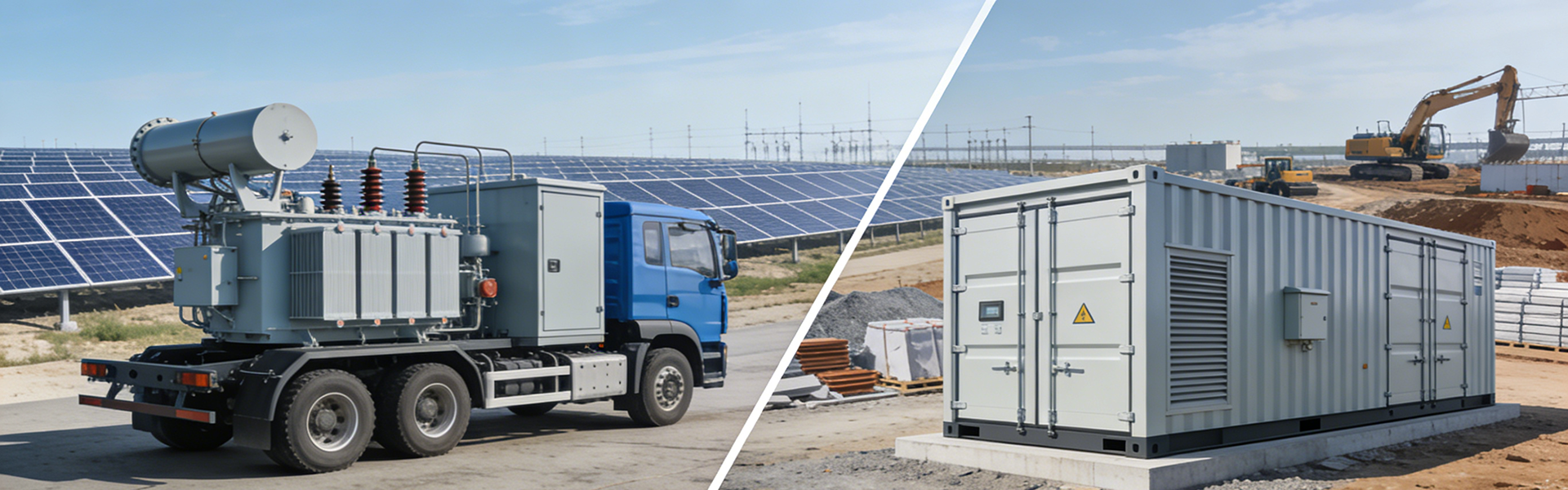
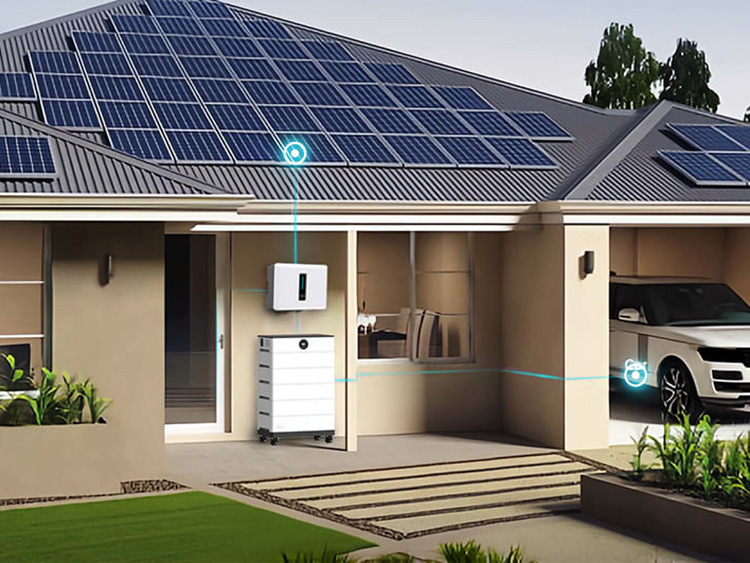
Why Residential Battery Storage is Key to Energy Independence
Energy independence is no longer a fringe concept but a pragmatic response to volatile utility rates and grid instability. Residential battery storage acts as the critical bridge between intermittent renewable generation—primarily solar—and a household’s continuous power demand. Without storage, a solar array exports surplus energy during peak sun hours and forces homeowners to buy expensive electricity at night. By capturing that excess, batteries shift consumption patterns, reducing grid reliance by up to 90% in well-designed systems. This shift not only insulates households from tariff hikes but also provides resilience during blackouts, which are increasing in frequency due to extreme weather. Consequently, storage transforms a home from a passive consumer into an active energy manager, making independence a tangible, controllable asset.
Top Battery Technologies: Lithium-ion, Flow, and Lead-Acid Compared
The technological landscape for residential storage is dominated by three chemistries, each with distinct trade-offs. Lithium-ion (Li-ion)—specifically lithium iron phosphate (LFP)—has become the default choice due to its high energy density, 80%+ usable capacity, and cycle life exceeding 6,000 cycles. Flow batteries, while offering unlimited cycle life and deep discharge capability, remain niche because of high upfront costs and larger footprints, making them impractical for most urban homes. Lead-acid, the legacy option, is cheaper initially but suffers from a short lifespan (500–1,000 cycles) and requires regular maintenance, often resulting in a higher cost-per-cycle over a decade. The table below summarizes the critical differentiators for a typical 10 kWh system:
| Technology | Cycle Life (at 80% DoD) | Usable Capacity | Cost per kWh (Installed) | Maintenance |
|---|---|---|---|---|
| Li-ion (LFP) | 6,000–8,000 | 90–100% | $800–$1,200 | Minimal |
| Flow (Vanadium) | 20,000+ | 100% | $1,500–$2,000 | Moderate |
| Lead-Acid (AGM) | 500–1,000 | 50% | $300–$500 | High |
The data clearly shows that while Li-ion commands a moderate premium, its longevity and efficiency deliver superior lifetime value. For most residential applications, the practical choice is Li-ion, with flow batteries reserved for off-grid properties where space is abundant.
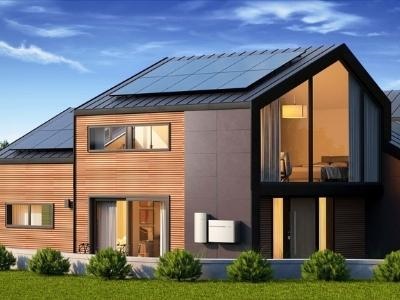
Leading Brands and Models for Home Energy Storage
The market has consolidated around a few proven players, each offering differentiated software and hardware ecosystems. Tesla Powerwall 3 leads in integrated simplicity, featuring a built-in inverter and 13.5 kWh usable capacity, ideal for retrofit solar systems. Enphase IQ Battery 5P excels in modularity and per-module efficiency (3.5 kWh each), allowing granular system scaling and superior microgrid functionality. LG Energy Solution Prime offers robust performance with a 16 kWh capacity and a 10-year warranty, though its proprietary inverter may limit flexibility. Conversely, Sonnen ecoLinx targets premium customers with AI-driven energy optimization, but its cost per kWh is nearly double the industry average. For budget-conscious buyers, BYD Battery-Box Premium provides reliable LFP chemistry at a lower price point, albeit with fewer smart-home integrations. The selection ultimately hinges on whether the homeowner prioritizes ecosystem integration, expandability, or initial cost.
Sizing and Installation Considerations for Optimal Performance
Correctly sizing a battery is more nuanced than matching solar array capacity. A standard heuristic is to size storage for 1.5 to 2 times the average daily essential load—refrigerator, lighting, and medical devices—to ensure overnight coverage. However, factors like winter solar generation (often 30–40% lower) and electric vehicle charging must be weighted. Installation also dictates performance: DC-coupled systems (common with Enphase) avoid double inversion losses, achieving 97% round-trip efficiency, whereas AC-coupled systems (e.g., Powerwall) lose 5–10% due to dual conversions. Additionally, thermal management is critical; Li-ion cells degrade faster in unventilated garages, so installations should maintain an ambient temperature between 0°C and 45°C. Finally, local electrical codes and permit processes can extend project timelines by 4–8 weeks, a variable often underestimated.