
Understanding Off-Grid Solar Systems and Battery Storage
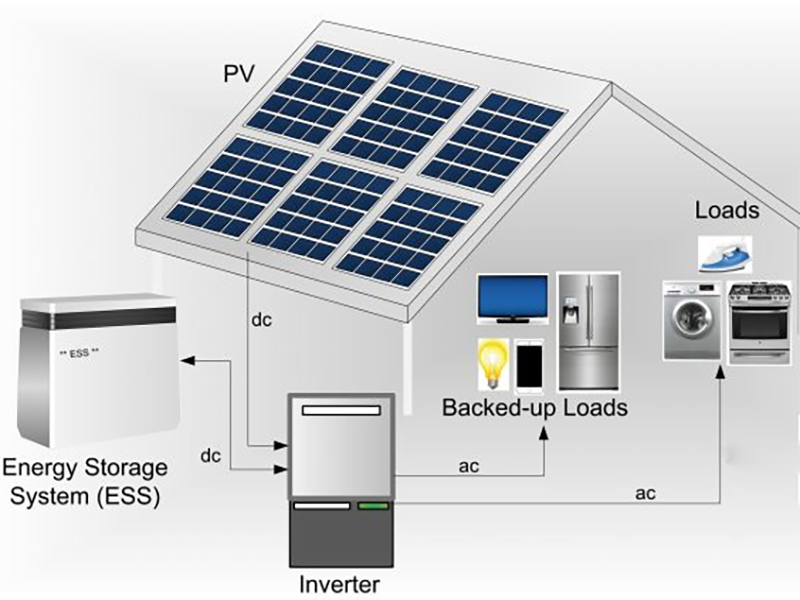
Off-grid solar systems are not merely a trend; they are a decisive break from the utility grid’s monopoly. At their core, they require a delicate balance between generation and consumption. The battery bank is the heart of this operation, storing excess daytime energy for nighttime use. Without it, your solar panels are just an expensive daytime-only appliance. This independence, however, demands a shift in mindset: you are no longer a passive consumer but the active manager of your own power plant. The grid’s reliability is swapped for your system’s resilience, a trade that requires rigorous planning.
Sizing Your Solar Battery Bank: Key Factors and Calculations
Choosing the Right Batteries: Types, Costs, and Lifespan
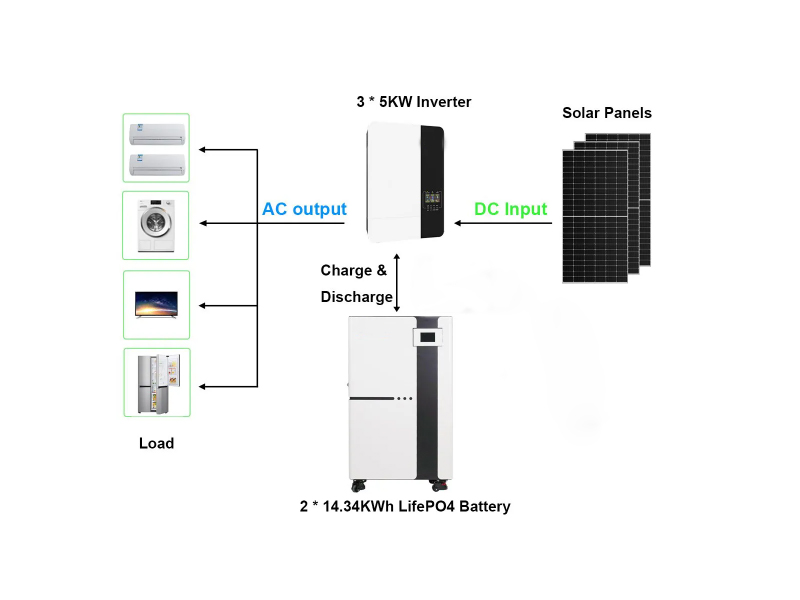
The battery chemistry choice is a battle between upfront cost and long-term value. Lead-acid batteries are the budget champion with a lower initial price but a shorter lifespan (500-800 cycles) and a strict 50% DoD limit. Lithium-iron-phosphate (LiFePO4) is the premium contender, boasting 5,000+ cycles, a 90% DoD, and significantly less maintenance, but at double or triple the cost. While lead-acid wins in the short term, lithium’s cost per cycle over its lifetime often makes it the smarter investment for permanent residence.
| Feature | Lead-Acid (AGM) | LiFePO4 |
|---|---|---|
| Upfront Cost (per kWh) | $150 - $250 | $400 - $700 |
| Lifespan (Cycles at 80% DoD) | 500 - 800 | 3,000 - 5,000 |
| Usable Capacity (DoD) | 50% | 80-90% |
| Maintenance Needs | High (watering, venting) | Minimal (plug-and-play) |
Installation, Safety, and Maintenance Best Practices
Safety is non-negotiable. Amateur installation of a high-voltage DC bank can be lethal, and fire risk from improper wiring is a genuine threat. Always use properly rated breakers and fuses between every component. Battery ventilation is critical, especially for lead-acid which emits explosive hydrogen gas. For maintenance, a lithium system is largely "set and forget," while lead-acid demands monthly checks of specific gravity and terminal corrosion. Furthermore, your charge controller must be correctly programmed for your battery type; a mismatched algorithm will silently destroy your bank within months. It is a system that rewards meticulousness and punishes negligence.
Real-World Benefits and Challenges of Going Off-Grid
The prize is true energy sovereignty, immunity from grid failures and price hikes. There is an undeniable satisfaction in powering your life entirely from the sun, a daily act of environmental stewardship. Yet, the challenges are formidable. The initial capital outlay is heavy, and you must accept a lifestyle of conscious consumption. Seasonal weather fluctuations can force you to run a backup generator, introducing fuel costs and complexity. Moreover, resale value of an off-grid home is often lower than grid-tied counterparts, as buyers fear the system’s complexity. The decision, therefore, is not purely financial but deeply philosophical—a commitment to self-reliance that demands both wallet and willpower.