
Why Home Solar with Battery Storage Makes Sense
Critics still argue that solar panels are a luxury for the wealthy, but the math has flipped decisively. With electricity rates climbing steadily, a home PV system with battery storage is no longer an environmental statement—it’s a financial hedge. The real advantage lies in energy independence: you generate power during the day, store the surplus, and draw on it at night when grid prices spike. This shifts you from being a passive rate-payer to an active power manager.
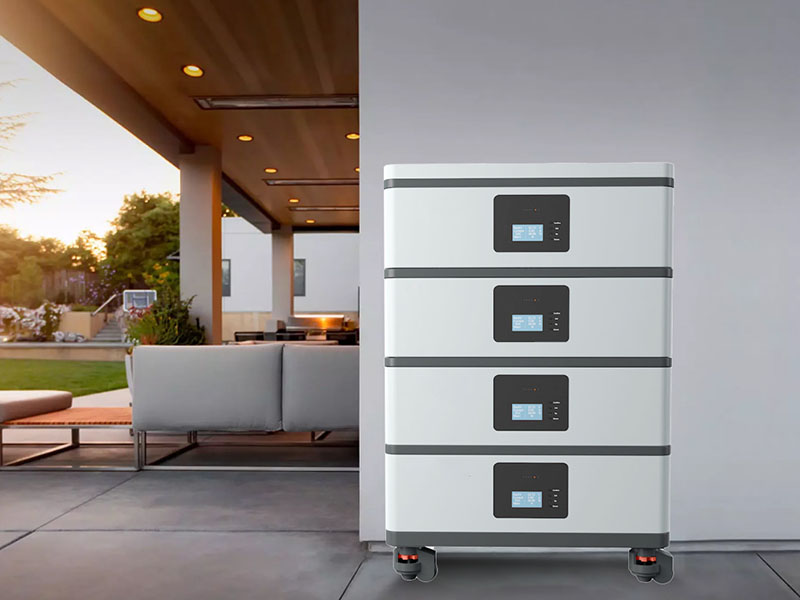
Moreover, battery storage turns your home into a micro-resilience hub during outages. While a grid-tied system without batteries shuts down for safety, a PV-plus-storage setup keeps your refrigerator humming and your Wi-Fi alive during blackouts. That resilience has tangible value—particularly in regions plagued by storms or aging grid infrastructure. The question isn’t whether solar makes sense; it’s whether you can afford to stay vulnerable.
Key Components of a PV Storage System
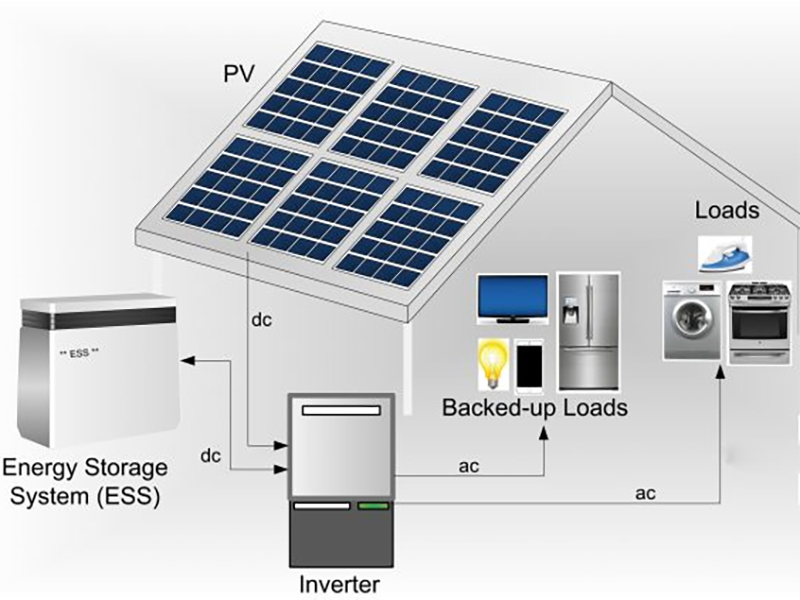
Understanding the anatomy of a system prevents costly mistakes. At the core are solar panels (PV modules), which convert sunlight into DC electricity. That power flows to an inverter, which transforms DC into AC for home use. The battery bank—typically lithium-ion—stores excess energy, and a charge controller regulates the flow to prevent overcharging. Finally, a smart meter or monitoring system tracks production and consumption in real time.
| Component | Function | Typical Lifespan | Cost Range (USD) | Maintenance Level |
|---|---|---|---|---|
| Solar Panels | Convert sunlight to DC | 25-30 years | $8,000-$15,000 | Low |
| Inverter | DC to AC conversion | 10-15 years | $1,000-$3,000 | Medium |
| Battery Bank | Store excess energy | 10-15 years | $6,000-$12,000 | Low |
| Charge Controller | Regulate battery charging | 10-15 years | $500-$1,500 | Low |
| Monitoring System | Track output and usage | 10+ years | $300-$800 | Very Low |
How to Size Your Solar and Battery System
Sizing errors—either undersizing or overbuilding—are the most expensive mistakes homeowners make. Start with your average daily kilowatt-hours (kWh) from past utility bills. A typical American home uses 30 kWh per day, but your number dictates the panel count and battery capacity. Next, consider your critical loads during outages: fridge, lights, medical devices. These determine battery size, not your entire house consumption.
A pragmatic formula: divide daily usage by peak sun hours (usually 4-5 in sunny states) to get the required kW array size. For batteries, multiply your critical load wattage by the hours of backup you want, then add a 20% buffer for inefficiency. Resist the urge to max out capacity—oversizing extends payback period and wastes money. Conversely, undersizing forces grid dependence, defeating the purpose of storage.
Costs, Incentives, and Payback Period
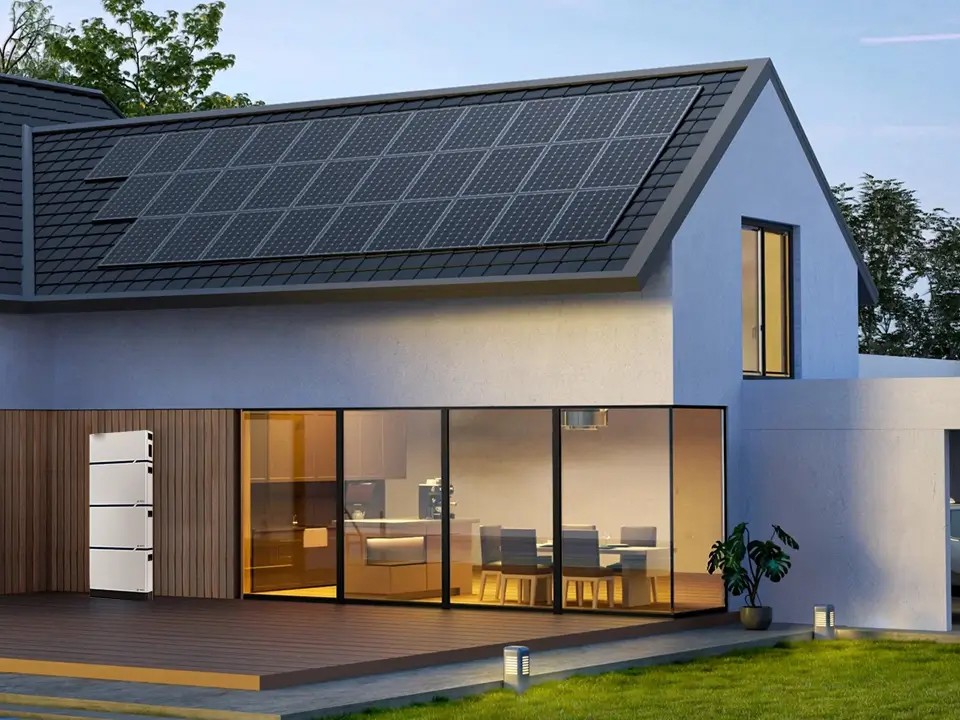
The upfront price tag still shocks many, but long-term economics favor the patient investor. A complete system with battery storage typically runs between $18,000 and $35,000 before incentives. However, the federal Investment Tax Credit (ITC) offers 30% back, and many states add their own rebates. Some utilities even offer net metering, crediting you for surplus energy sent to the grid—an additional revenue stream.
Payback periods vary wildly: in high-electricity states like California, a system can pay for itself in 5-7 years; in low-rate regions, it stretches to 10-12 years. The hidden advantage is inflation protection—your energy cost becomes fixed while utility rates climb 3-5% annually. Factor in increased home resale value (studies show a $15,000 premium for homes with solar), and the ROI becomes compelling even without green idealism.
Installation and Maintenance Tips
Installation quality determines system longevity, so hire certified professionals who can handle permits, grid interconnection, and roof integrity. A poorly mounted array can void warranties and cause leaks. For placement, south-facing roofs with a 30-degree tilt maximize yield—but east-west layouts work too if you use optimizers. Avoid shaded areas; even partial shading cripples production.
Maintenance, fortunately, is minimal. Wash panels twice a year (or rely on rain) to remove dust and bird droppings. Check battery state-of-charge monthly via the monitoring app, and ensure vents aren’t obstructed. Inverter cooling fans need quarterly dust removal. Batteries require no water refills (lithium-ion), but extreme temperatures degrade them—install in a garage or shaded exterior wall. The system’s longevity is directly proportional to your vigilance, so don’t ignore warning alerts.