
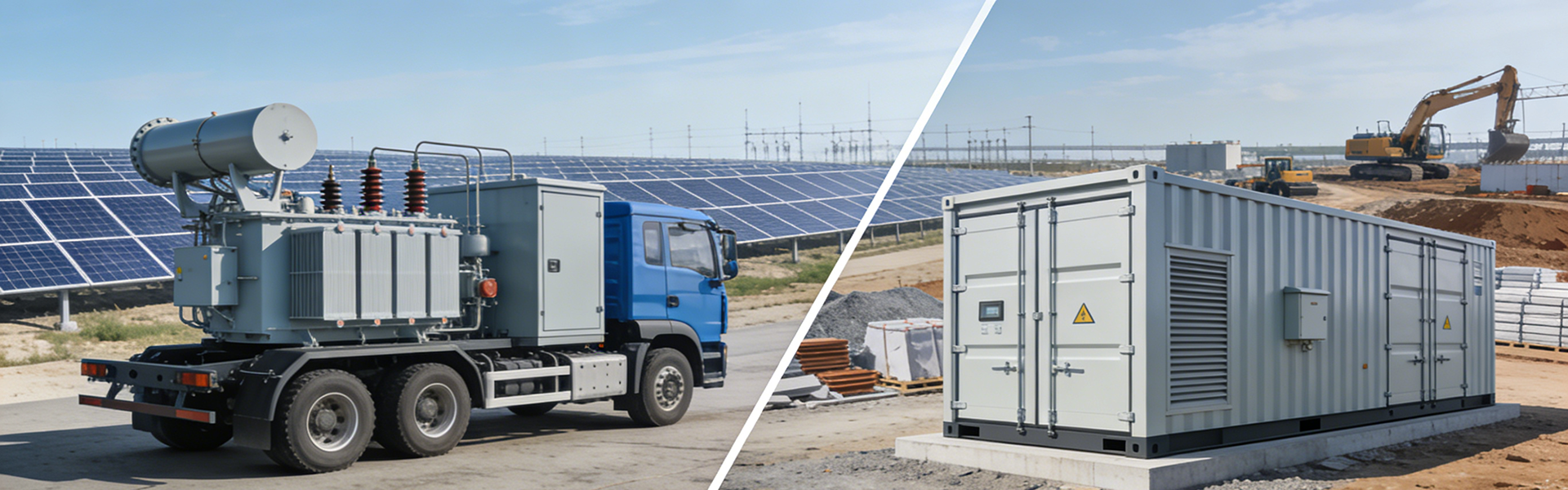

Why Choose OEM Direct Pricing for Solar Systems
The residential solar market is flooded with middlemen—retailers, distributors, and installers who each tack on their own margin. By the time a system reaches your rooftop, you might be paying 30-50% above the factory floor cost. Buying directly from an Original Equipment Manufacturer (OEM) cuts through this parasitic chain. You are not just getting a lower price; you are getting a transparent one. The OEM has a direct incentive to maintain quality because their reputation—and warranty liability—is on the line, not a faceless reseller's.
Key Components and Quality Assurance in OEM Manufacturing
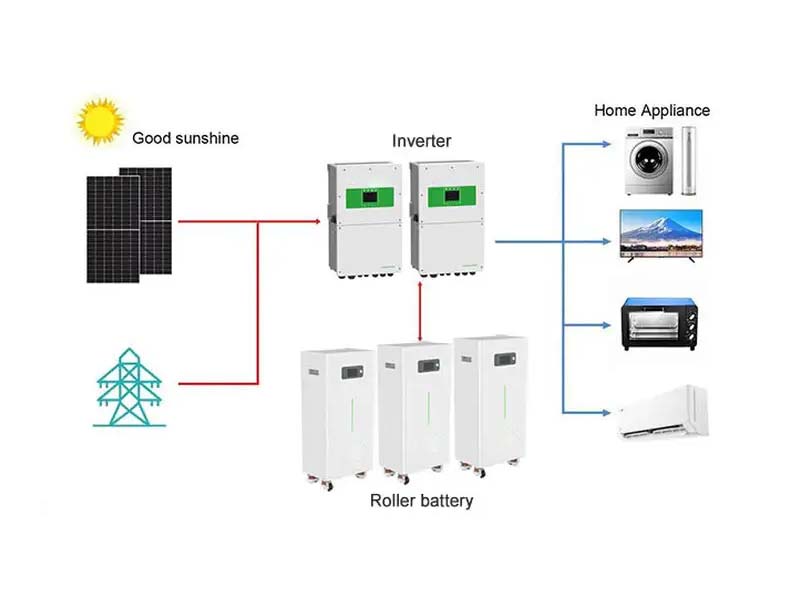
Cost Breakdown: How Direct Sourcing Saves You Money
Let's debunk the myth that "direct" means "cheap but risky." In reality, the savings come from eliminating three specific cost layers: retail markup (typically 15-25%), distribution logistics fees (5-10%), and sales commissions (10-15%). An OEM can offer a high-efficiency 6kW system with micro-inverters for roughly $1.80 per watt, whereas the same configuration through a local dealer often exceeds $2.50 per watt. The table below illustrates the typical cost divergence for a standard 5kW residential setup:
| Cost Component | Retail Channel Price | OEM Direct Price | Savings |
|---|---|---|---|
| Solar Panels (20x 400W) | $4,200 | $2,800 | $1,400 |
| Inverter + Optimizers | $1,500 | $1,000 | $500 |
| Racking & Wiring | $800 | $500 | $300 |
| Shipping & Handling | $600 | $350 | $250 |
| Total System Cost | $7,100 | $4,650 | $2,450 |
That $2,450 difference is not a discount—it's your money that was previously padding someone else's overhead.
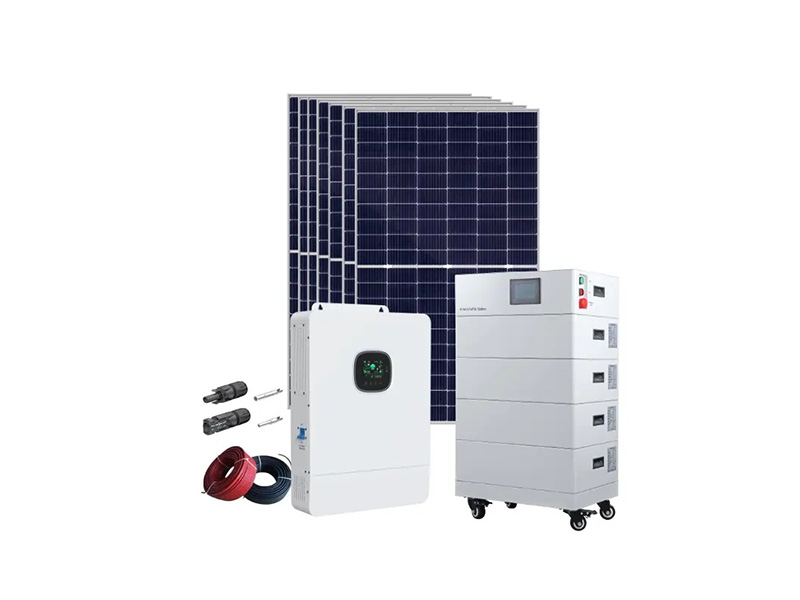
Customization Options for Residential Solar Solutions
OEMs offer a level of flexibility that retailers simply cannot match. Need a 48V battery system with a hybrid inverter for off-grid backup? Done. Want panels with a specific black-on-black aesthetic to match your roof tiles? The factory can adjust the frame color and glass texture. More importantly, OEMs can pre-configure the system's voltage architecture to optimize for your local grid conditions, whether you face frequent voltage spikes or low irradiance in winter. This is not "bespoke" luxury; it's engineering tailored to reality, not to a sales brochure.
Steps to Purchase and Install an OEM Solar System
The process is simpler than most fear. First, calculate your average daily consumption from your power bills. Second, contact the OEM directly with your roof dimensions and shading profile—most reputable factories have engineering teams that will design a layout for free. Third, request a detailed quote that includes component specs, warranty terms (look for 25-year performance warranties), and freight costs. Finally, hire a certified local electrician for installation; the OEM will provide wiring diagrams and remote technical support. The key is to verify the OEM's credentials via bank references and existing export records—a legitimate factory will happily share these. The result is a premium system at a wholesale price, with full technical accountability.