

The hum of the refrigerator is a constant, unnoticed companion—until the lights flicker and die. In that sudden silence, the true value of a home solar power system with battery backup becomes starkly apparent. It is not merely about harnessing the sun; it is about weaving a safety net of resilience into the fabric of daily life, transforming your home from a passive consumer into a self-sufficient power hub.
The Shift from Simple Solar to Smart Storage
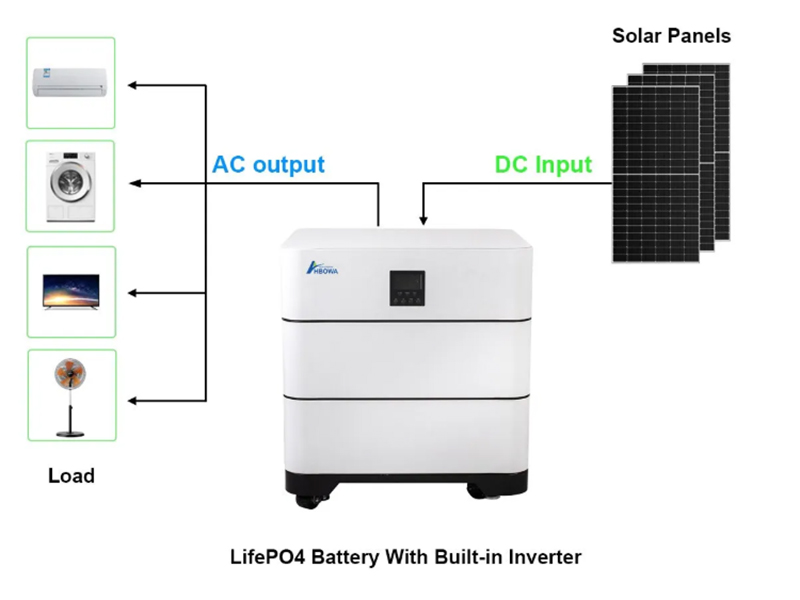
Top-Tier Systems: Engineering for Peace of Mind
Several manufacturers have risen to the forefront, each offering distinct advantages. The Tesla Powerwall remains a benchmark for its sleek design, high power output, and deep integration with the Tesla app, offering a user-friendly window into your energy flow. Enphase IQ Battery takes a modular approach, using smaller, stackable units that provide granular flexibility and redundancy; if one unit fails, the others continue operating. For those seeking maximum capacity, the LG Chem RESU series offers robust, high-density storage, though it typically requires a separate inverter, adding a layer of complexity. More recently, FranklinWH has gained attention with its aGate system, which provides whole-home backup and advanced load management, surpassing the limitations of simpler systems. Each system offers a unique balance of power, capacity, and software intelligence.
| Feature | Tesla Powerwall 3 | Enphase IQ Battery 5P | FranklinWH aGate |
|---|---|---|---|
| Power Output (Continuous) | 11.5 kW | 3.84 kW per unit | 15 kW |
| Usable Capacity | 13.5 kWh | 5.0 kWh per unit | 13.6 kWh |
| Scalability | Up to 4 units (54 kWh) | Up to 15+ units | Up to 4 units |
| Integrated Inverter | Yes | No (Microinverters) | No (Separate aGate) |
| Best For | Whole-home backup | Modular, expandable setups | High-power whole-home needs |
Navigating the Crucial Selection Criteria
Choosing the right system is less about picking the most popular brand and more about aligning technology with your home’s specific energy profile. The first critical factor is your goal. Do you want to power only essential loads (refrigerator, lights, internet) during an outage, or do you require true whole-home backup to run your air conditioning and EV charger? This distinction dictates the necessary power output and battery capacity. Next, consider your rate structure. If your utility employs time-of-use (TOU) pricing, a larger battery allows you to store solar energy during off-peak hours and use it during expensive peak periods, maximizing your financial return. Finally, assess your panel capacity and orientation—a battery is only as useful as the energy your panels can produce to charge it.
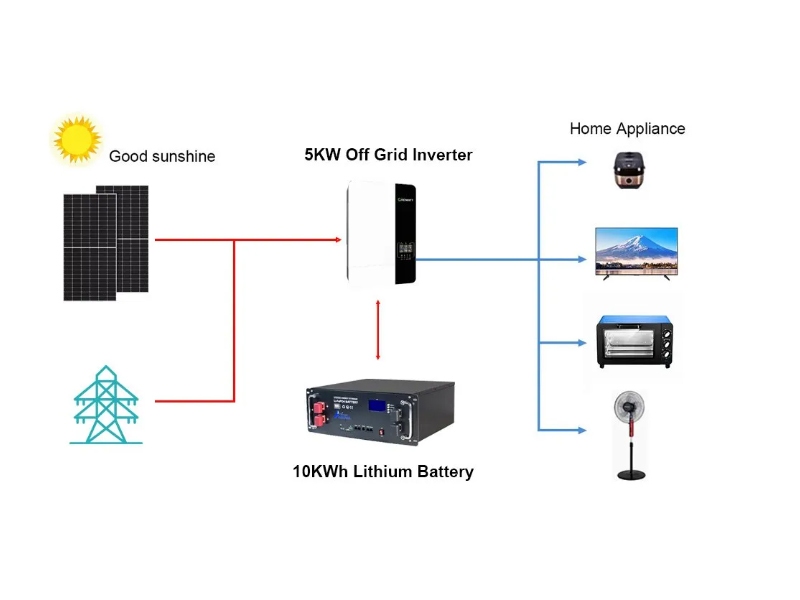
The Realities of Investment and Installation
The cost of a fully installed system with battery backup is a significant investment, typically ranging from $20,000 to $50,000 or more, depending on system size and complexity. However, the effective price is often dramatically lowered by the federal Investment Tax Credit (ITC), which currently offers a 30% credit on the total system cost. Many states and utilities also provide additional rebates, performance-based incentives, or virtual power plant (VPP) programs that pay homeowners for making their battery capacity available to the grid during peak demand. It’s essential to get multiple, itemized quotes from certified installers to compare equipment, installation techniques, and warranty terms, not just the bottom-line price.