
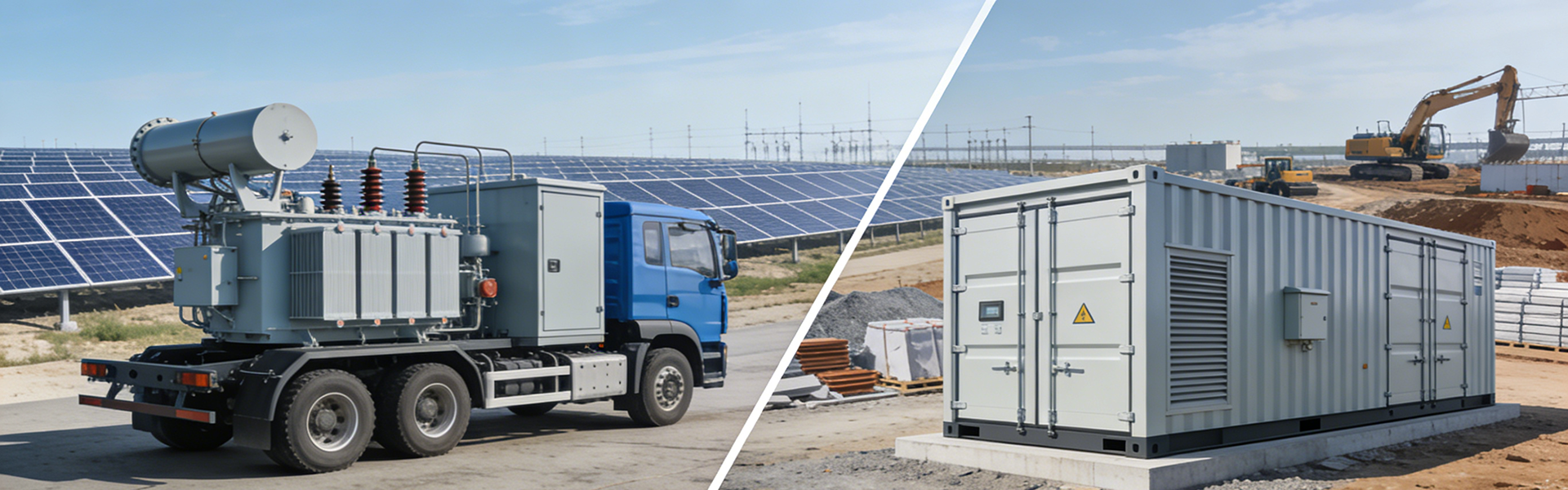
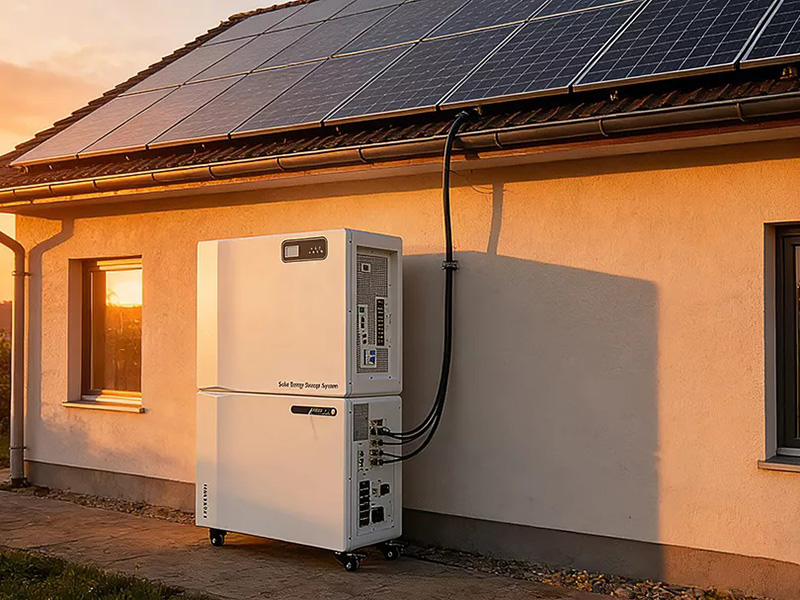
Understanding PV Systems and Battery Storage Basics
Solar photovoltaic systems convert sunlight into electricity, but without storage, you remain tethered to the grid after dark. Battery storage changes the equation entirely. A typical setup pairs rooftop panels with a lithium-ion battery bank, allowing you to store excess daytime generation for evening use. This combination transforms your home from a passive consumer into an active energy producer. Yet many homeowners make the mistake of oversizing panels while undersizing storage, creating a lopsided system that fails to deliver true independence. The golden rule is balance: your battery capacity should comfortably cover your nightly consumption, while your panel output must replenish that battery during daylight hours.
Key Factors to Consider When Choosing a PV System
Not all PV systems are created equal, and your location dictates your priorities. Sun exposure, roof orientation, and local climate are the non-negotiables. Homes in Arizona need different panel specifications than those in Seattle. Efficiency ratings matter—monocrystalline panels typically hit 20-22% efficiency, while polycrystalline lag behind at 15-17%. But efficiency alone doesn't guarantee independence. You must also consider inverter type, with microinverters offering better shade tolerance and per-panel monitoring, while string inverters provide lower upfront costs. Add battery chemistry to the mix: lithium iron phosphate (LFP) wins on longevity with 6,000+ cycles, whereas nickel manganese cobalt (NMC) offers higher energy density but degrades faster. The trade-offs are real, and skipping this analysis leads to buyer's remorse.
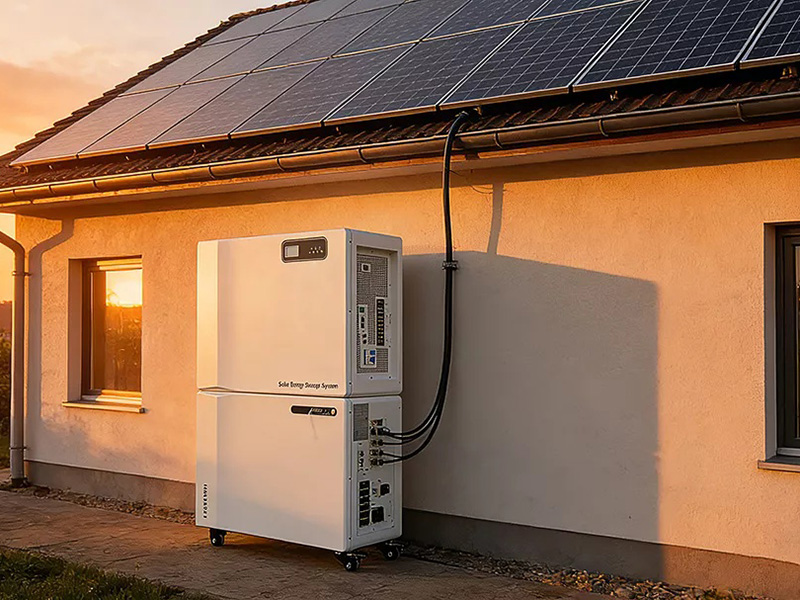
Top Battery Storage Options for Home Use
The market leaders have consolidated around a few proven platforms. Tesla Powerwall remains the benchmark for integrated simplicity, with 13.5 kWh usable capacity and seamless backup switching. The Enphase IQ Battery 10 takes a modular approach, allowing incremental expansion from 10 to 20 kWh. LG Chem's RESU series offers flexibility with wall-mount or floor-standing installation. For budget-conscious buyers, the Growatt APX series delivers impressive value at roughly 30% lower cost per kWh. However, don't ignore the warranty terms—most reputable options guarantee 70% capacity retention after 10 years, but some cut corners with hidden exclusions.
| Feature | Tesla Powerwall | Enphase IQ 10 | LG RESU 10H |
|---|---|---|---|
| Capacity (kWh) | 13.5 | 10.0 | 9.8 |
| Round-trip efficiency | 90% | 89% | 95% |
| Warranty (years) | 10 | 10 | 10 |
| Price per kWh (USD) | $850 | $900 | $1,050 |
| Scalability | Up to 10 units | Up to 4 units | Up to 2 units |
Cost, Savings, and Return on Investment
Let's talk money. A complete system—8 kW panels with 13.5 kWh storage—costs between $25,000 and $35,000 installed. The federal Investment Tax Credit (30%) softens that blow to roughly $18,000-$25,000. But here's where the debate heats up: payback periods vary wildly depending on your utility rates and net metering policies. Homeowners in high-rate states like California see payback in 6-8 years, while those in low-rate states might wait 12 years. Critics argue that grid-tied systems without batteries offer faster ROI, but that misses the point of independence. Battery storage insulates you from time-of-use rate spikes and grid outages—a value that pure financial models fail to capture. The real ROI calculation should include the peace of mind factor, which is impossible to quantify but undeniable.
Installation, Maintenance, and Future Trends
Professional installation is non-negotiable for warranty validity and safety compliance. Expect a 2-3 day process, plus permit approvals that can stretch to six weeks. Maintenance is refreshingly minimal—annual panel cleaning and remote firmware updates for the battery. However, thermal management is the hidden maintenance issue; batteries degrade faster in extreme heat, so proper ventilation is critical. Looking ahead, bidirectional charging and virtual power plants are reshaping the landscape. Your home battery could soon earn revenue by selling stored energy back to the grid during peak demand. Solid-state batteries promise double the capacity in half the footprint by 2030. The smart play is to invest in a system that allows component-level upgrades rather than forcing a full replacement when better batteries arrive.