
Why Combine Solar PV with Battery Storage at Home
The sun rises over rooftops across the country, yet most households still send their excess solar energy back to the grid for pennies per kilowatt-hour. Pairing photovoltaic panels with a home battery transforms this dynamic entirely. Instead of exporting surplus power during peak sunlight hours, families store it for evening use when electricity rates climb. This shift from a passive exporter to an active energy manager fundamentally changes how homes interact with the utility grid.
Beyond mere cost savings, battery storage offers resilience. When storms knock out neighborhood power lines, a charged battery keeps refrigerators humming, routers blinking, and medical devices running. For families in regions prone to grid instability, this quiet assurance outweighs every other consideration. The psychological comfort of energy independence—knowing that darkness outside doesn't mean darkness inside—is an intangible benefit that homeowners discover only after their first extended outage.
Key Components of a Home PV and Battery System
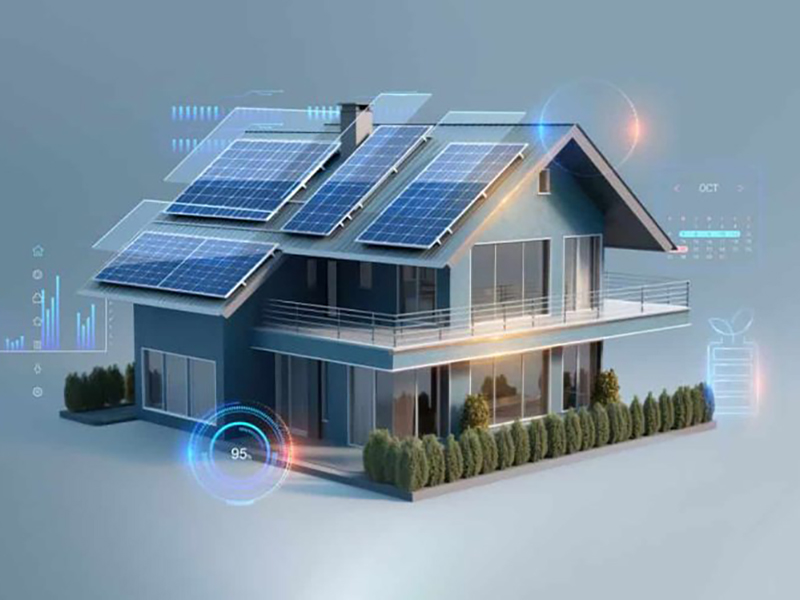
A complete residential solar-storage system comprises four essential elements. The photovoltaic array captures sunlight and converts it into direct current electricity. An inverter then transforms this DC power into the alternating current that household appliances require. The battery bank stores excess energy for later use, while a smart energy management system orchestrates the entire operation, monitoring production, consumption, and grid interaction in real time.
| Component | Core Function | Typical Lifespan | Maintenance Level |
|---|---|---|---|
| Solar Panels | Convert sunlight to DC electricity | 25–30 years | Low (periodic cleaning) |
| Hybrid Inverter | Manage DC-to-AC conversion and battery charging | 10–15 years | Low (visual inspection) |
| Lithium Battery Pack | Store energy for night or outage use | 10–15 years | Minimal (software monitoring) |
| Energy Monitor | Track and optimize usage patterns | 10+ years | Low (firmware updates) |
Modern lithium iron phosphate batteries dominate the residential market due to their safety profile and cycling longevity. Unlike older lead-acid alternatives, they tolerate deep discharges without degrading rapidly, making them ideal for daily charge-discharge cycles.
OEM Factory Direct: Quality, Cost, and Customization Benefits
Purchasing directly from an OEM factory removes the intermediary markup that typically inflates retail prices by 20–40 percent. This direct channel also grants homeowners access to engineering teams who can tailor system specifications to exact needs. A family in Arizona with intense summer cooling demands might require a larger battery capacity, while a Pacific Northwest household prioritizing winter reliability would configure panels differently.
OEM partnerships often include extended warranties and technical support that retail distributors cannot match. Because the manufacturer controls the entire production process, quality assurance standards are consistently applied from raw material sourcing to final assembly testing. Homeowners receive detailed documentation, firmware access, and replacement parts shipped directly from the source, ensuring long-term serviceability that reseller channels frequently compromise.
Installation and Maintenance Considerations for Homeowners
Site assessment precedes every successful installation. Roof orientation, shading patterns, and available wall space for battery mounting all influence system design. Professional installers should verify structural integrity, electrical panel capacity, and local building codes before mounting a single panel.
Once operational, these systems demand remarkably little attention. Seasonal panel cleaning removes dust and debris that can reduce output by 5–10 percent. Battery health monitoring occurs automatically through manufacturer software, alerting homeowners to any anomalies. Most systems require no scheduled maintenance beyond annual inverter inspection and firmware updates delivered over the internet. The true maintenance burden falls on selecting a qualified installer who understands both electrical safety and optimal system configuration.
Future Trends and ROI of Residential Solar Storage
The financial picture improves yearly as battery costs decline by roughly 10–15 percent annually. Grid operators increasingly implement time-of-use rates that reward shifting consumption to off-peak periods, enhancing battery payback calculations. In regions with net metering already mature, storage adds value by enabling homeowners to avoid demand charges and participate in virtual power plant programs.