
Understanding Off-Grid Solar Systems
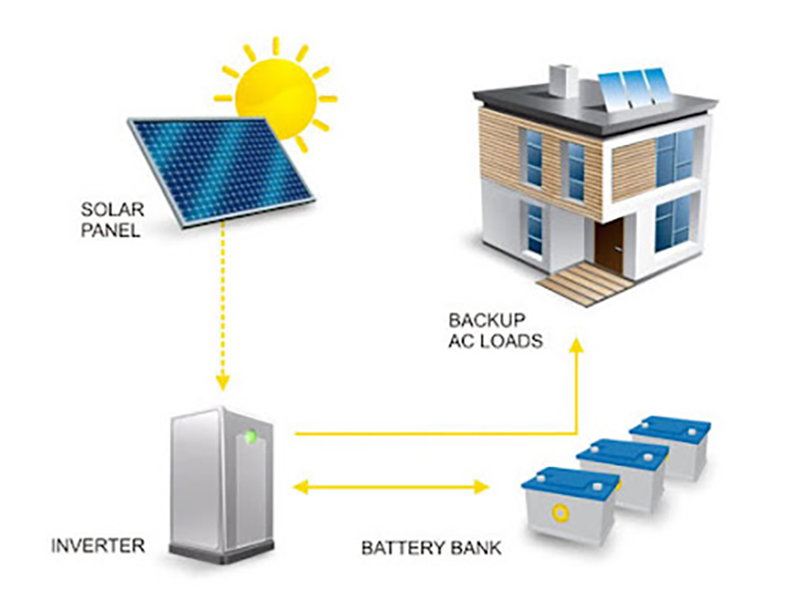
Off-grid solar systems promise total independence—no utility bills, no blackouts, no reliance on a crumbling grid. For homeowners in remote areas or those with a fervent environmental conscience, this autonomy is intoxicating. But it comes at a steep price. True off-grid living demands a massive battery bank to cover nights and cloudy days, often doubling the upfront cost. Moreover, you become your own utility: if a panel fails or an inverter trips, you are the repair crew, the dispatcher, and the accountant. The math works beautifully on paper, yet reality bites when a week of overcast skies drains your reserves. Proponents argue the peace of mind is priceless; skeptics rightly point out that most urban and suburban homeowners rarely need such drastic severance from the grid.
Hybrid Solar Systems: Combining Grid and Battery Storage
Cost, Maintenance, and Return on Investment
Let’s cut through the greenwashed rhetoric and talk dollars. The table below outlines typical financial scenarios for a standard 5kW residential system:
| System Type | Initial Cost | Annual Maintenance | Payback Period | Lifespan |
|---|---|---|---|---|
| Off-Grid | $25,000–$45,000 | $500–$1,000 | 10–15 years | 15–20 years |
| Hybrid | $15,000–$30,000 | $300–$700 | 6–10 years | 20–25 years |
| Grid-Tied | $10,000–$18,000 | $150–$300 | 4–7 years | 25+ years |
Off-grid systems are the clear losers in pure ROI—battery replacements alone can cost $8,000–$12,000 every decade. Hybrids fare better, but their payback hinges on volatile utility rates and net-metering policies that governments can change overnight. Grid-tied systems remain the most economical choice for the average homeowner, yet they offer zero protection during outages. This is the eternal trade-off: savings versus security. Proponents of off-grid living dismiss ROI as a bourgeois concern, but for most families, every dollar spent on solar is a dollar not invested elsewhere—in education, retirement, or that leaky roof.
Choosing the Right System for Your Home
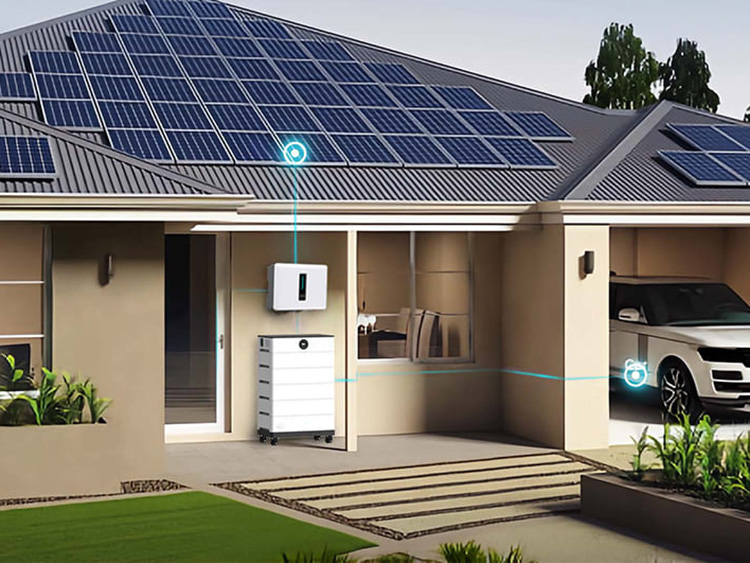
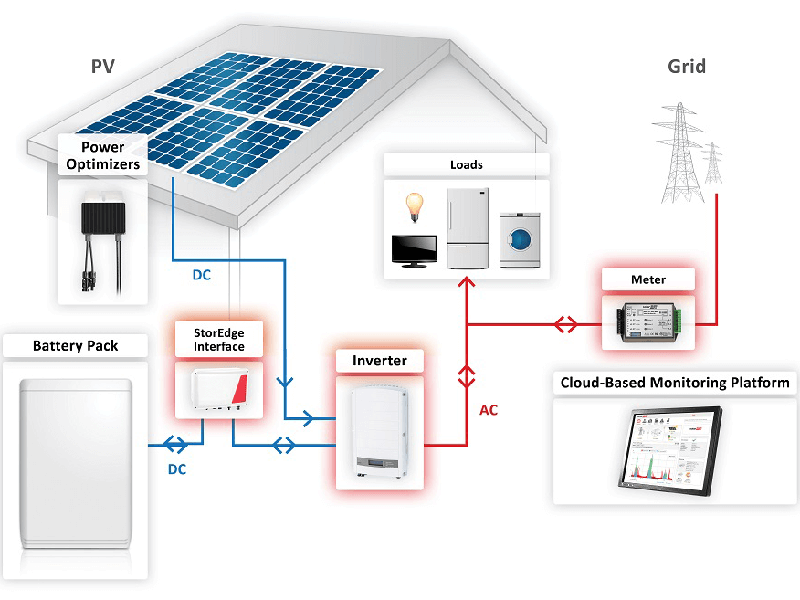
The decision hinges on three brutal questions: Where do you live? How often does your power flicker? And how deep are your pockets? Urban dwellers with stable grids and tight budgets should stick to grid-tied systems—hybrids are overkill. Suburbanites in storm-prone regions might justify the hybrid premium, especially if local utilities offer time-of-use rates that reward battery shifting. Off-grid is only rational for properties beyond the grid’s reach, where utility connection costs exceed $50,000. Be honest about your energy habits—the family that blasts air conditioning all summer will need triple the battery capacity of a frugal couple. Manufacturers love selling dreamy “energy independence,” but they won’t pay your repair bills when the system underperforms.
Future Trends in Residential Solar Technology
The industry is sprinting toward smarter, denser storage. Solid-state batteries promise double the lifespan at half the weight, while AI-driven energy management systems will soon optimize every watt automatically. Bidirectional charging—where your EV feeds your home during blackouts—is no longer science fiction. Yet these innovations carry a warning: early adopters pay premium prices for unproven tech. The next five years will blur the line between off-grid and hybrid, as virtual power plants aggregate thousands of home batteries into distributed utilities. But don’t wait for perfection. Solar costs have plummeted 80% in a decade; the smart money buys now, expands later, and never mistakes hype for engineering reality. Choose based on your actual needs, not marketing brochures—your wallet and your sanity will thank you.