
A comprehensive guide to understanding off-grid residential solar kits, their components, benefits, and installation considerations.
Ever found yourself staring at your monthly electricity bill and wondering, *“What if I just didn’t have to pay this at all?”* That’s the quiet appeal of residential solar kits—especially the off-grid variety. But before you picture yourself sipping coffee in a cabin powered entirely by sunshine, let’s walk through what these systems really offer, and whether they’re the right fit for your home.
The most obvious draw is energy independence. When you’re off-grid, you’re no longer at the mercy of utility rate hikes, blackouts, or grid maintenance schedules. For many, this isn’t just about saving money—it’s about resilience. Imagine a winter storm knocking out power for your neighbors while your lights stay on, your fridge hums quietly, and your internet router keeps glowing. That peace of mind is hard to put a price on.
But there’s also the environmental angle. Off-grid solar kits produce clean, renewable energy right where you live, shrinking your carbon footprint without requiring a lifestyle overhaul. And let’s not forget the sheer satisfaction of knowing your home runs on sunlight you captured yourself. It feels a little like magic, except it’s physics.
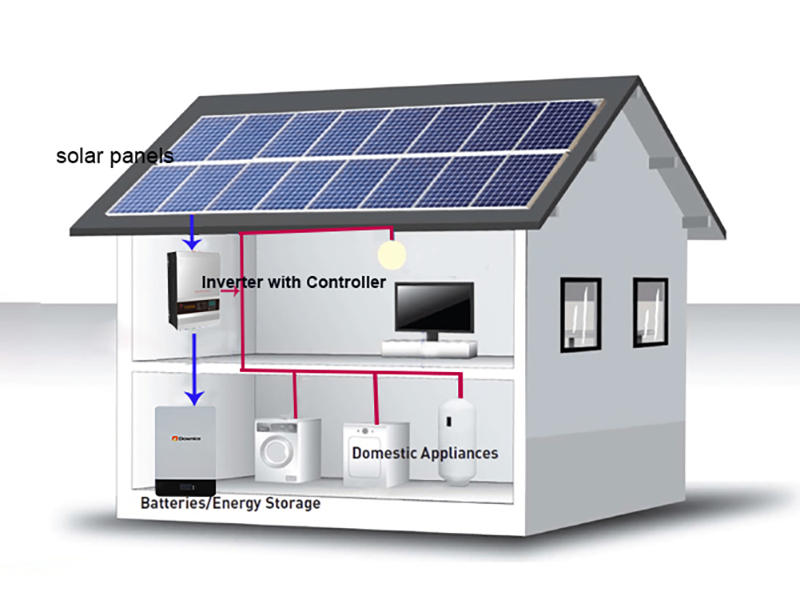
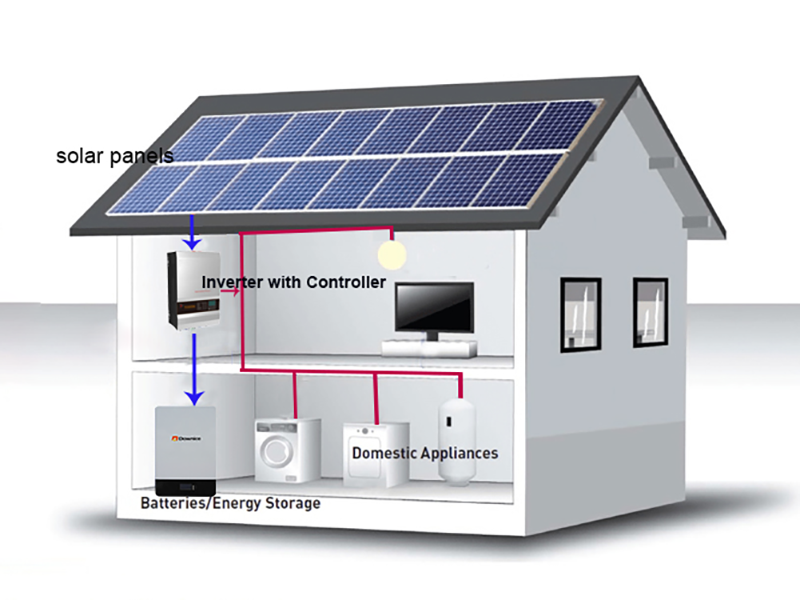
If you’re new to this, the jargon can feel overwhelming. But an off-grid system is basically four puzzle pieces. First, the solar panels—those familiar blue rectangles that soak up sunlight. Then the charge controller, which acts like a traffic cop, regulating the electricity flowing into your batteries so they don’t overcharge. Next, the battery bank—your energy savings account for cloudy days and evenings. Finally, the inverter, which converts the battery’s DC power into the AC power your appliances actually use.
That’s it. No grid connection, no meter spinning backward. Just your panels, your storage, and your household humming along on stored sunshine.
| Component | Function | Typical Lifespan | Key Consideration |
|---|---|---|---|
| Solar panels | Capture sunlight and convert to DC electricity | 25–30 years | Efficiency drops slightly per year |
| Charge controller | Regulates battery charging | 10–15 years | MPPT models are more efficient |
| Battery bank | Stores energy for use at night or in cloudy weather | 5–15 years (depends on type) | Lithium lasts longer but costs more |
| Inverter | Converts DC to AC for household use | 10–15 years | Choose pure sine wave for sensitive electronics |
Here’s the tricky part: no single kit fits every home. Start by asking yourself, *“What do I actually run?”* A weekend cabin with a few LED lights and a mini-fridge has vastly different needs than a full-time family home with a well pump, electric oven, and heat pump.
A good rule of thumb is to calculate your daily kilowatt-hour (kWh) usage—check your old utility bills for a baseline.Then, size your system with a bit of buffer, especially if you live in an area with long stretches of overcast weather. Many kits come in standardized sizes (like 3kW, 5kW, or 10kW), but don’t just grab the biggest one. Oversizing wastes money; undersizing leaves you in the dark. It’s a balancing act.Unless you’re a confident DIYer with electrical experience, professional installation is worth the cost. Off-grid systems involve high-voltage DC wiring and battery connections that can be dangerous if mishandled. Plan for a day or two of work if you hire pros, or a weekend project if you’re handy.
Maintenance, thankfully, is modest. Keep panels clean—dust and bird droppings reduce output. Check battery connections periodically, and monitor your charge controller’s readouts to catch issues early. Most modern kits include monitoring apps, so you can track production from your phone. It’s not “set and forget,” but it’s close.
Let’s talk money, because that’s usually the elephant in the room. A complete off-grid kit can range from $5,000 for a small system to $30,000+ for a whole-house setup with premium components and large battery storage. That’s a significant upfront investment, but remember: you’re replacing your monthly utility bill with a fixed cost that mostly disappears after the system pays for itself.