
Why Choose OEM Factory Solar Kits for Your Home
The first rays of morning light hit the rooftop panels, and inside, the coffee machine hums to life—powered entirely by the sun. This is the quiet revolution of home energy, and OEM factory solar kits are at its forefront. Unlike generic retail bundles, these kits arrive as a cohesive system, engineered in the same facility where every component—from the photovoltaic cells to the inverter—is designed to work in perfect harmony.
Choosing an OEM manufacturer means bypassing middlemen who often assemble mismatched parts. The factory controls the entire production chain, which translates into tighter quality control and lower costs per watt. For homeowners, this is not just about price; it is about accountability. If a panel underperforms, you know exactly which factory produced it and which engineer to call. The result is a system that feels less like a product and more like a tailored garment—cut, stitched, and finished to your exact measurements.
Understanding Custom PV Storage: Components and Configurations
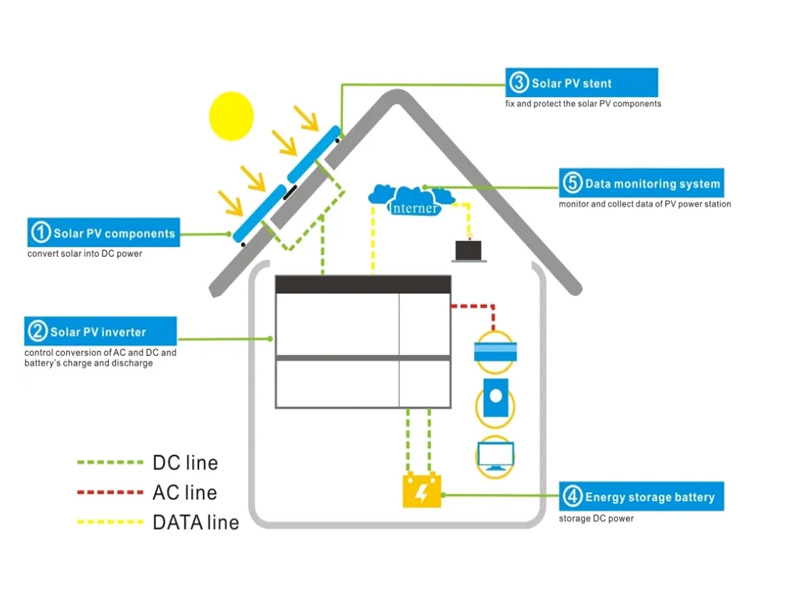
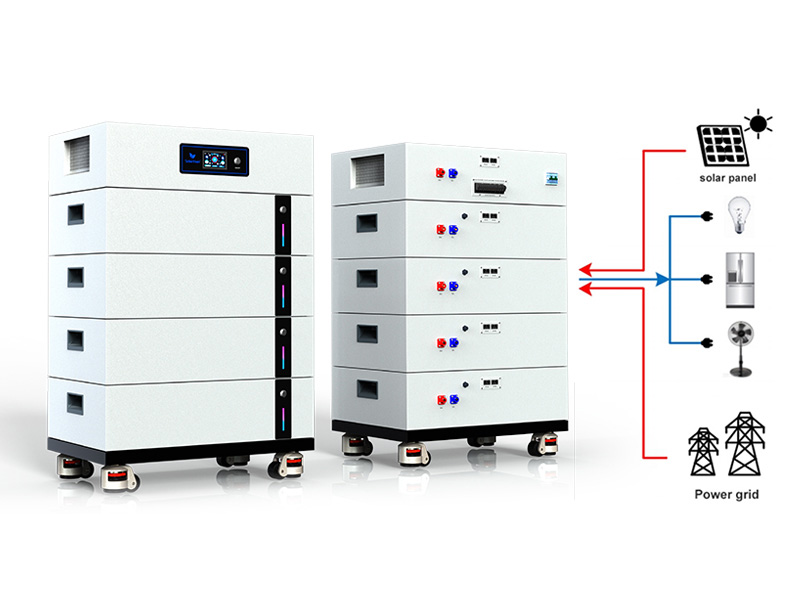
Solar panels are only half the story. Without storage, your home is still tethered to the grid when clouds roll in or night falls. Custom PV storage systems change that dynamic entirely. At the heart of these setups sits the lithium-ion battery bank, often paired with a hybrid inverter that manages both solar input and grid backup. The configuration can vary dramatically depending on your needs.
| Configuration | Typical Capacity | Best For | Key Benefit |
|---|---|---|---|
| Starter Off-Grid | 5–10 kWh | Small apartments | Basic evening backup |
| Balanced Hybrid | 10–20 kWh | Suburban homes | Daily self-consumption |
| Full Autonomy | 20–40 kWh | Remote cabins | Complete grid independence |
Designing Your Ideal Home Solar Kit: Key Considerations
Designing a solar kit is an exercise in honest self-assessment. Start with your consumption patterns—not just monthly averages, but hourly fluctuations. Does your family cook dinner at 7 PM when solar production has already peaked? Then your storage capacity must absorb the afternoon surplus. Examine your roof's orientation, tilt, and shading. A southern exposure with 30-degree tilt in the northern hemisphere can boost yield by 15% compared to a flat eastern mount.
The factory's design team will ask about your future plans too. Are you planning to buy an electric vehicle? That adds 30–50 kWh of weekly demand. Will you add a heat pump? That changes your winter load profile dramatically. OEM customization allows you to future-proof—installing a slightly larger inverter or adding spare battery slots now, so expansion later costs a fraction of what it would require after installation.
Quality Assurance and Certification in OEM Manufacturing
Behind every reliable solar kit lies a certification trail that reads like a passport of trust. Reputable OEM factories hold IEC 61215 for panel durability, IEC 62619 for battery safety, and UL 9540 for complete system certification. These are not mere stickers—they represent rigorous testing cycles. Panels are subjected to simulated hail impacts, salt-spray corrosion tests, and UV degradation chambers that compress 25 years of weathering into six months.
The factory's quality assurance extends to the assembly line itself. Automated optical inspection scans each solar cell for micro-cracks, while battery cells undergo capacity matching to ensure equal discharge within a pack. This level of scrutiny means the system you receive has already survived the worst-case scenarios in a laboratory, long before it faces the real world. For homeowners, this translates into fewer warranty claims and predictable performance across decades of service.