
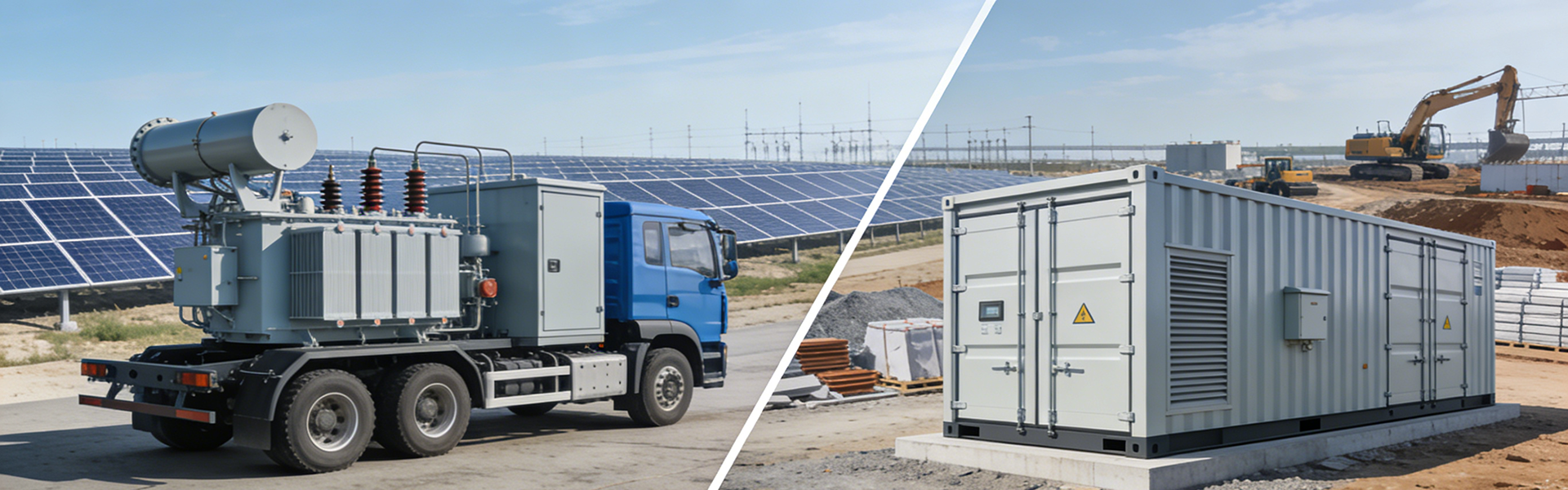

Why Choose a Complete Solar Kit with Battery Storage
The pitch is seductive: cut the cord from your utility, lock in energy costs, and weather blackouts with a flick of a switch. But let’s be brutally honest—solar without storage is just a fair-weather friend. A grid-tied-only system leaves you powerless when the grid fails, precisely when you need electricity most. Complete kits with battery storage flip that vulnerability into resilience, transforming your roof from a passive collector into an active, self-managed power plant. This isn't just about saving money; it's about seizing control over a commodity we can no longer take for granted.
Key Components of a Residential Solar Kit
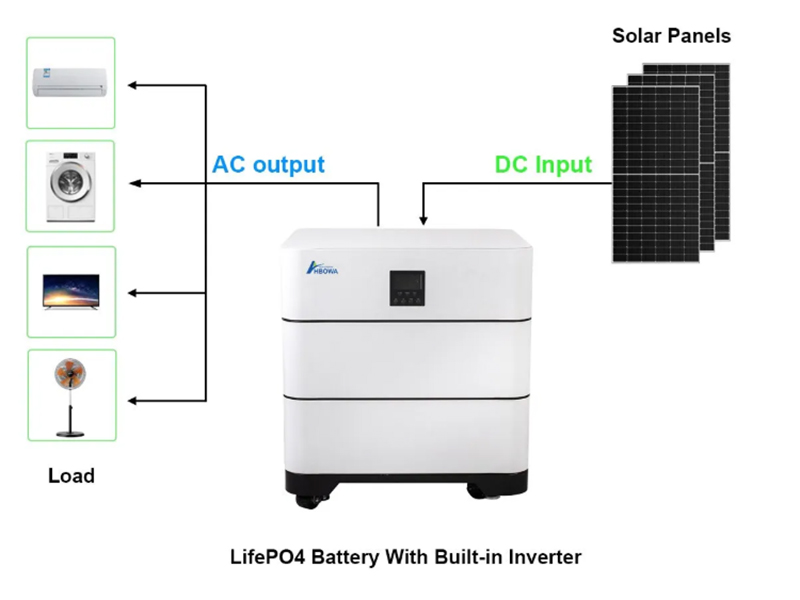
Don’t be fooled by the “plug-and-play” marketing. A complete kit is an intricate orchestra, and every instrument must be in tune. The core cast includes high-efficiency solar panels (the collectors), a hybrid inverter (the brain, managing both solar input and battery charging), and lithium-ion battery storage (the muscle, typically in a sleek wall-mounted unit). Yet, the unsung heroes are the balance-of-system (BOS) components: rapid shutdown devices, combiner boxes, and monitoring software. Skimping on BOS is the classic rookie mistake—it turns a reliable system into a maintenance headache and a code violation waiting to happen.
| Component | Primary Function | Common Spec Range |
|---|---|---|
| Solar Panels | DC power generation | 400W-550W per panel |
| Battery Storage | Energy time-shifting & backup | 10kWh-20kWh usable capacity |
| Hybrid Inverter | DC to AC conversion & battery control | 5kW-12kW continuous output |
| Monitoring System | Real-time production & usage tracking | Wi-Fi/Bluetooth enabled |
Sizing and Selecting the Right Kit for Your Home
This is where the rubber meets the road, and where most buyers stumble. A kit sized for your neighbor’s mansion is an expensive paperweight for your bungalow. The calculation isn't just about your monthly bill; it’s about your critical load profile—the essential circuits (fridge, furnace, medical devices) you need during an outage. Start with your annual kWh usage, but then drill down to your peak demand. A 10kWh battery might cover a night, but a heat pump could drain it in four hours. Never undersize your inverter to save a few hundred dollars; clipping your peak solar production is a permanent tax on your system’s lifetime output.
Installation, Maintenance, and Cost Considerations
Now for the cold water. The advertised kit price is the entry fee, not the final bill. Installation by a licensed electrician is non-negotiable, and labor can add 20-30% to the total. Permitting, interconnection agreements, and potential structural upgrades to your roof are hidden costs that can derail a budget. On the maintenance front, the news is better: brush panels twice a year and monitor software health checks—that's the core regimen. But remember, batteries have a finite cycle life. Most reputable kits offer a 10-year warranty, but expect degradation to roughly 80% capacity by year ten. This is a long-term investment, not a quick flip, so calculate your payback period with realistic degradation and utility rate escalation in mind.
Future Trends and Maximizing Your Solar Investment
The landscape is shifting beneath our feet. Bidirectional charging is the next frontier, turning your electric vehicle into a massive mobile battery. Smart energy management systems are already learning your consumption patterns to optimize when you draw from the grid and when you discharge your home battery. To maximize your investment today, demand a kit with manufacturer-agnostic communication protocols (like Modbus or SunSpec). This future-proofs your system, allowing you to integrate new battery brands or EV chargers down the line without a full rip-and-replace. The market is transitioning from mere hardware to an integrated energy ecosystem, and your choice today should be an open gateway, not a closed box.