
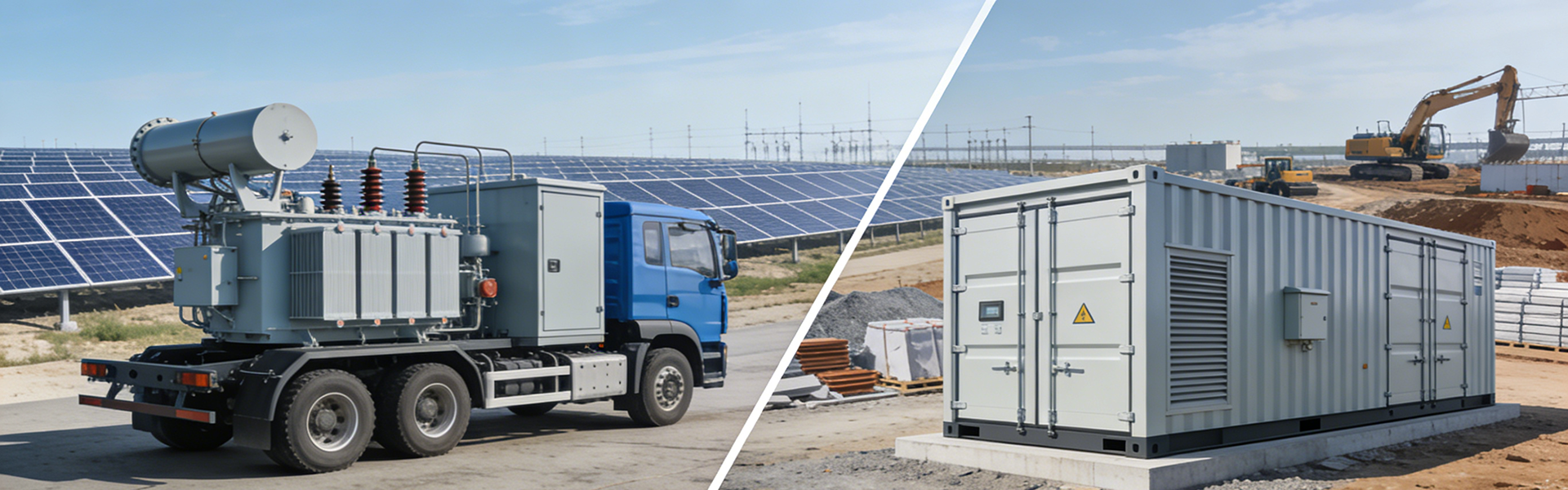
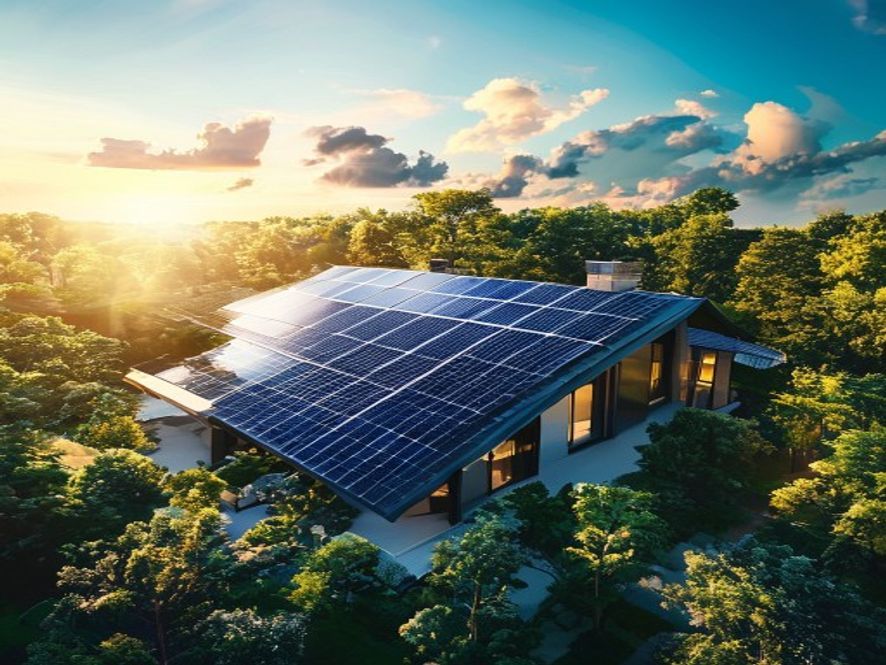
Understanding Solar Energy Basics
Have you ever wondered how sunlight can power your morning coffee? It’s simpler than you think. Solar panels convert sunlight into direct current (DC) electricity through photovoltaic cells. This energy is then transformed into alternating current (AC) by an inverter, making it usable for your home appliances. The key is that solar energy is abundant and renewable—a single hour of sunlight can supply the world’s energy needs for a year. But here’s the catch: it depends on location, weather, and panel orientation. So, before diving in, ask yourself: how much sun does your roof actually get?
Key Components of a Home Solar System
A home solar system is like a team of specialists working together. First, there are solar panels, the stars of the show, capturing sunlight. Then, the inverter acts as the translator, converting DC to AC. You’ll also need mounting hardware to secure panels to your roof, and wiring to connect everything. Don’t forget the monitoring system—it tracks energy production in real time. For those going off-grid, a battery bank stores excess energy for cloudy days. Here’s a quick comparison of common components:
| Component | Function | Typical Lifespan | Cost Range (USD) |
|---|---|---|---|
| Solar Panel | Captures sunlight | 25-30 years | $200-$400 per panel |
| Inverter | Converts DC to AC | 10-15 years | $1,000-$3,000 |
| Battery | Stores energy | 5-15 years | $5,000-$15,000 |
| Monitoring System | Tracks performance | 10-20 years | $300-$1,000 |
System Sizing and Installation Considerations
Sizing your system isn’t one-size-fits-all. Start by checking your electricity bills—average daily usage in kilowatt-hours (kWh) is your baseline. For a typical home, a 5-10 kW system covers most needs. But think about your roof: south-facing slopes with no shade are ideal. Installation requires professional help for wiring and permits, though DIY kits exist for the brave. A common mistake is underestimating future energy use—adding an electric car later could double your needs. So, plan for growth, and don’t forget local regulations or grid connection rules.
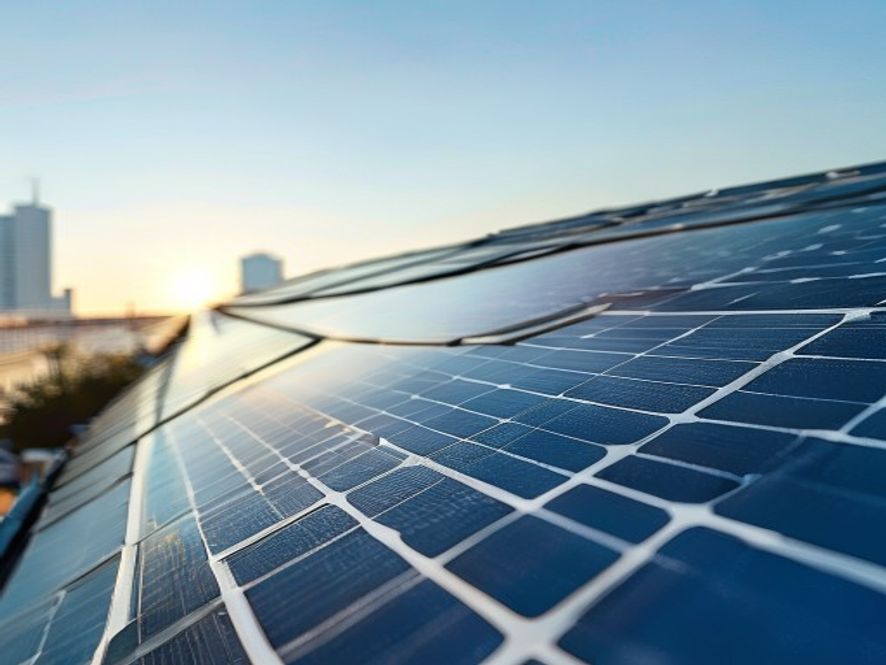
Maximizing Efficiency with Battery Storage
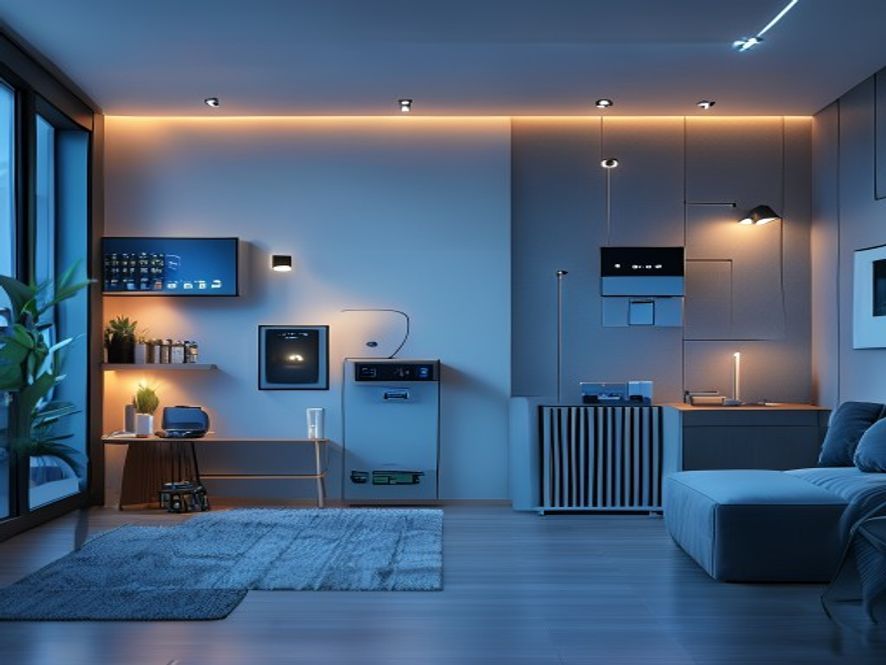
Cost, Savings, and Maintenance Tips
Let’s talk money. A typical home solar system costs $10,000-$30,000 after tax credits, but savings can reach $1,500 annually. Payback period? Usually 5-10 years. Maintenance is minimal—clean panels a few times a year and check for debris or shading. Inverters need replacement after a decade, but panels last 25+ years. A pro tip: monitor your system’s output monthly to catch issues early. Remember, solar is an investment, not a quick fix—but with rising electricity rates, it pays off over time. So, are you ready to harness the sun?