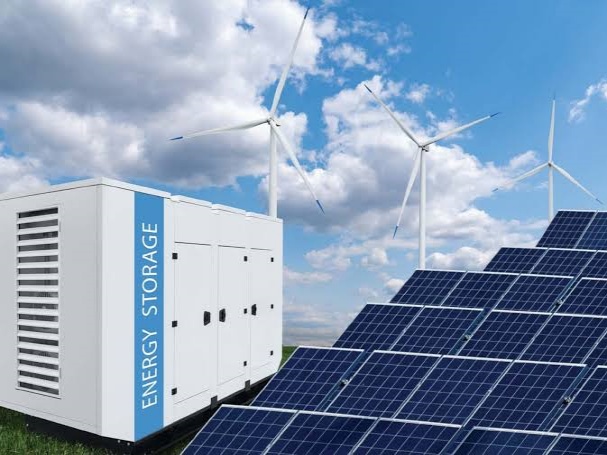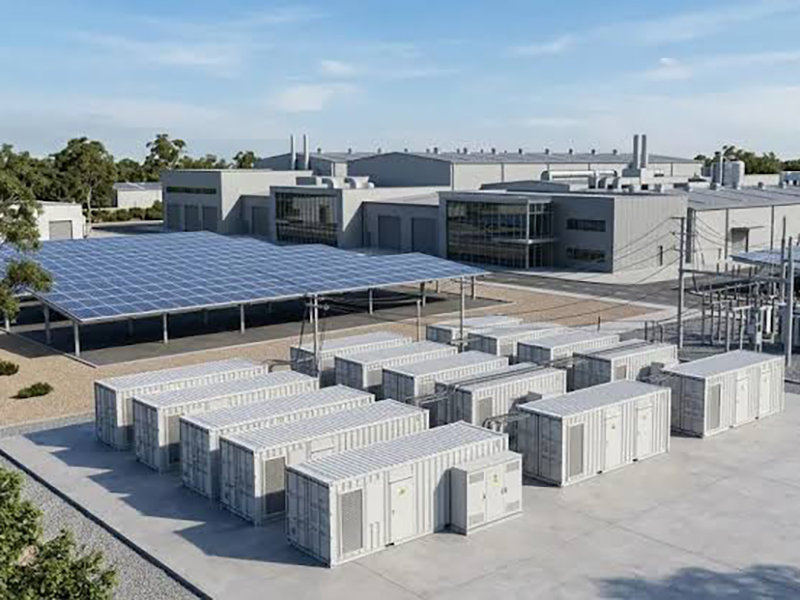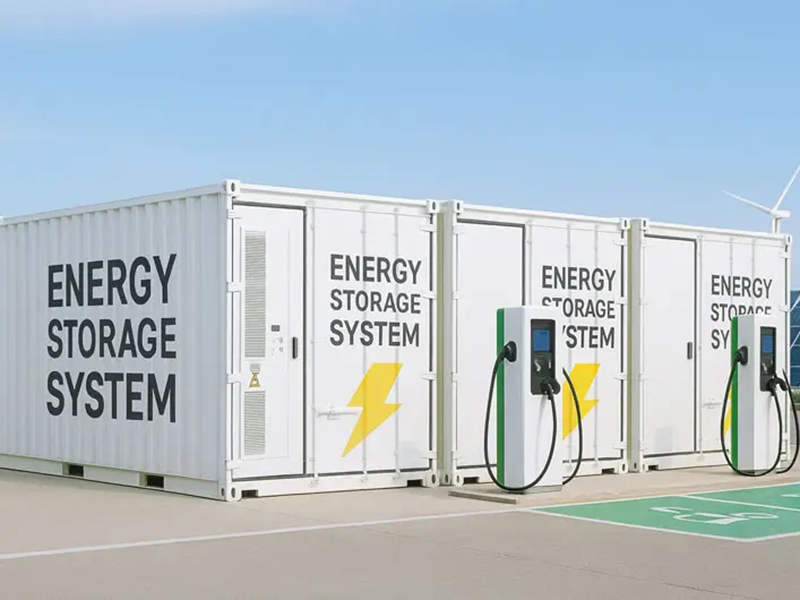
As a solar developer or EPC, increasing solar energy penetration at your power plants is likely a top priority. However, the mismatch between solar production curves and load consumption patterns can make this difficult. One of the most effective and increasingly popular solutions is integrating Battery Energy Storage Systems (BESS) with your solar PV installation.
But when exactly is BESS used in solar power plants and how does it work in practice? In this article, we explore the key benefits of integrating battery storage with solar Energy systems, and how Energy’s Energy Management System (EMS) helps capture this value.
BESS Terms: Definitions and Explanations
Battery racks: Racks are composed of different cells that convert electrical energy to chemical energy. Different technologies exist (the most popular are Lead-Acid or Lithium-Ion).
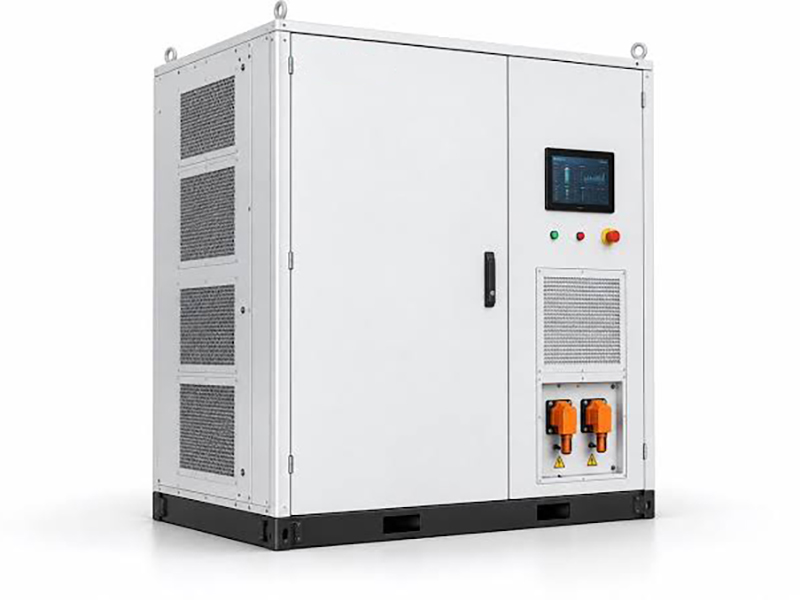
BESS: Battery Energy Storage Systems are composed of PCS and Batteries.
EMS: An Energy Management System is a controller able to execute a high-level strategy decided by the final user.
Solar power plants: In this article, the term refers to large-scale solar installations with a capacity greater than 1 MWp. These include supplying electricity to grid-tied systems, powering off-grid cities and remote islands, and feeding isolated industrial sites such as off-grid mines.
Broadly, these installations fall into two categories: grid-tied and off-grid solar power plants.
Advantages of Energy Storage Systems for Power Plants
BESS systems, when combined with other power sources, can serves a variety of applications depending on the sizing of PV, Batteries, and Genset but also on the load curve and specific clients requirements.
Within the context of power plants, BESS provides the following features:
Reliability Increased: Storage can be used for backup purposes. When the grid is down, storage can respond instantaneously and take over supplying energy. This is an essential feature for industries where constant production is crucial as electrical blackouts can damage expensive equipment machines (e.g. mining industry). For this reason, It is important to select a Power Conversion System (PCS) with an uninterruptible power supply (UPS) function for your BESS.
Reduce Fuel consumption: BESS stores excess solar energy generated during the day and delivers it during peak demand periods which is often during the night in remote cities, villages, and tourist resorts. This means they don’t need to rely on diesel generators to produce power when there is stored energy available. In addition, many countries and remote locations, PV + storage is now more cost-effective than using fuel alone.
Increase Solar Penetration: When PV production is higher than load consumption, BESS can store the excess production during the day to use it for the other services. Note that the right sizing between PV/Batteries/Gensets is mandatory to maximize your PV penetration.
Provide behind the meter services: In some countries, utility pricing structures make BESS installations financially attractive:
Load shifting: When utilities apply time-of-use tariffs (such as peak and off-peak rates), BESS in combination with an Energy Management System (EMS), can charge during low-cost periods and discharge during high-cost periods to reduce energy bills.
Peak-shaving: For industrial consumers with high demand charges, BESS can discharge strategically during peak usage periods. This helps maintain power consumption below the utility’s maximum demand threshold, avoiding costly peak penalties.
Provide in front of the meter services: For grid-tied applications, some countries have utility services markets that may allow a BESS to be profitable :
Utilities can purchase Solar & BESS energy during the evening with a bonus fee. This purchase avoids running peak plants that can be expensive and polluting. This pricing is used, for example, in France in non-connected islands (ZNI) where Solar & BESS systems have been installed during the last years.