Solar photovoltaic (PV) power has become the backbone of global renewable energy transition, yet standalone PV systems carry an unavoidable flaw: generation only exists during sunlight hours, creating a severe time mismatch between power output and energy demand. Energy storage solves this core pain point, turning intermittent solar power into controllable, dispatchable 24/7 green energy. This article breaks down why storage is a mandatory match for PV assets, plus the mainstream storage technologies deployed alongside photovoltaic systems across residential, commercial & industrial (C&I), off-grid and utility solar projects.
Why Storage Is Indispensable for All PV Installations
1. Maximize PV Self-Consumption & Cut Wasted Solar Power
A standalone rooftop or ground-mount PV array generates massive surplus electricity at noon when factory/household loads are low. Without storage, excess power is exported back to the grid at ultra-low feed-in tariffs, or even fully curtailed in grid-saturated regions.
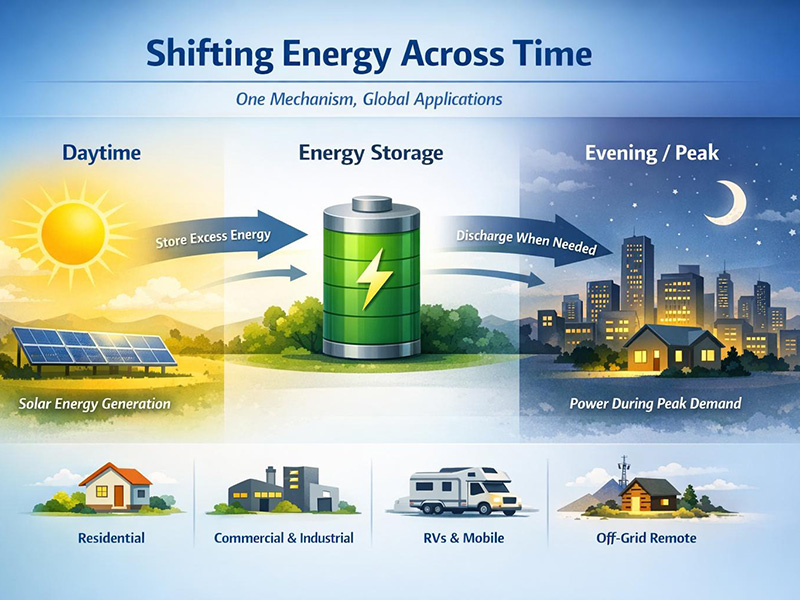
Integrated battery storage captures surplus solar energy and stores it for evening, night or cloudy-day use, lifting PV self-consumption rate from 40%-60% to over 90%. Every kilowatt-hour of self-stored solar power replaces expensive grid electricity, delivering direct monthly energy cost savings for property owners.
2. Peak Shaving & Load Shifting to Slash High Electricity Bills
For commercial factories, warehouses, malls and industrial parks, demand peak surcharges often account for 30%-50% of total utility expenses. Intelligent storage systems discharge stored solar power automatically during high-tariff peak hours to flatten load curves, eliminating costly peak demand penalties.
Under time-of-use (TOU) pricing policies globally, PV + storage realizes peak-valley arbitrage: charge batteries with cheap midday solar power, discharge during evening peak rates to cut operational energy expenditure and shorten solar project payback periods by 2–3 years.
3. Emergency Backup Power & Energy Independence
Grid blackouts, natural disasters and unstable rural power grids bring heavy losses to production lines, cold storage, medical facilities and households. Hybrid PV-storage systems support seamless island-mode switching within milliseconds, supplying uninterrupted backup power to critical loads when the grid fails.
For remote off-grid sites—mining zones, islands, agricultural bases and telecom towers—storage eliminates reliance on noisy, high-fuel diesel generators, building fully self-sufficient microgrids powered entirely by solar energy.
4. Stabilize Grid & Reduce PV Curtailment
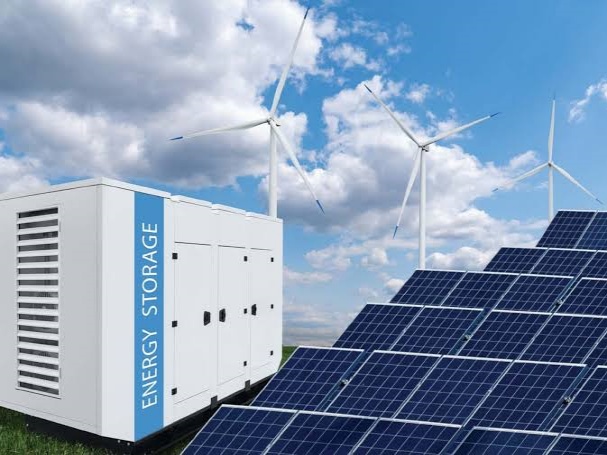
Large utility-scale solar farms frequently face curtailment limits when local grid capacity cannot absorb midday solar output, wasting huge clean energy assets. Storage acts as an energy buffer to absorb excess PV generation and release power during evening grid demand peaks, easing grid pressure and enabling more large-scale solar deployment worldwide.
Mainstream Energy Storage Technologies Used for PV Systems
Lithium-ion battery energy storage systems (BESS) dominate the global PV matching market, with LiFePO4 as the universal standard for residential, C&I and utility projects. Other technologies serve niche long-duration or low-cost scenarios.
1. Lithium Iron Phosphate (LiFePO4 / LFP) – Industry Standard for PV
LiFePO4 batteries occupy over 90% of new PV-storage installations globally in 2026, recognized as the safest, most reliable stationary storage chemistry for solar projects.
Core strengths: Ultra-low thermal runaway risk, 6,000–10,000 deep charge-discharge cycles (15–20 year service life), 95%+ round-trip efficiency, wide operating temperature range (-30℃ ~ 55℃)
PV matching scenarios: Wall-mounted residential storage (5–40kWh), cabinet-type C&I BESS (50kW/100kWh–1MW/2MWh), containerized utility PV storage (MW-scale), off-grid microgrids
Our full PV-integrated energy storage products all adopt automotive-grade LiFePO4 cells with built-in intelligent BMS for full voltage, temperature and SOC monitoring.
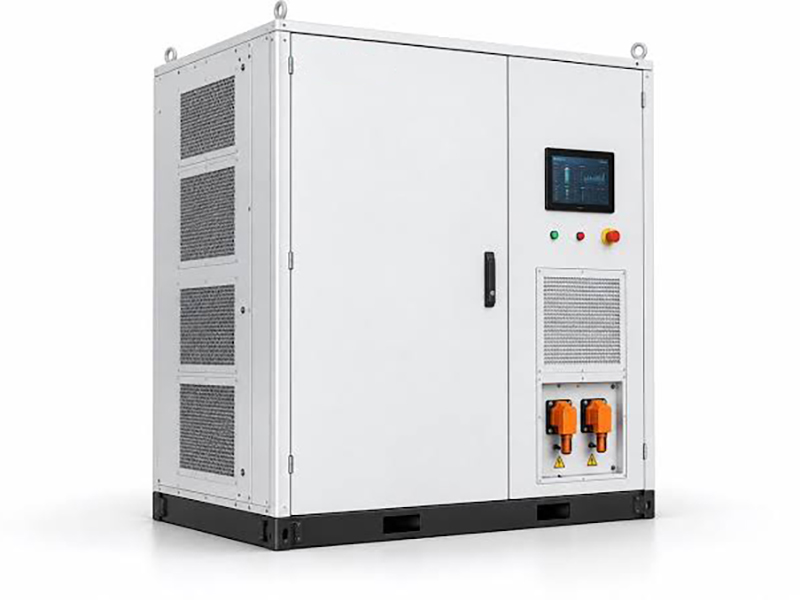
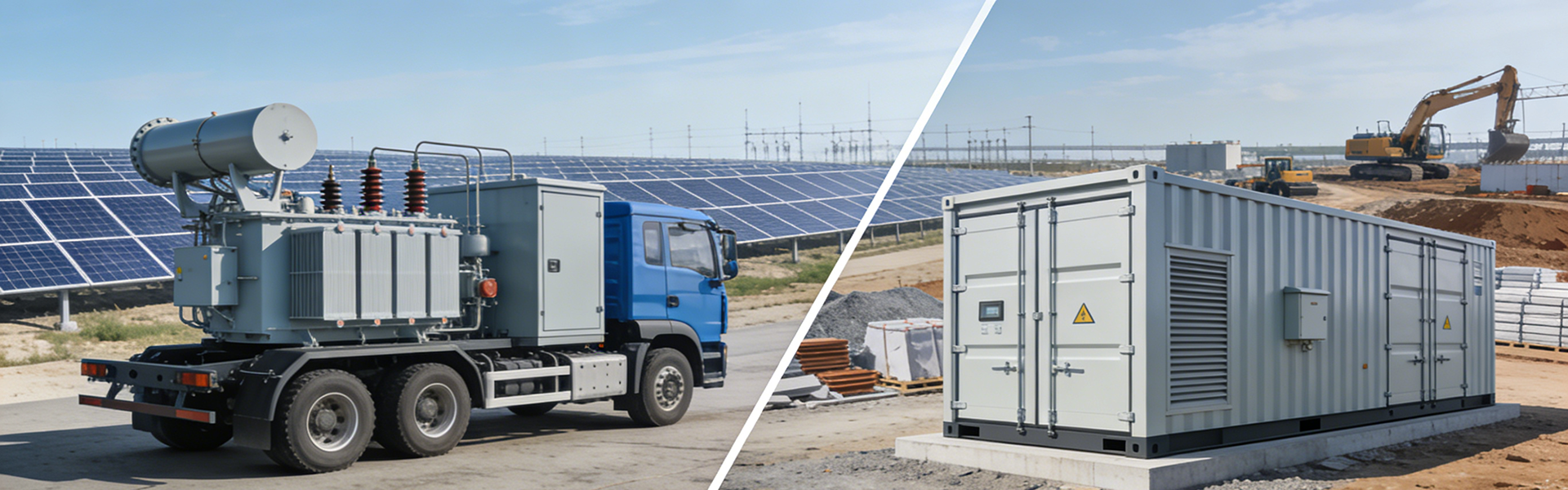
C&I Cabinet LiFePO4 PV Storage System On-Site
2. Vanadium Redox Flow Batteries (VRFB) – Long-Duration Utility PV Storage
Flow batteries feature unlimited cycle life and independent power/capacity expansion, ideal for large ground-mounted solar farms requiring 4–10 hour long-duration energy storage.
Limits: Low energy density, large footprint and higher upfront cost; rarely used for small residential or commercial PV projects.
3. Sodium-Ion Batteries – Low-Cost Emerging PV Storage
Sodium-ion batteries use abundant raw materials with lower manufacturing costs, performing well in low-temperature environments. They are gradually applied to low-budget small off-grid PV and rural household solar storage as a cost-effective alternative to LFP.
4. Lead-Acid Batteries – Obsolete Legacy PV Storage
Traditional lead-acid batteries suffer short cycle life, low depth of discharge and heavy pollution, and have been phased out from modern commercial and residential PV projects worldwide.
Complete PV + Storage System Configurations for Different Scenarios
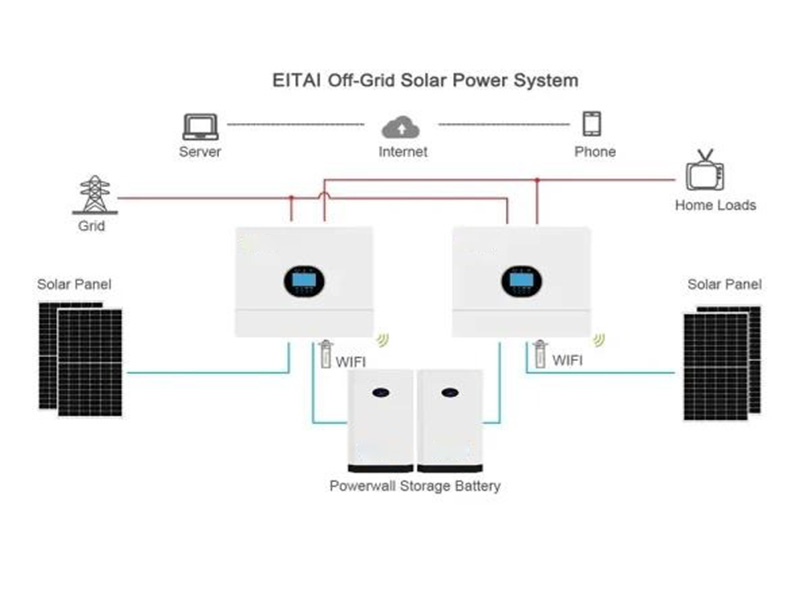
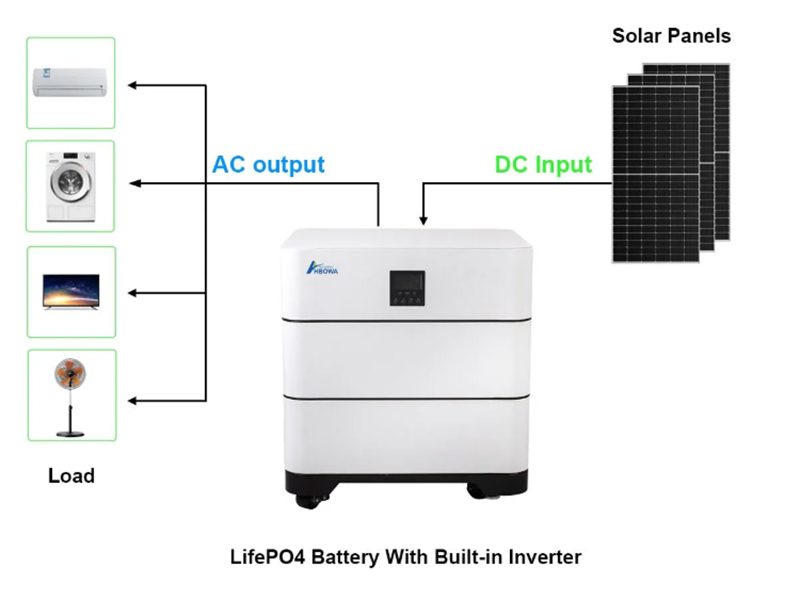
Residential Grid-Tied PV Storage: Rooftop solar panels + hybrid inverter + stackable/wall LiFePO4 battery; core goals: bill reduction + home blackout backup
C&I PV + BESS Cabinet System: Factory rooftop PV array + high-voltage rack storage + EMS energy management platform; core goals: peak shaving, demand charge cut, production power backup
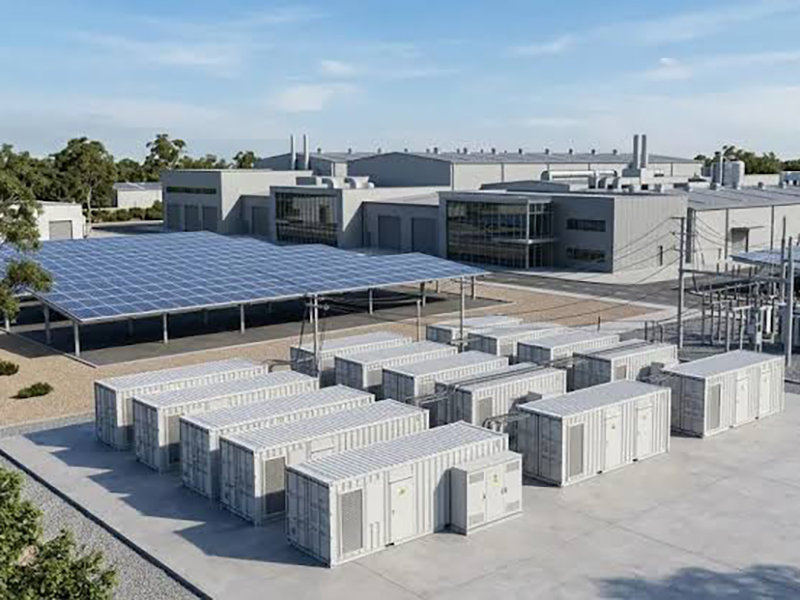
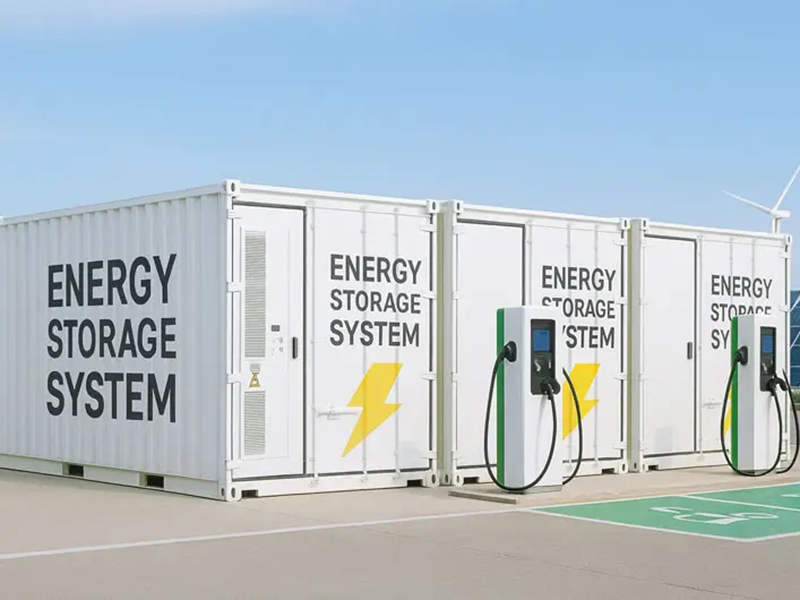
Containerized PV Storage for Utility Solar: 20ft/40ft integrated energy storage container matched with ground-mount solar stations; core goals: curtailment reduction, grid peak power supply
Off-Grid PV Microgrid Storage: PV modules + off-grid PCS + LiFePO4 battery bank; core goals: fully independent power supply for remote sites