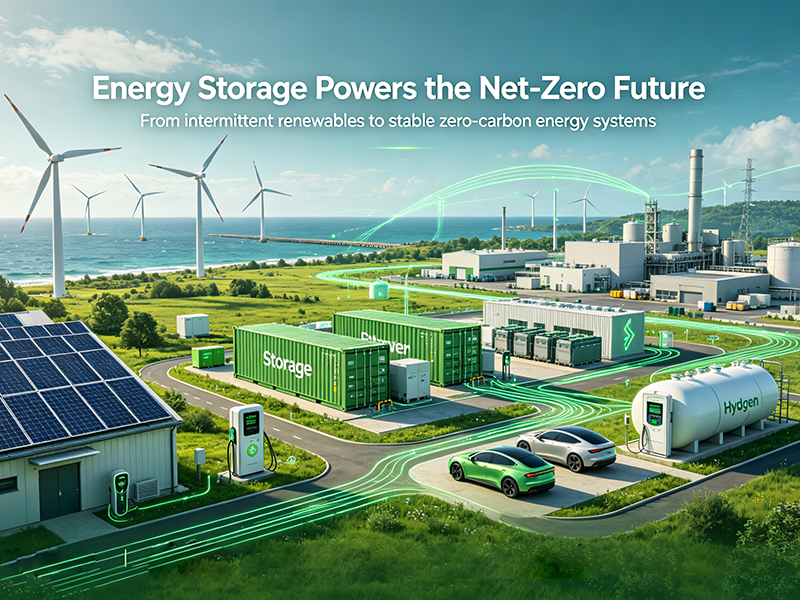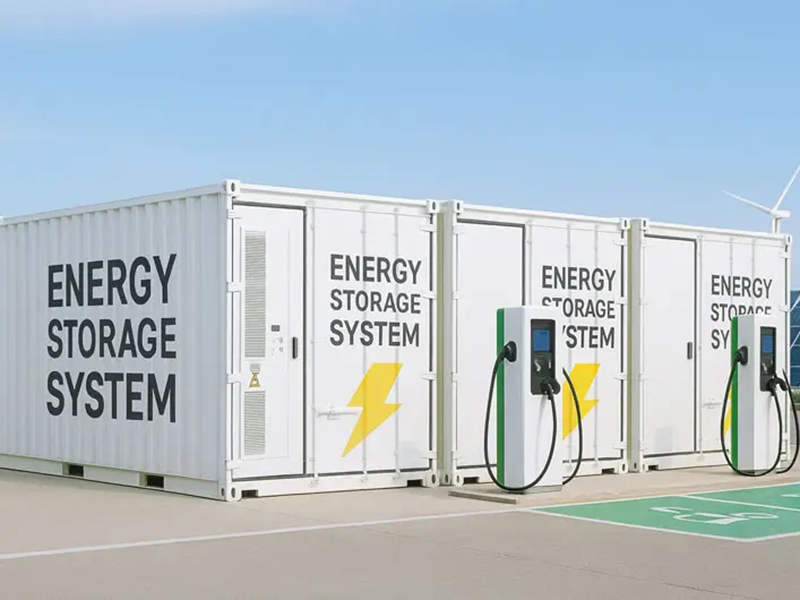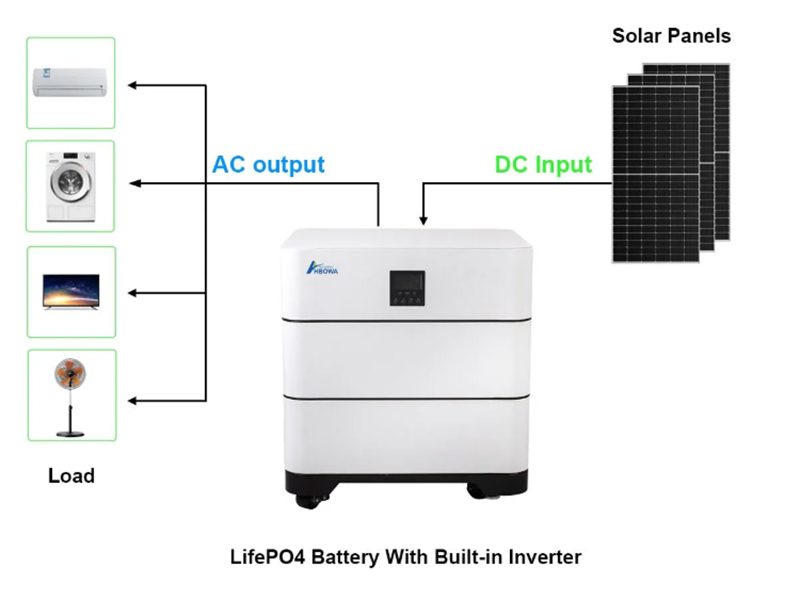
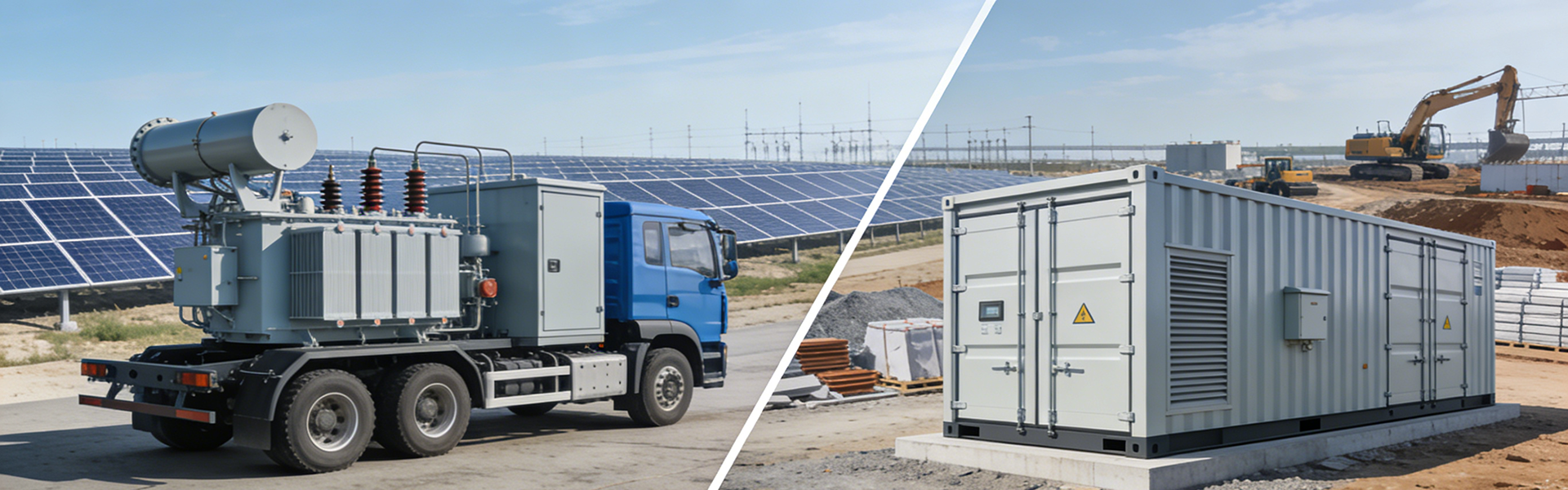
Global energy transition is no longer a future trend — it is an ongoing global revolution. Countries, enterprises and communities are rapidly replacing fossil fuels with solar, wind and other renewables to achieve carbon neutrality and sustainable development. However, renewable energy alone cannot complete the green transition. Energy storage has become the most essential foundation for a successful green energy transformation.
Renewable energy is inherently intermittent, fluctuating and weather-dependent. Without reliable energy storage support, large-scale solar and wind integration will always be restricted by grid instability, power curtailment and supply-demand imbalance. This article explains why energy storage is irreplaceable for global green transition and net-zero goals.
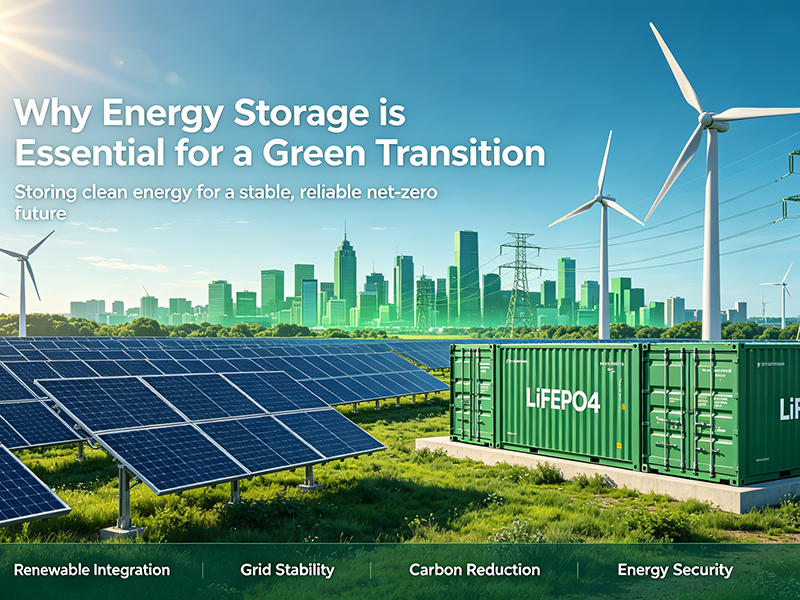
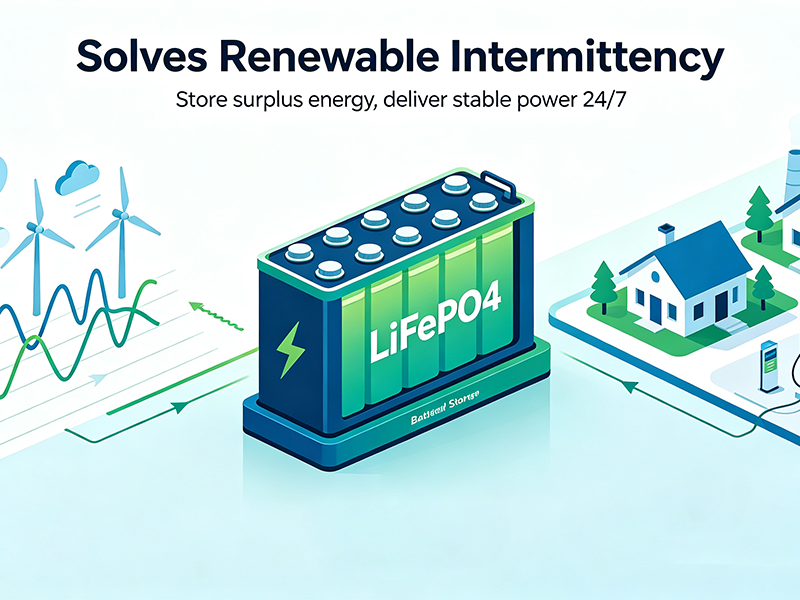
1. Solves Renewable Energy’s Biggest Flaw: Intermittency
Solar power only generates during the day, and wind power depends entirely on natural wind conditions. These unstable characteristics make pure renewable power difficult to dispatch, forcing grid operators to retain fossil fuel generators as backup power. This directly limits the scale of green energy adoption.
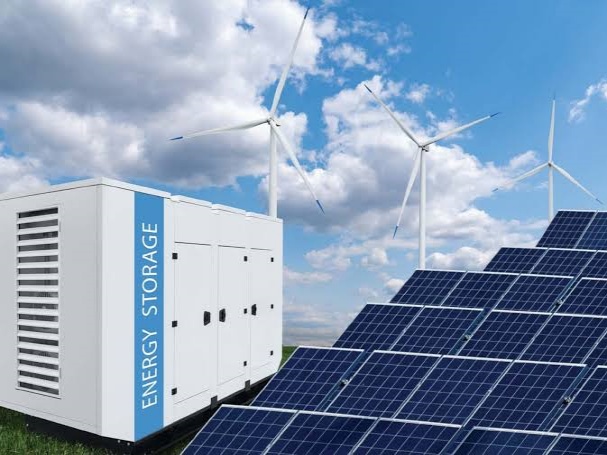
Energy storage systems act as a flexible “energy buffer”. They store excess renewable power during high-generation periods and release electricity during low-generation or high-demand periods. Storage turns intermittent renewables into stable, schedulable, dispatchable clean power, allowing massive integration of PV and wind energy into modern power grids.
2.Reduces Energy Waste and Improves Renewable Utilization
Around the world, high penetration of solar and wind often leads to serious power curtailment. Excess green power cannot be fully consumed instantly, resulting in massive clean energy waste and low return on renewable investment.
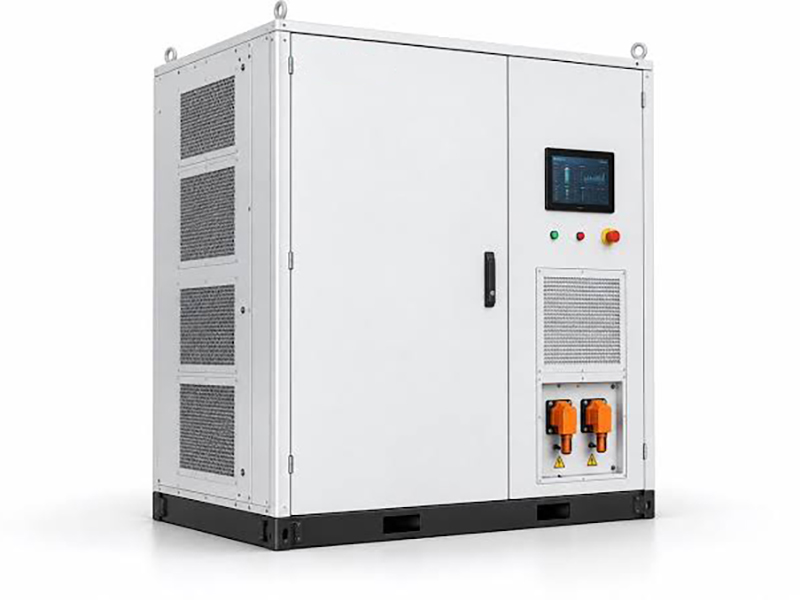
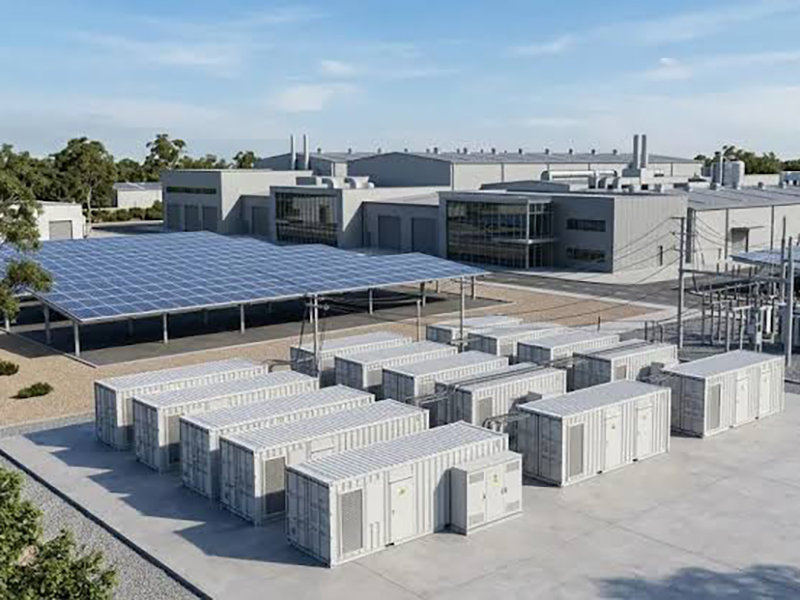
Energy storage effectively eliminates renewable abandonment. By capturing surplus electricity, BESS greatly increases on-site self-consumption and grid absorption rates. It maximizes the value of existing PV and wind assets and makes green energy projects more economically sustainable.
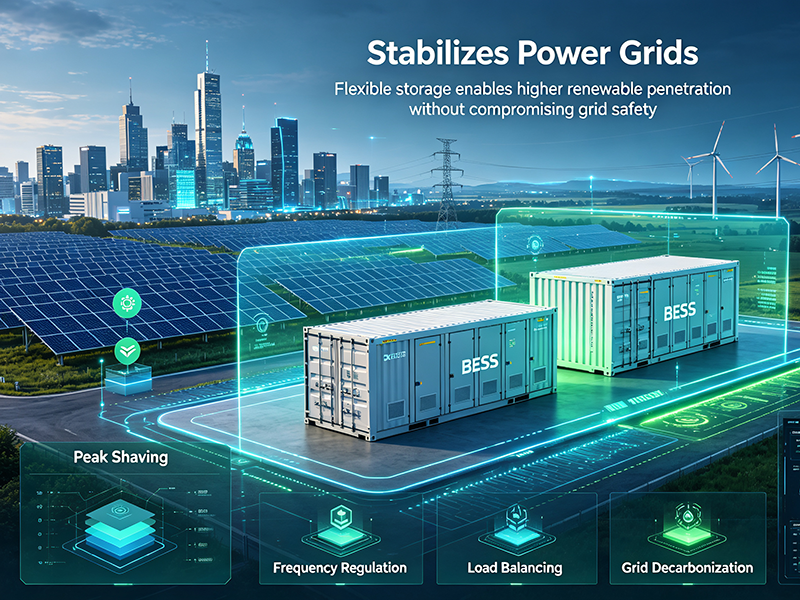
3. Stabilizes Power Grids and Accelerates Grid Decarbonization
Traditional power grids are designed based on stable fossil fuel generation. High shares of renewables introduce voltage fluctuation, frequency deviation and grid congestion risks, creating major challenges for grid safety.
Energy storage provides fast response frequency regulation, peak shaving and load balancing services. It smoothes renewable output and enhances grid flexibility without relying on fossil fuel peaker plants. In this way, storage enables grids to accept far more clean energy and accelerates overall grid decarbonization.
4. Enhances Energy Independence and Energy Security
Fossil fuel reliance leads to high energy import costs, price volatility and geopolitical energy risks. A green transition supported by distributed energy storage allows households, factories and regions to build independent microgrids powered by local renewables.
Energy storage reduces dependence on traditional grid power and imported fossil fuels, improving regional energy security, resisting market price shocks and building a more resilient energy system for long-term sustainable development.
5. Cuts Carbon Emissions and Accelerates Net-Zero Progress
The ultimate goal of green transition is to reduce carbon emissions and achieve global carbon neutrality. Without storage, many renewable resources cannot be fully utilized, and fossil power generation must remain operational to guarantee supply stability.
Energy storage completely changes this situation. It enables higher renewable penetration, reduces the startup frequency of thermal power units, and continuously replaces fossil power consumption. As the IEA confirmed, large-scale battery storage expansion is critical for achieving global climate goals by 2030 and beyond.
6. Lowers Energy Costs and Promotes Commercial Sustainability
Energy storage brings clear economic benefits to residential, commercial and industrial users. Through peak shaving, load shifting and peak-valley arbitrage, BESS effectively reduces high peak electricity fees and demand charges. For enterprises, storage shortens the ROI cycle of renewable projects and promotes long-term popularization of green energy.