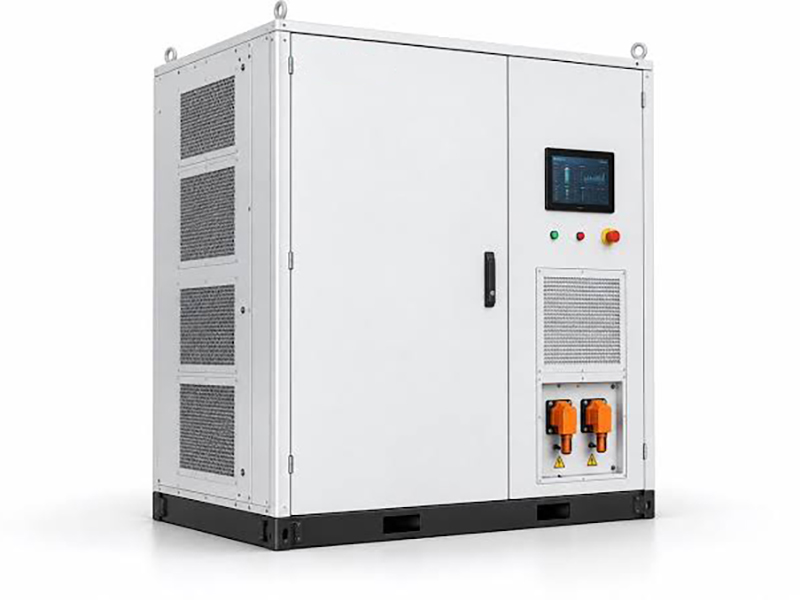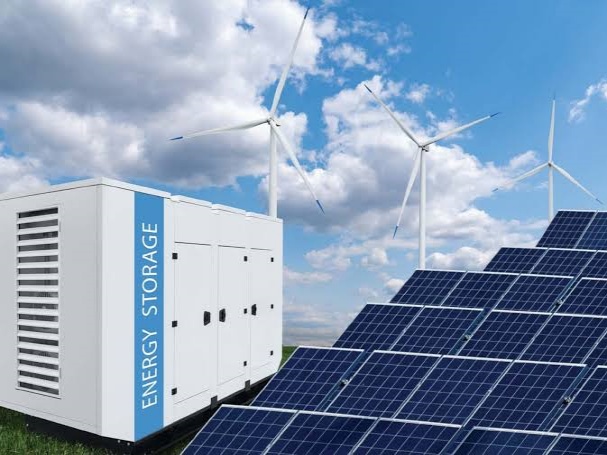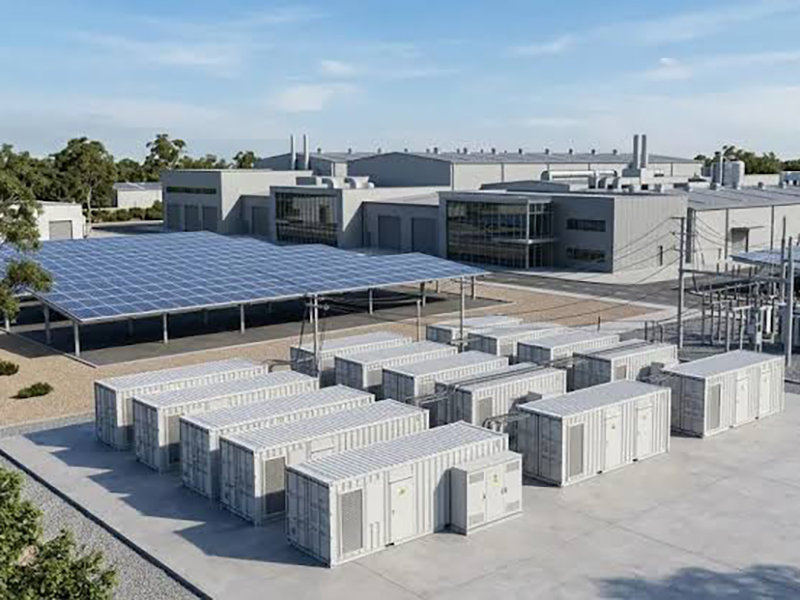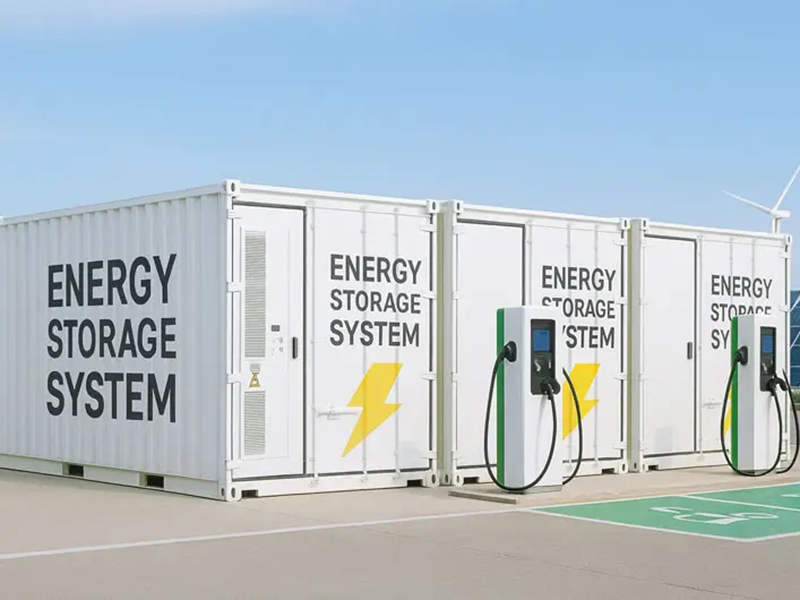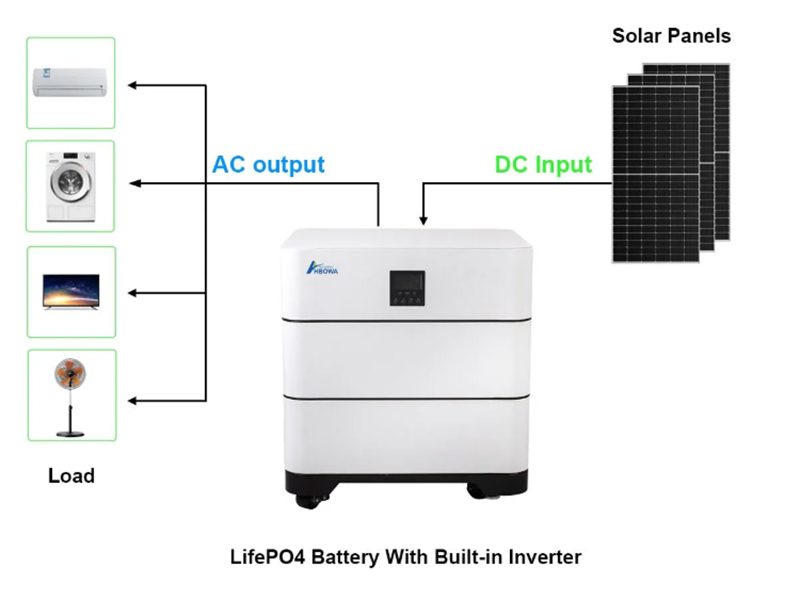
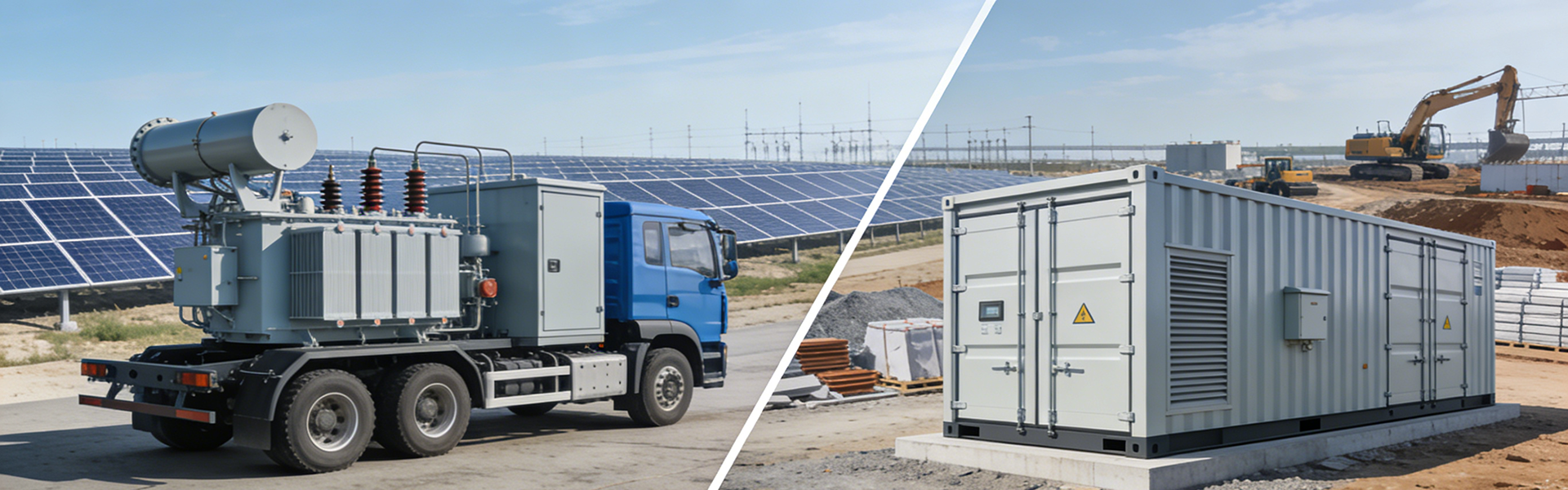
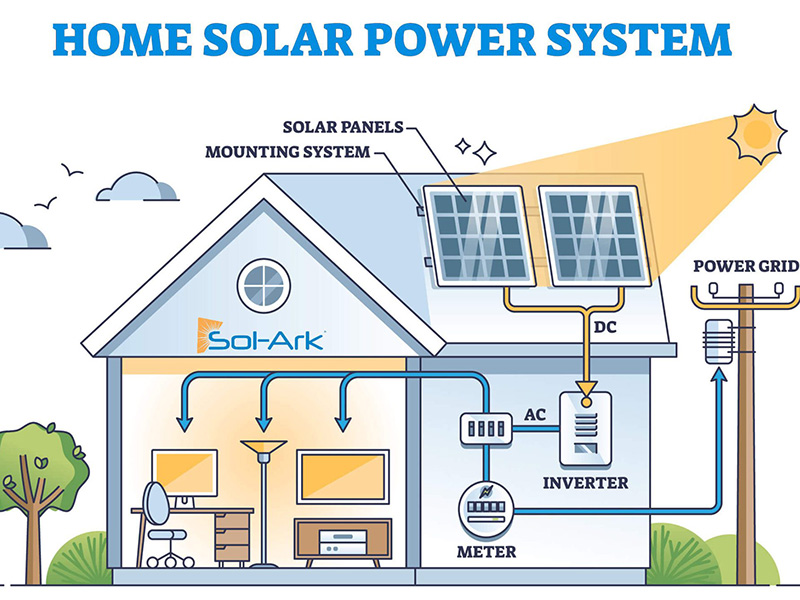
Solar panels (or photovoltaic/PV cells) generate energy by converting sunlight. Without energy storage, this energy typically needs to be fed into the local grid. Such a system configuration not only helps offset grid demand during peak usage periods but can also reduce—or even completely eliminate—energy bills.
Residential Battery Storage Systems
Energy storage technology makes it possible to use electricity after the sun goes down. Without storage, excess solar energy is either fed back into the grid or wasted. With a suitable solar storage system, this energy can be used at night, lowering high electricity costs and providing backup power during grid outages. Solar storage transforms solar energy from a daytime-only supplement into a round-the-clock power source. Think of solar panels as your "paycheck" and the battery storage system as your "savings account."
Why Efficient Energy Storage Matters
Energy efficiency determines how much usable energy actually reaches your home. A well-designed solar storage system minimizes waste, lowers utility bills, and improves reliability. Conversely, a system with improper capacity sizing can lead to energy losses due to unnecessary conversions or frequent charge-discharge cycles (short cycling), thereby increasing long-term costs (as noted in research by Denholm et al.).
If you plan to install a solar storage system yourself, be sure to use solar panel and battery capacity calculators to maximize efficiency. If you choose a trusted professional installer, discuss which hybrid inverter specifications (such as 12K-2P, 15K-2P, or 18K-2P) and battery quantities best suit your needs.
Choosing the Right Energy Storage System
Here is an answer that people often dislike hearing but engineers highly recommend: "It depends."
There is a good reason for this. There is no "one-size-fits-all" solution for energy storage systems, as every household has different energy usage patterns, applicable utility rates, and priorities. Your home solar system must be tailored to your specific needs and goals. Otherwise, you might end up with a system that appears powerful and comprehensive but fails to deliver optimal performance in key areas—not to mention the likelihood of incurring unnecessary extra costs. Outlook for Solar Energy Storage Over the Next Decade: Solar energy storage technology is set to become more affordable and increasingly widespread in U.S. households. As is typical with the evolution of technology, costs tend to decrease as adoption grows. Utilities are increasingly relying on distributed energy resources (DERs) to support grid operations, placing a higher premium on flexible, efficiently managed storage systems. Technological advancements continue to drive progress in battery chemistry, energy management software, and grid integration. Next-generation systems are not only safer and more efficient but also easier to manage. As adoption rates rise, costs continue to fall.