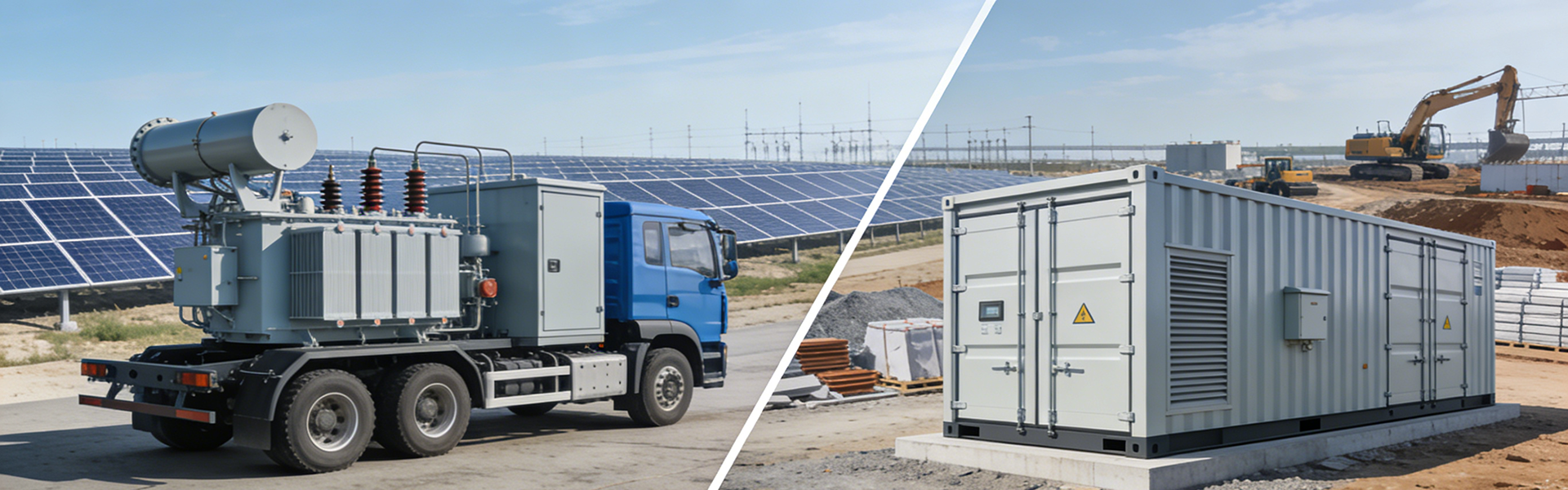
At times, power equipment requires flexibility to meet temporary application needs. For instance, construction sites or civil engineering projects often require the deployment of temporary power supply equipment. Deploying temporary or mobile substations offers significant advantages in scenarios with high power demands.
Mobile substations are designed for rapid deployment, enabling quick power restoration during outages or providing additional power support for remote construction projects utilizing heavy equipment. They serve as both temporary power sources and backup power during routine maintenance. These substations are particularly well-suited for emergency services, new construction projects, or temporary power requirements during maintenance work.
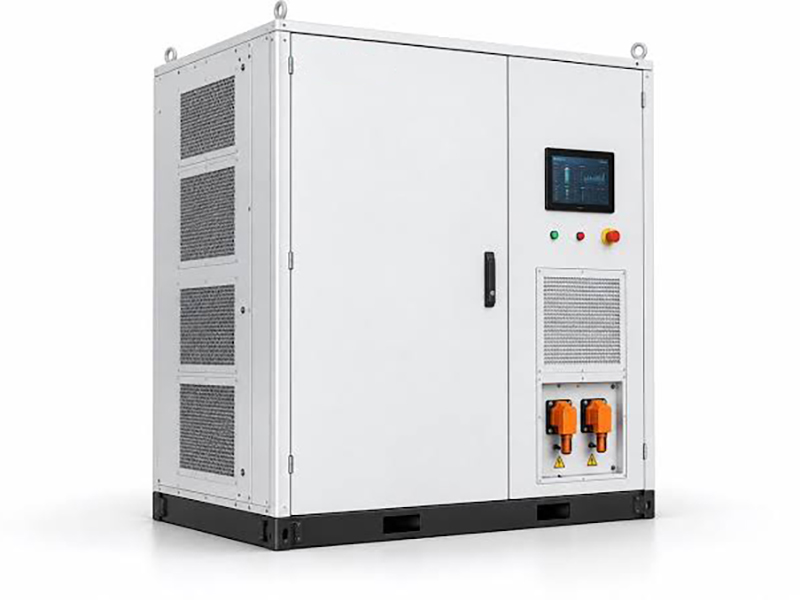
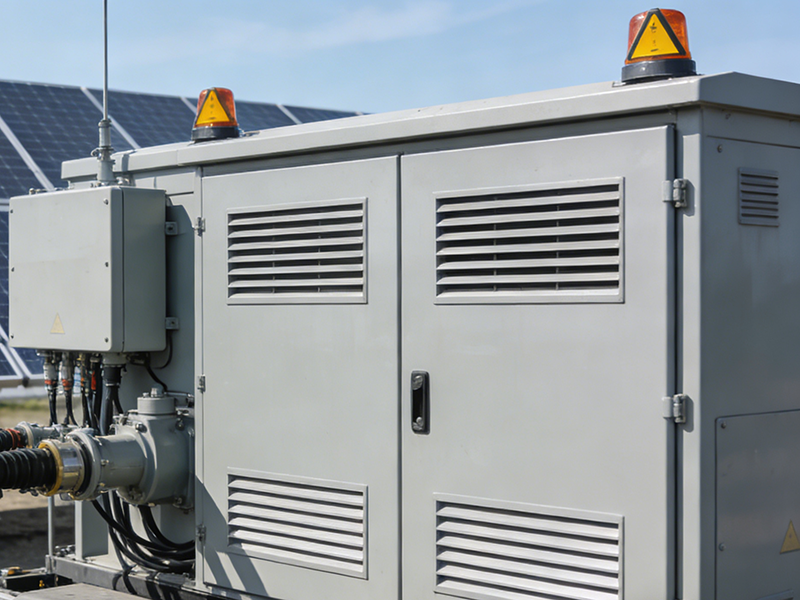
Mobile or portable substations are integrated power supply solutions that house transformers, cooling equipment, switchgear, metering devices, protection systems, auxiliary power supplies, and surge protection devices within a single unit, typically mounted on a transport trailer.
Portable substations usually arrive at the work site fully assembled on a trailer and are ready for immediate operation. While equipped with all necessary components for power delivery, they still require monitoring and maintenance. Installation and commissioning of such systems typically take only four hours.
Applications of Mobile Substations
A mobile substation is an integrated unit that can be transported to remote locations and quickly connected to the grid. They have a wide range of applications, including:
Providing power for construction sites, events, and other temporary needs
Supplying emergency power to areas affected by natural disasters or power outages
Powering remote areas not connected to the main grid
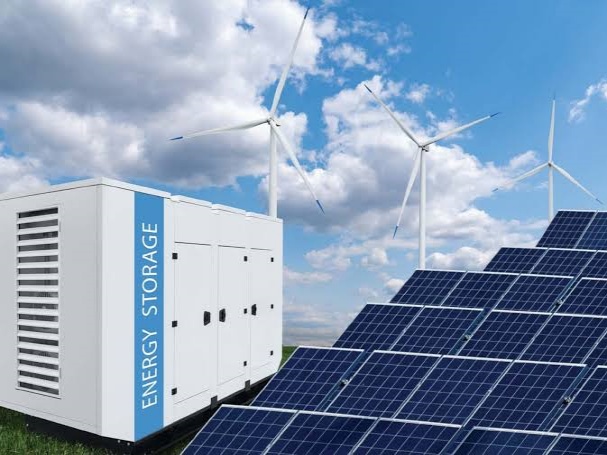
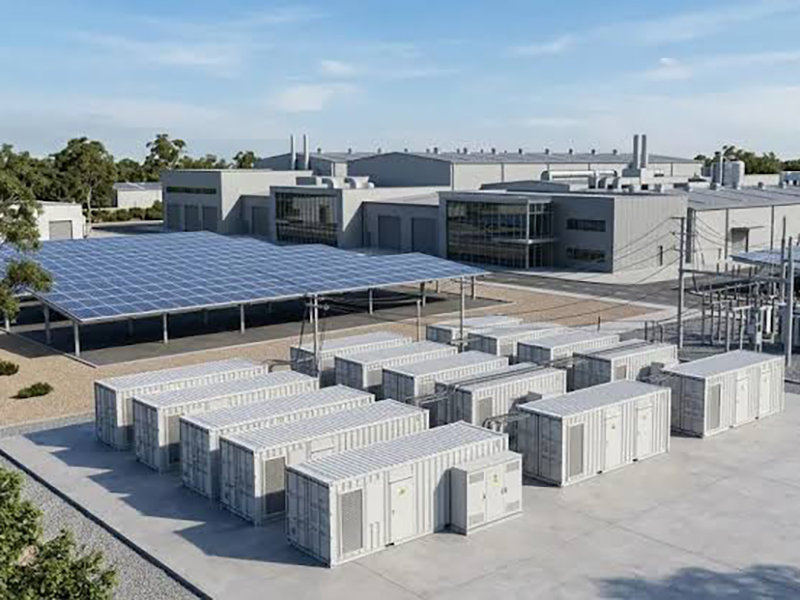
Integrating renewable energy sources, such as solar and wind power, into the grid
These substations consist of transformers, switchgear, and other electrical components. Transformers step down high-voltage grid power to low-voltage power suitable for homes and businesses, while switchgear protects electrical components and facilitates the connection between the substation and the grid.
To facilitate transport, mobile substations are typically mounted in containers or on trailers, allowing for transport by rail, road, or air. They can be installed and commissioned rapidly, often within just a few hours.
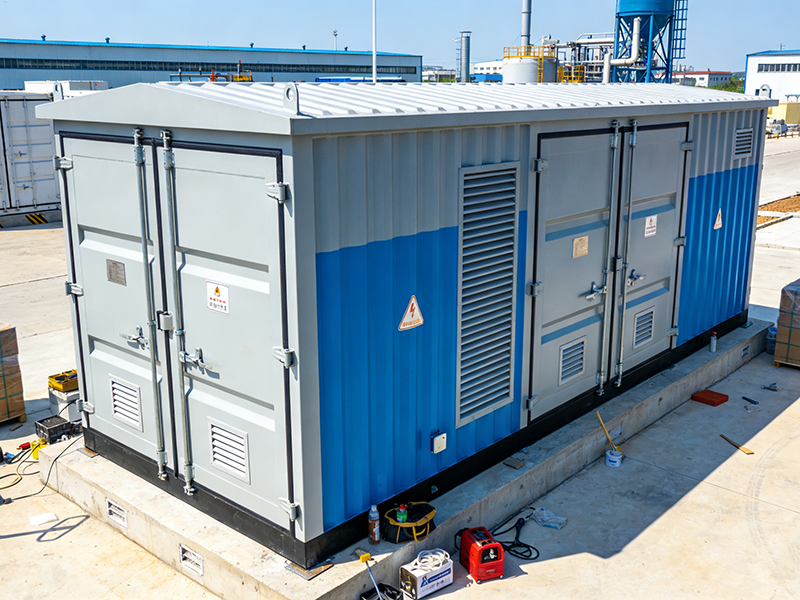
Mobile substations offer numerous advantages over traditional substations. They can be deployed quickly to meet changing demands and provide greater operational flexibility. In some cases, the cost is also lower than that of constructing a permanent substation. Mobile substations are highly valuable assets for utilities and businesses requiring reliable power in remote or hard-to-reach locations. Furthermore, they offer a cost-effective solution for integrating renewable energy into the power system.