Solar PV and energy storage systems generally fall into three categories: grid-tied, hybrid (or grid-tied hybrid), and off-grid. Each type has its own advantages and disadvantages; the choice depends on the customer's current energy supply situation and their intended use for the system.
Grid-Tied Systems
A grid-tied system is a basic solar setup that utilizes a standard grid-tie inverter without battery storage. It is an ideal choice for customers already connected to the utility grid who wish to add a solar system to their home. These systems often qualify for state and federal incentives, which help offset some of the installation costs. Grid-tied systems feature a simple design and are highly cost-effective due to the reduced number of components. Their primary goal is to lower energy bills and capitalize on solar incentive programs.
One drawback of this type of system is that it ceases operation during a power outage. This is a safety measure: utility workers repairing power lines must be assured that no electricity is being fed back into the grid. Grid-tie inverters automatically disconnect when they fail to detect a grid signal. Consequently, the system cannot provide power or store energy for later use during outages or emergencies. Furthermore, users lack control over when the generated power is consumed (such as during peak demand periods).
However, customers who install a basic grid-tied system can still add energy storage capabilities later. This can be achieved through an AC-coupled system, which links the existing grid-tie inverter with a battery backup inverter. This is an excellent solution for customers who want to install solar immediately to benefit from incentives but do not wish to invest in batteries right away.
Grid-Tied Systems with Battery Backup
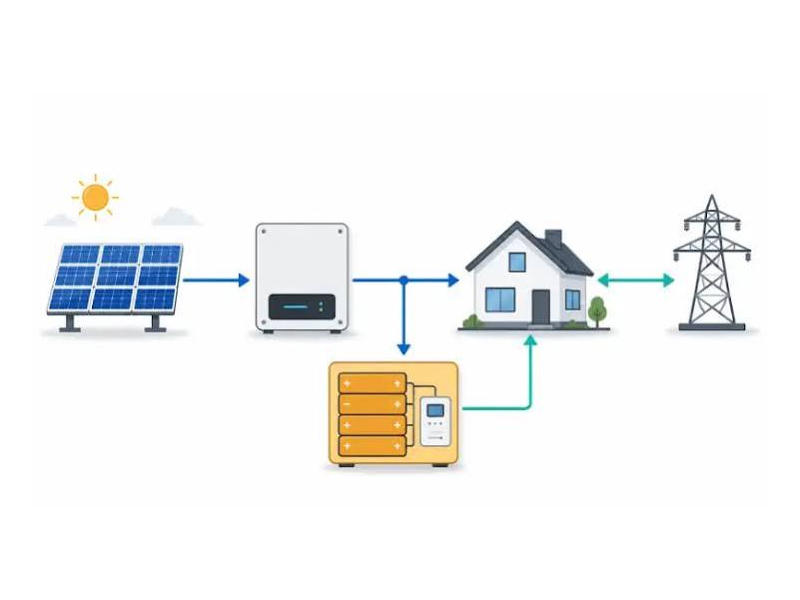
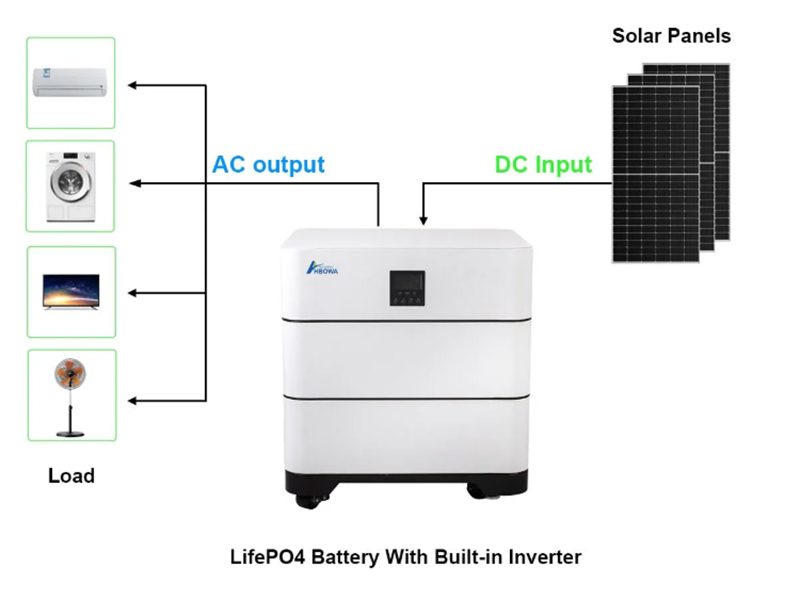
Another system type is the grid-tied system with battery backup, also known as a hybrid grid-tied system. This system is ideal for customers who are connected to the grid and specifically require battery backup capabilities. It is particularly suitable for customers living in areas prone to power outages or those who wish to be prepared for potential outages. This type of system offers a dual advantage: it allows you to remain connected to the grid—thereby qualifying for state and federal incentives and reducing electricity costs—while also providing backup power during outages. Such a grid-tied system with battery storage can supply power during blackouts and enables you to store energy for emergencies. When the grid goes down, the system can power critical loads, such as lighting and household appliances. Furthermore, because energy can be stored in the battery bank for later use, you can utilize this stored power during peak demand periods.
The downsides of this type of system include higher costs compared to basic grid-tied systems and relatively lower energy efficiency. Additionally, the system involves more components; the inclusion of batteries necessitates a charge controller for protection, as well as a sub-panel to connect the critical loads you wish to keep running during an outage.
Off-Grid Systems
Off-grid systems are ideal for users who lack access to the utility grid, whether due to remote locations or the prohibitive cost of grid connection. For those already connected to the grid, completely disconnecting in favor of an off-grid system is usually not cost-effective.
The advantages of off-grid systems include energy self-sufficiency and the ability to power remote areas far from the grid. Additionally, energy costs are fixed, eliminating the need for monthly utility bills. Another key feature is their modular design, allowing for capacity expansion as energy needs grow; you can start with an affordable, small-scale system and gradually add equipment later.
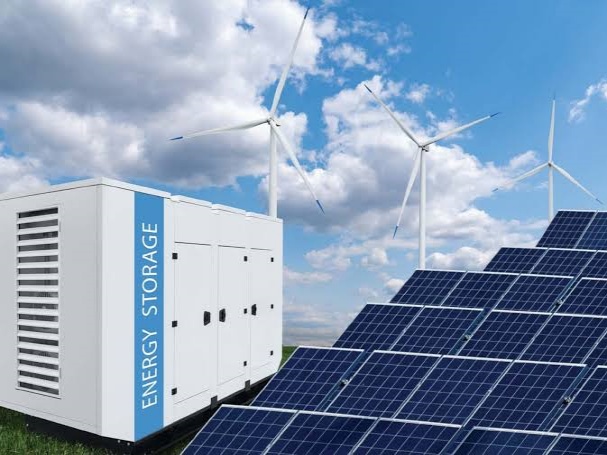
Since the system serves as the sole power source, many off-grid setups incorporate multiple charging methods, such as solar, wind, and generators. System design must carefully account for weather and year-round environmental conditions; for instance, if solar panels are covered by snow, alternative charging methods are required for the battery bank. It is also advisable to include a backup generator to ensure the batteries remain charged when renewable sources are insufficient.
One drawback of off-grid systems is that they may not qualify for certain subsidy programs. Furthermore, the system must be designed to handle 100% of the electrical load—ideally with some reserve capacity. Compared to standard grid-tied systems, off-grid systems involve more components and entail higher costs.