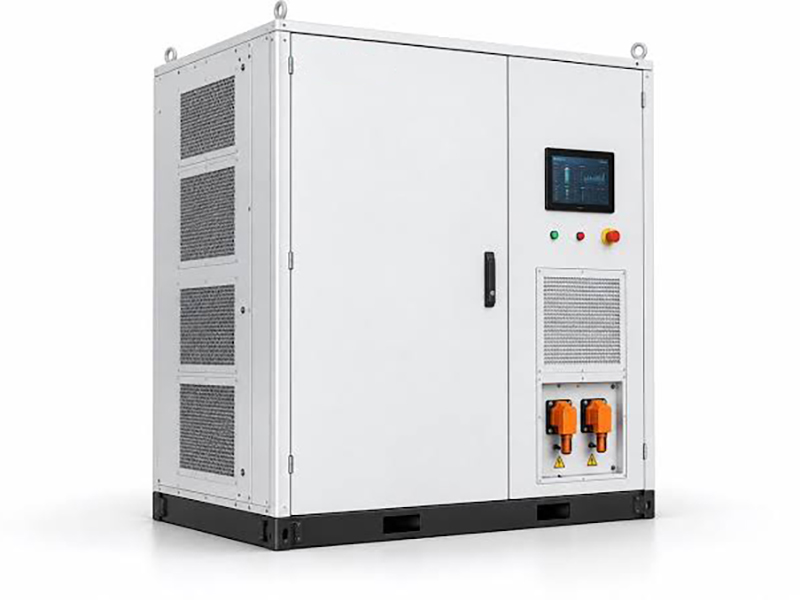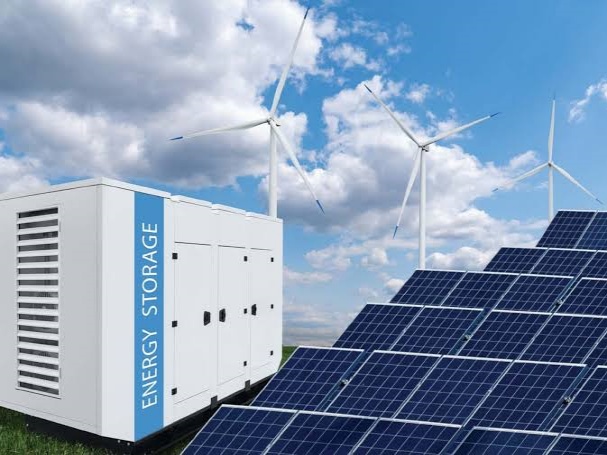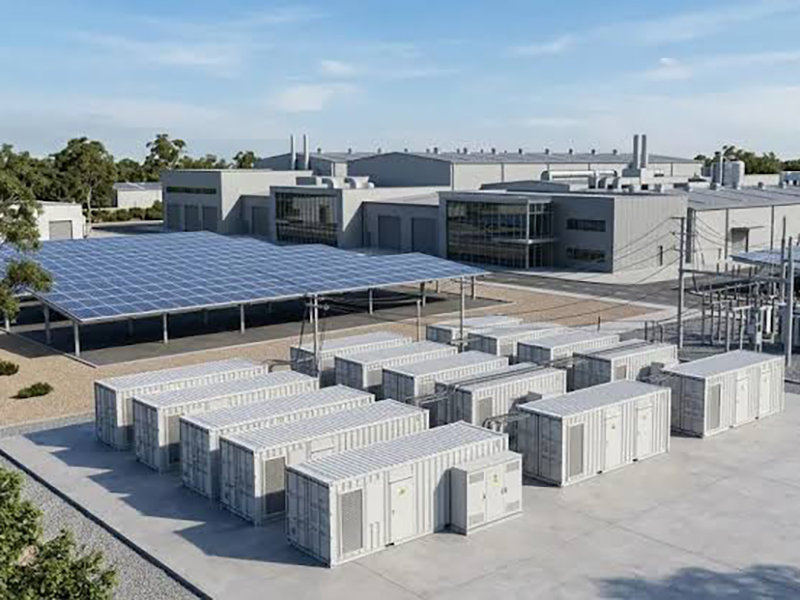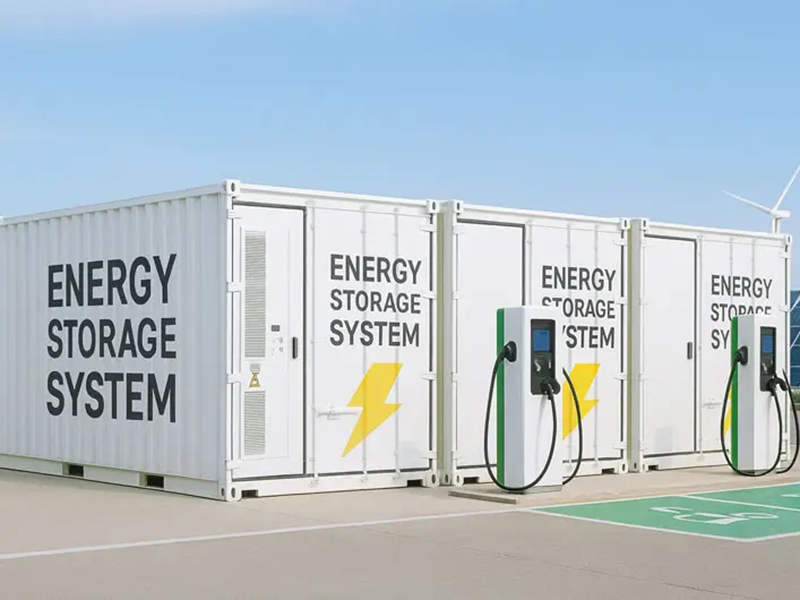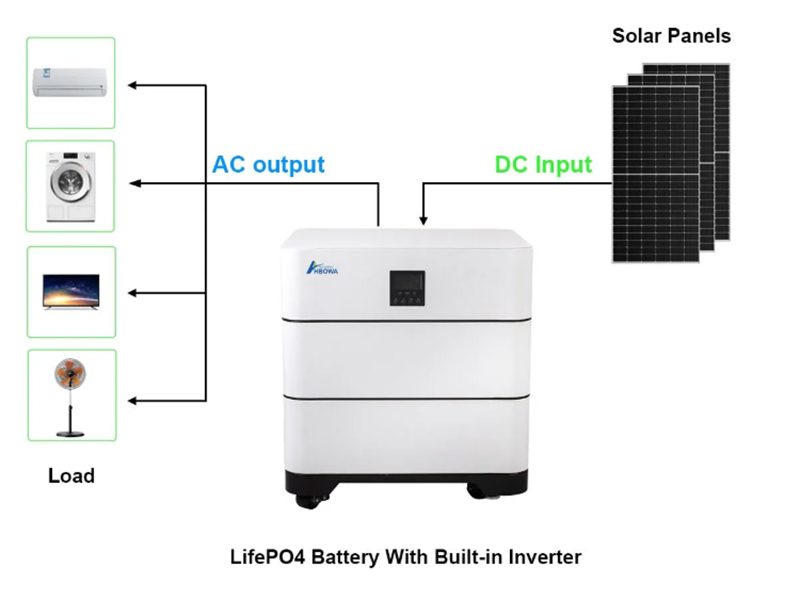
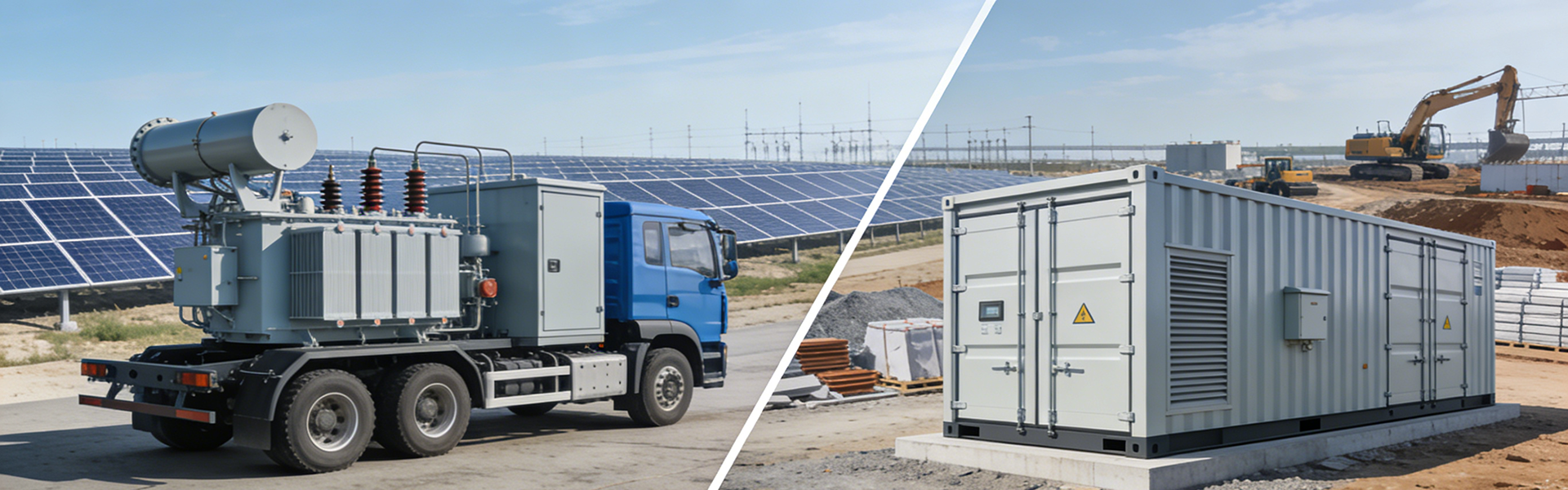
With the world placing increasing importance on energy issues, Energy Storage Systems (ESS) have become crucial for ensuring the efficient use of energy. These systems capture and store surplus electricity generated from various sources, guaranteeing a continuous and reliable power supply during periods of peak demand. This article explores the latest advancements in energy storage technology and highlights its growing significance within the current energy landscape.
Energy Storage Systems
Energy storage systems are devices or combinations of equipment designed to store energy for later use. They play a pivotal role in balancing energy supply and demand, maintaining grid stability, and integrating renewable sources such as solar and wind power. There is a wide variety of energy storage systems, each with unique characteristics and applications.
Types of Energy Storage Systems (ESS):
Battery Energy Storage Systems: Include lithium-ion batteries, solid-state batteries, and flow batteries.
Thermal Energy Storage: Stores energy in the form of heat.
Mechanical Energy Storage: Examples include pumped-hydro storage and compressed air energy storage.
Role in Renewable Energy Integration
Energy storage systems are essential for the seamless integration of renewable energy into the power grid. They mitigate the intermittency issues associated with renewable sources by storing surplus energy generated during peak production periods and releasing it when demand surges or generation falls short.
Latest Advancements in Energy Storage Technology:
1. Innovations in Battery Storage
Lithium-ion Batteries: Improvements are continuously being made to the efficiency, lifespan, and safety of lithium-ion batteries. They are currently the most widely used battery type in energy storage systems.
Solid-state Batteries: Offering higher energy density and superior safety compared to traditional lithium-ion batteries, solid-state batteries are viewed as the future of battery storage technology.
Flow Batteries: Highly suitable for long-duration storage, flow batteries store energy using liquid electrolytes; they are highly scalable and ideal for large-scale energy storage applications.
2. Alternative Energy Storage Solutions
Hydrogen Energy Storage: Storing energy in the form of hydrogen is a promising yet challenging solution. Hydrogen can be produced via water electrolysis and used in fuel cells to generate electricity.
Thermal Energy Storage: This method involves storing energy as heat and can be applied in various scenarios, including heating, cooling, and power generation. Compressed Air Energy Storage (CAES): By compressing air and storing it in large underground caverns, this method demonstrates immense potential for large-scale energy storage, particularly in grid applications.
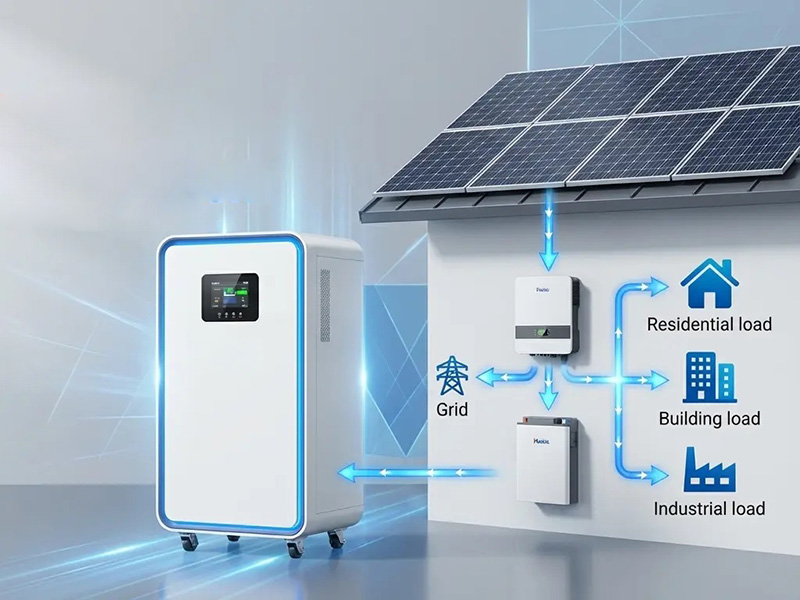
Impact of energy storage technology on the energy market:
1. Cost reduction and economic viability
Battery production costs continue to decline, enhancing the economic viability of energy storage systems. This cost reduction, combined with the economic benefits provided by Energy Storage Systems (ESS), is driving market growth. ESS can lower energy costs, improve grid reliability, and provide backup power—advantages that are fueling their widespread adoption.
2. Regulatory and policy developments
Government incentives and subsidies are crucial for promoting energy storage systems. Many countries have implemented policies to support the development and deployment of these systems. Such regulations are reshaping the future of energy storage technology, establishing it as an integral part of global energy infrastructure.
Upcoming technological innovations:
Emerging technologies—such as advanced solid-state batteries, next-generation flow batteries, and novel hydrogen storage techniques—promise to revolutionize the energy storage industry. These innovations will significantly enhance the efficiency, capacity, and safety of energy storage systems.
The role of Artificial Intelligence (AI) and big data in energy storage
AI and big data play a pivotal role in optimizing energy storage management. AI can forecast energy usage trends, thereby guiding the efficient utilization of storage systems. Furthermore, AI-driven maintenance management can extend the lifespan and improve the performance of energy storage systems by detecting issues early.
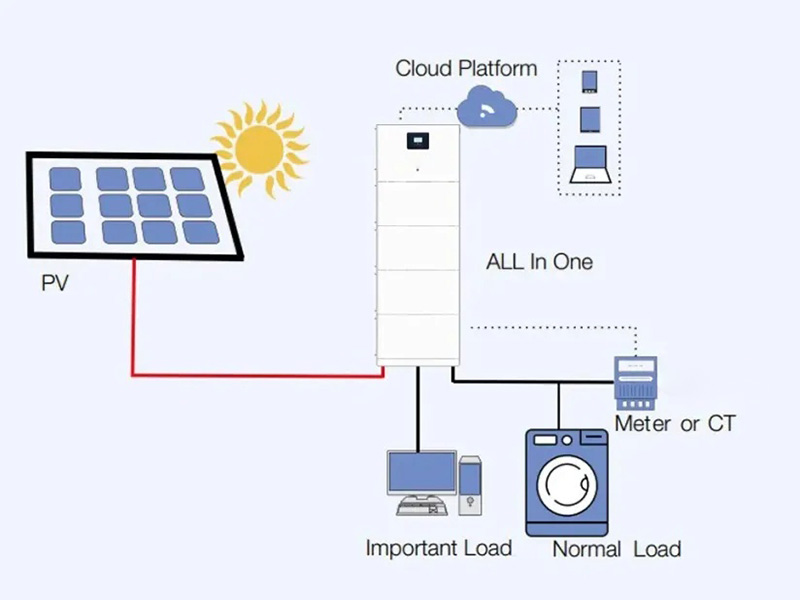
In summary, energy storage systems are vital to the future development of the energy sector. Advances in battery storage solutions and technological innovations are driving the expansion and upgrading of these systems. With falling costs and supportive policies, these systems will play a key role in shaping the future energy landscape.